
Key Takeaways
- Battery Breakthroughs: Silicon-carbon anodes are finally mainstream, allowing 6000mAh batteries in standard-sized phones.
- Wearables 2.0: The “Smart Ring” war is heating up, with health tracking moving from the wrist to the finger.
- Energy Hardware: Smart home tech is pivoting from “convenience” to “energy independence” with AI-managed storage.
- The Vibe: Hardware is no longer just a vessel for AI; it’s becoming a differentiator again.
For the last two years, the tech conversation has been dominated by one acronym: AI. But while software models were getting smarter, hardware was getting… boring. Phones looked the same, laptops looked the same, and “innovation” meant a slightly faster processor.
November 2025 marks a shift. We are seeing a resurgence of physical innovation. Manufacturers are realizing that to run advanced AI models on-device, they need better batteries, new form factors, and specialized sensors. The result? A wave of gadgets that feel genuinely new.
Background: The Stagnation and Rebirth
The Plateau (2023-2024)
During the peak of the generative AI boom, hardware took a backseat. Companies rushed to integrate chatbots into existing devices without changing the physical design. Sales slowed as consumers held onto their “good enough” devices for 3-4 years.
The Hardware Renaissance (Late 2025)
Now, the bottleneck for AI isn’t the model—it’s the battery life and thermal management. This has forced a “hardware-first” approach. If you want a phone that runs Gemini 3 locally all day, you need a fundamental change in battery chemistry.
Understanding the Trends
1. The Battery Revolution: Silicon-Carbon Anodes
The biggest story this month isn’t a processor; it’s a battery. Flagship Android phones launching this November are sporting 6000mAh to 6500mAh batteries without increasing thickness.
- How It Works: Replacing graphite anodes with silicon-carbon allows for much higher energy density.
- Why It Matters: “All-day battery life” is finally real, even with power-hungry AI agents running in the background.
2. Wearables: The Ring is King
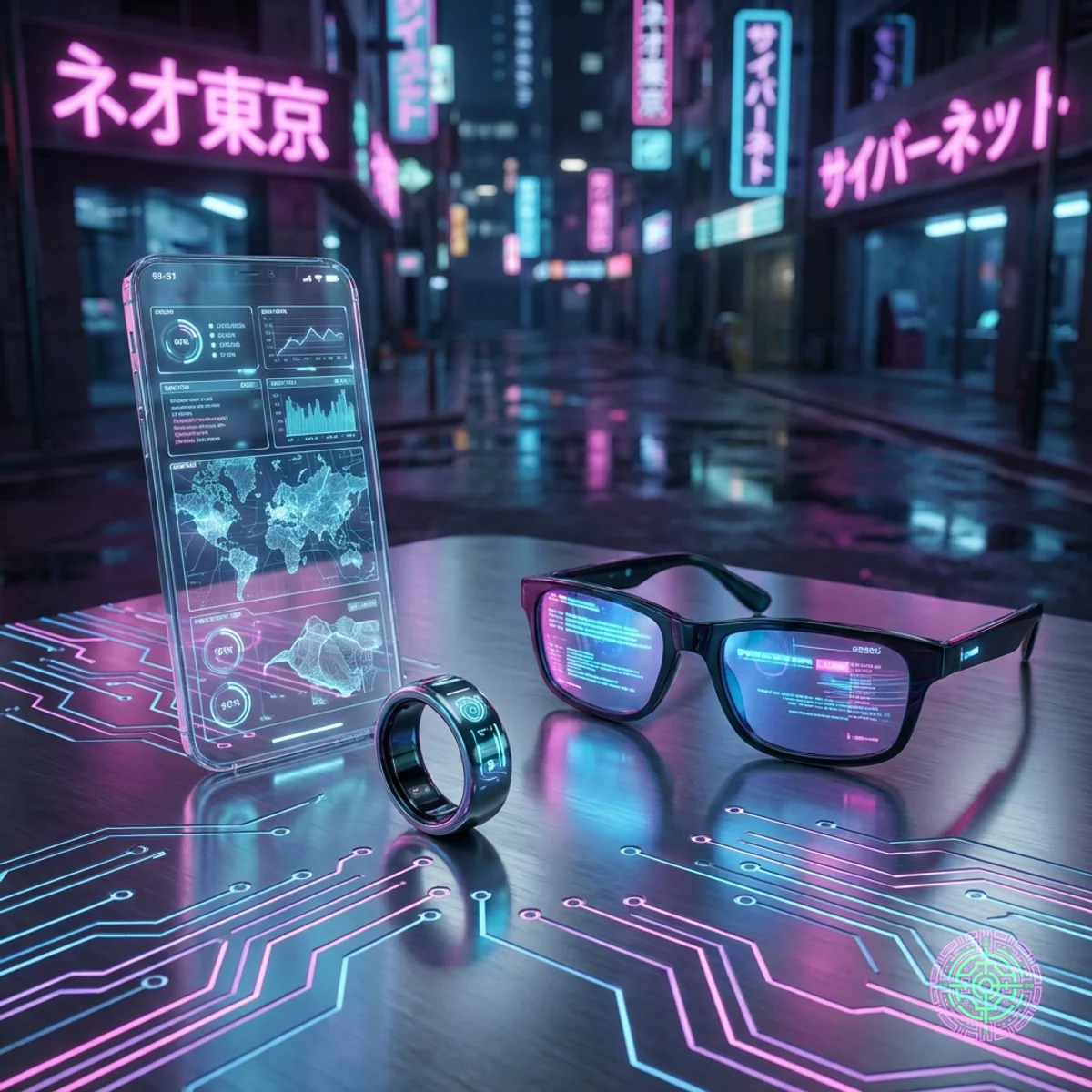
Smartwatches aren’t going away, but they are being unbundled. The smart ring category has exploded, with major players (Samsung, Oura, and now Apple rumors) vying for dominance.
- The Shift: Consumers want continuous health tracking (sleep, HRV) without wearing a bulky screen to bed.
- New Tech: This month’s releases feature “invisible” sensors that can track blood pressure and hydration levels from the finger.
3. Smart Home: The Energy Manager
The “Smart Home” is no longer about turning on lights with your voice. It’s about managing your energy bill.
- The Driver: Rising energy costs and grid instability.
- The Tech: New “AI Energy Hubs” that physically connect to your breaker box, solar panels, and EV charger to automatically arbitrage electricity rates. It’s hardware that pays for itself.
The Data
Consumer Interest Shifts (Nov 2025)
- +40% search volume for “battery life” vs “camera quality” in smartphone reviews.
- +150% year-over-year sales growth for smart rings.
- 70% of new smart home device purchases are energy-related (thermostats, plugs, monitors).
Source: TechInsights, Brandwatch
Industry Impact
Impact on Mobile
The “thin vs. battery” debate is over. You can now have both. This puts immense pressure on manufacturers who haven’t adopted silicon-carbon tech. If your 2026 flagship has a 4500mAh battery, it’s dead on arrival.
Impact on Health
The miniaturization of sensors means “medical-grade” data is becoming a consumer commodity. This is blurring the line between a “gadget” and a “medical device,” inviting new scrutiny from regulators like the FDA.
Challenges & Limitations
- Cost: These new components (Si/C batteries, miniaturized sensors) are expensive. Expect flagship prices to creep up.
- Repairability: Denser, more integrated hardware is notoriously hard to fix. The “Right to Repair” movement will face new battles.
- E-Waste: A surge in new hardware upgrades means a surge in discarded electronics.
What This Means for You
If you’re buying a phone:
- Wait. Unless you absolutely need one today, the new battery tech rolling out now is a generational leap. Don’t buy “old tech” lithium-ion batteries if you can avoid it.
If you’re into fitness:
- Consider a smart ring for sleep and recovery, and keep the watch for workouts. The form factor separation is the new standard.
The Bottom Line
Hardware is back. The “AI Everywhere” era demands physical devices that are powerful, long-lasting, and invisible. November 2025 proves that while software might be the mind of the future, hardware is still the body—and it just got a major upgrade.
🦋 Discussion on Bluesky
Discuss on Bluesky