
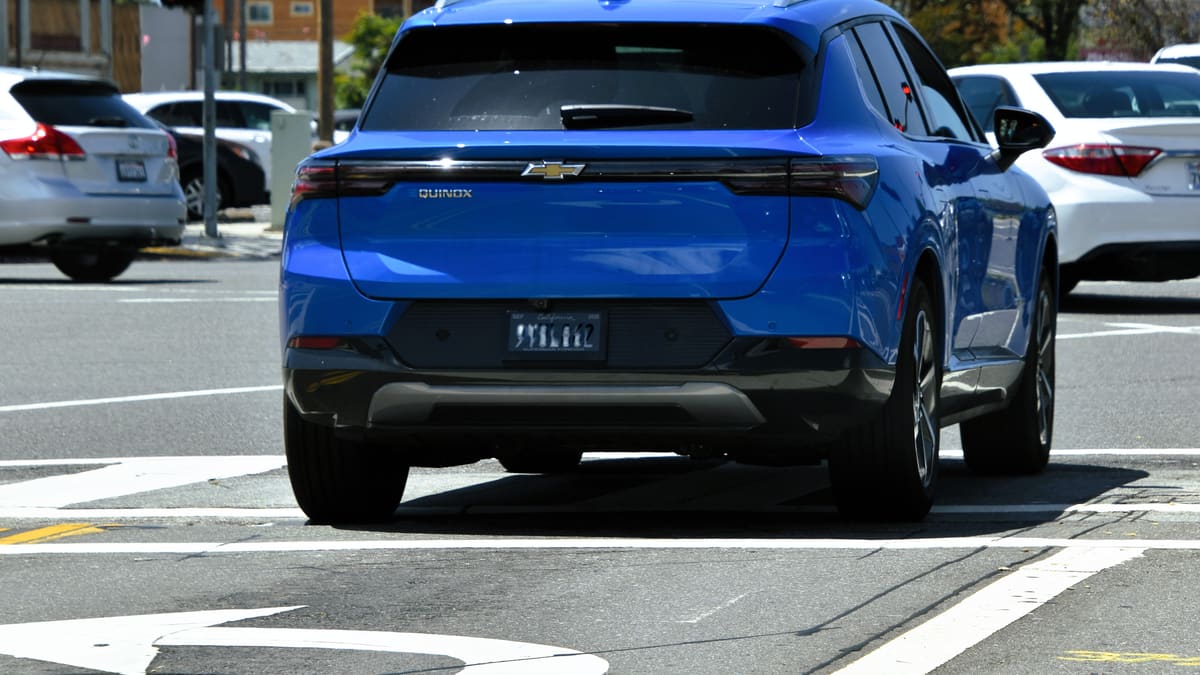
Chevrolet Equinox EV
The cheapest way to get 300+ miles of range in a new EV. Nothing else touches its range-per-dollar.
⚠ DC fast charging is mid-pack — road trips take a little patience.
🏆 Ranked in: The Best First EV for Beginners
verified specs · updated 2026-07 · no pay-to-rank
All 76 EVs our matchmaker scores, in one place — verified prices, EPA range, charging speed, and the cautions other buyer's guides leave out.
Nothing matches those filters — loosen one and try again.
The cheapest way to get 300+ miles of range in a new EV. Nothing else touches its range-per-dollar.
⚠ DC fast charging is mid-pack — road trips take a little patience.
🏆 Ranked in: The Best First EV for Beginners
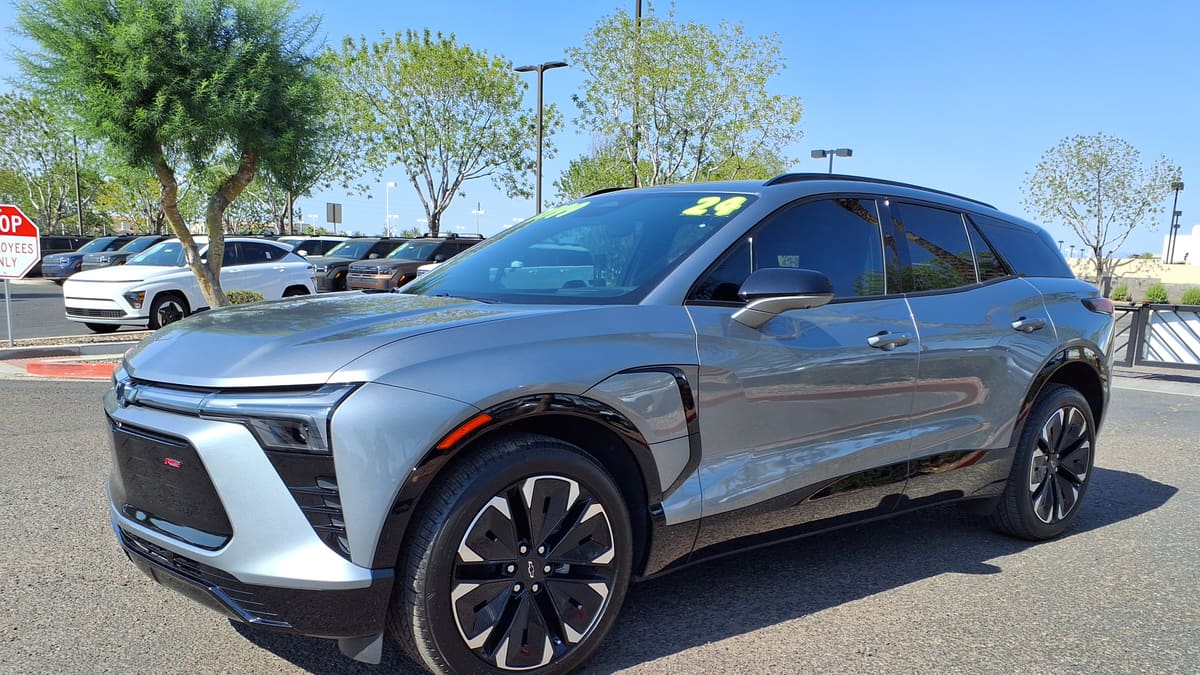
A roomier, sportier step up from the Equinox with more power and more attitude.
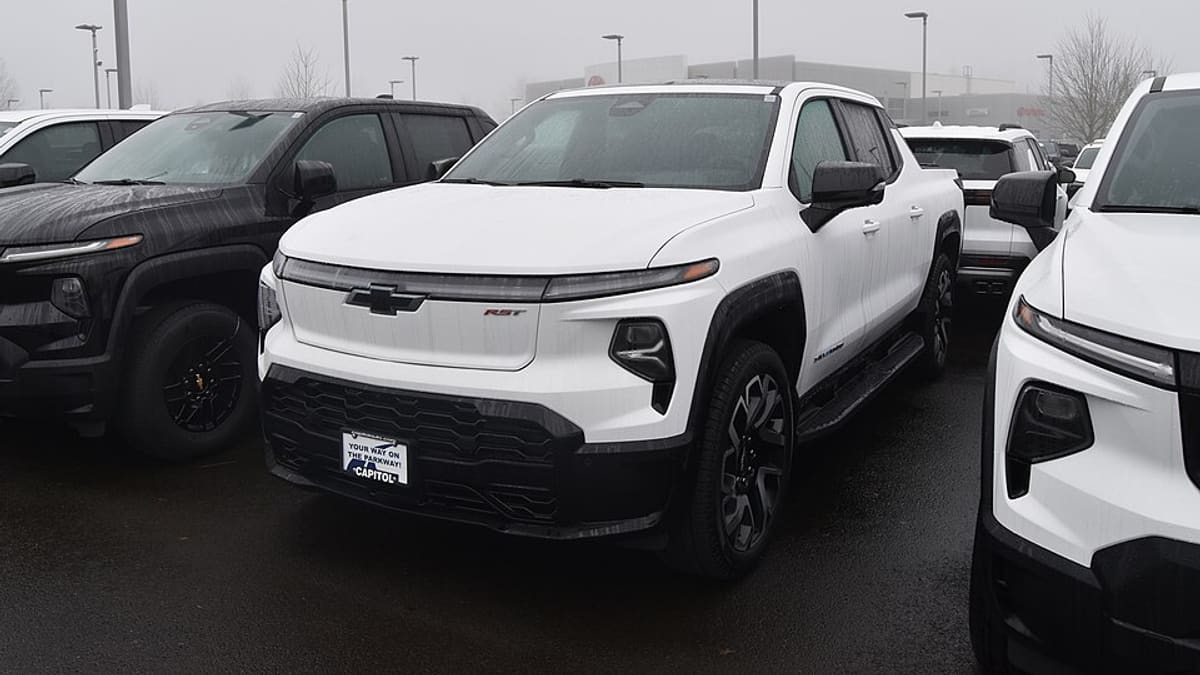
The range king among electric trucks — up to 493 miles — with 12,500 lbs of towing and 350 kW charging.
⚠ It is enormous. Measure your garage first.
🏆 Ranked in: The Best EVs for Towing · The Best EVs for Road Trips
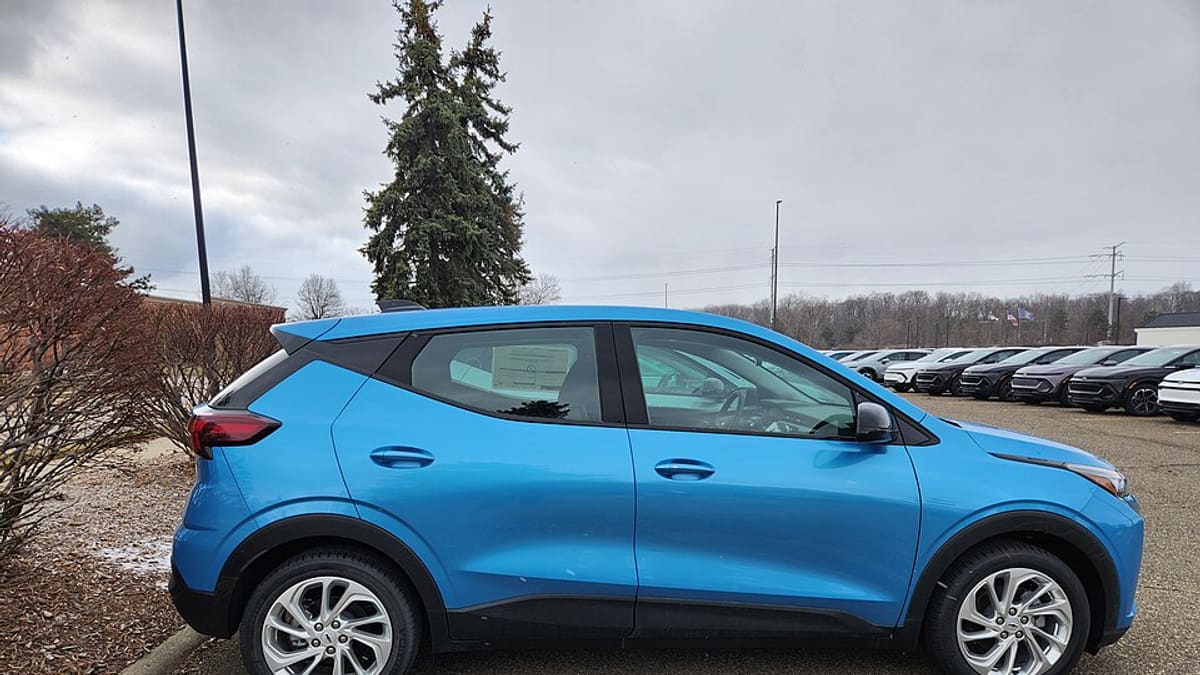
The budget champion returns with a native NACS port and fast charging its predecessor never had.
⚠ Sold as the 2027 Bolt; deliveries started in early 2026.
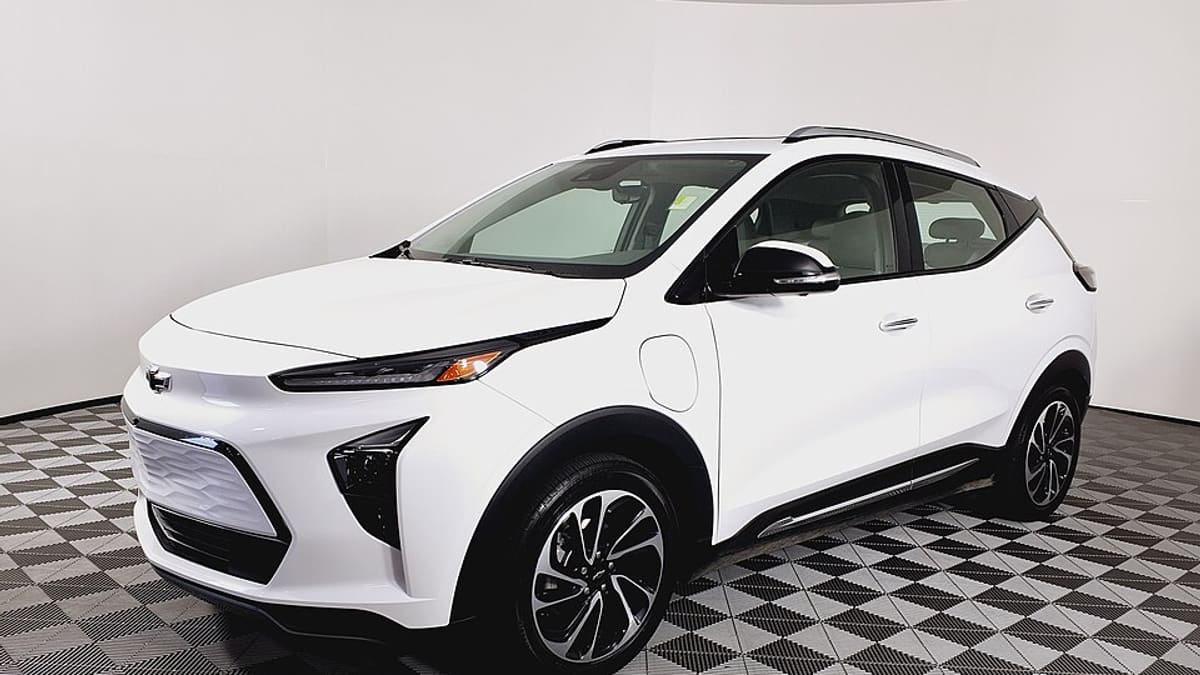
The used-market value king — a three-year-old EV at economy-car money. Ask whether yours got new battery modules under GM's recall; many only got monitoring software.
⚠ DC charging is glacial (~55 kW). This is a home-charging car, full stop.
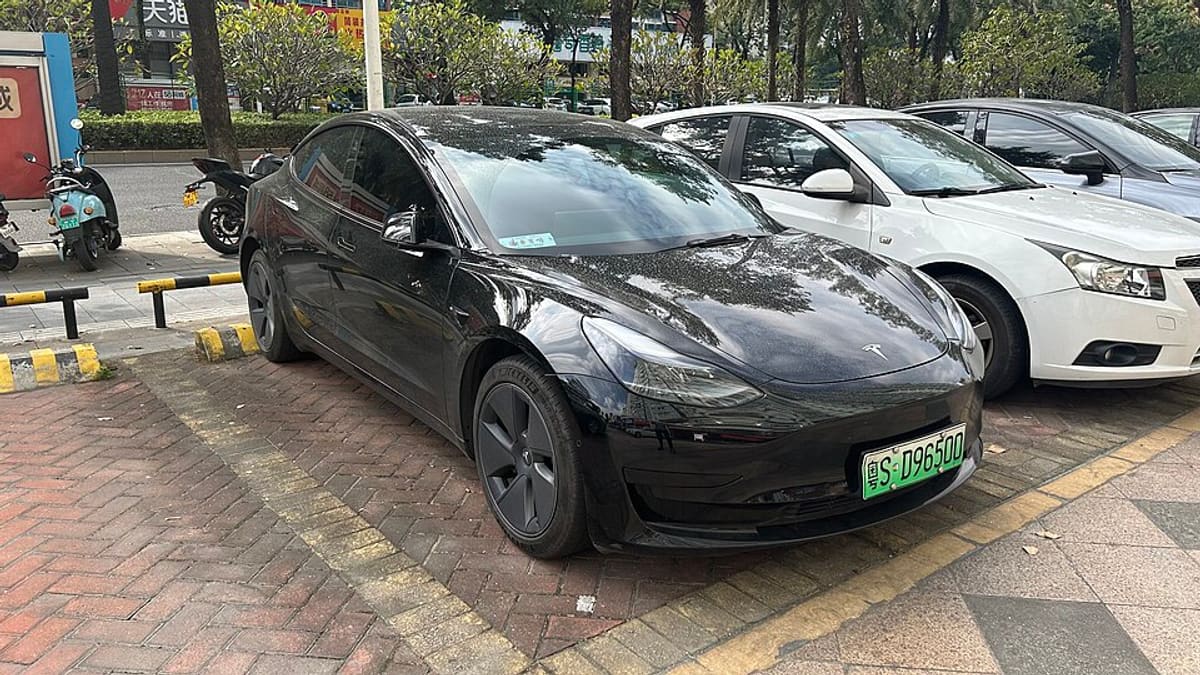
Still the benchmark for efficiency, and the Supercharger network makes road trips brainless.
🏆 Ranked in: The Best EVs Under $40,000 · The Best Used EVs to Buy · The Best EVs for Road Trips
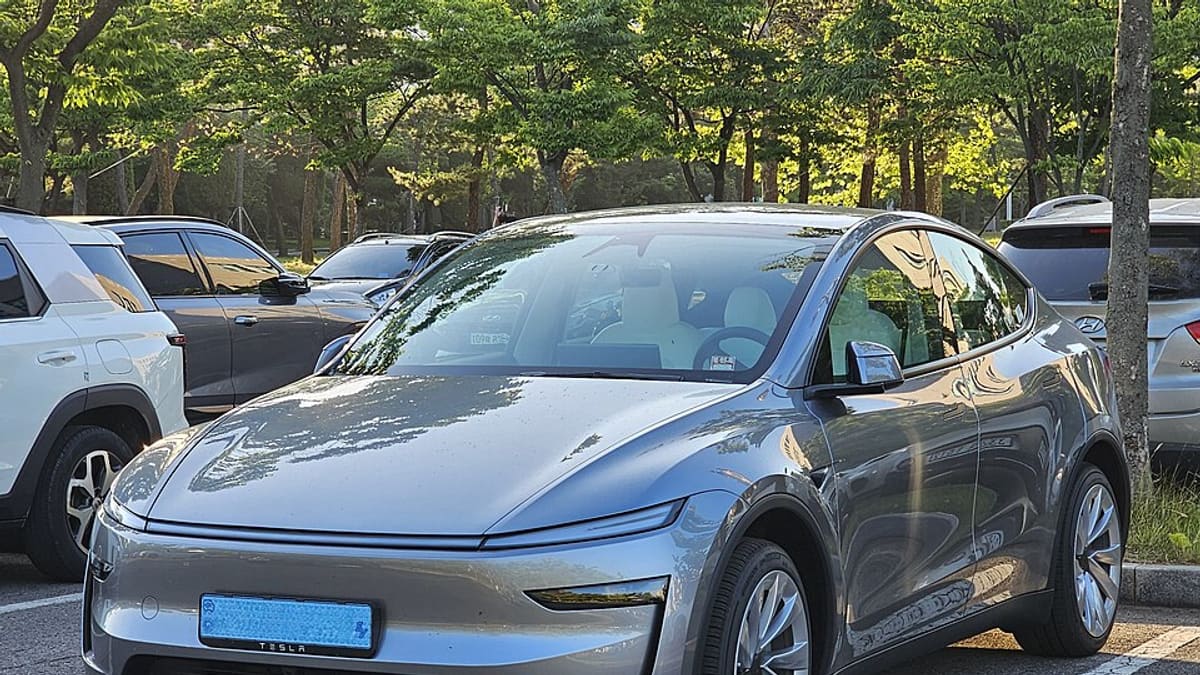
The world's best-selling EV for a reason: practical, efficient, and native to the best charging network.
🏆 Ranked in: The Best EVs for Apartment Dwellers · The Best EVs Under $40,000 · The Best Used EVs to Buy
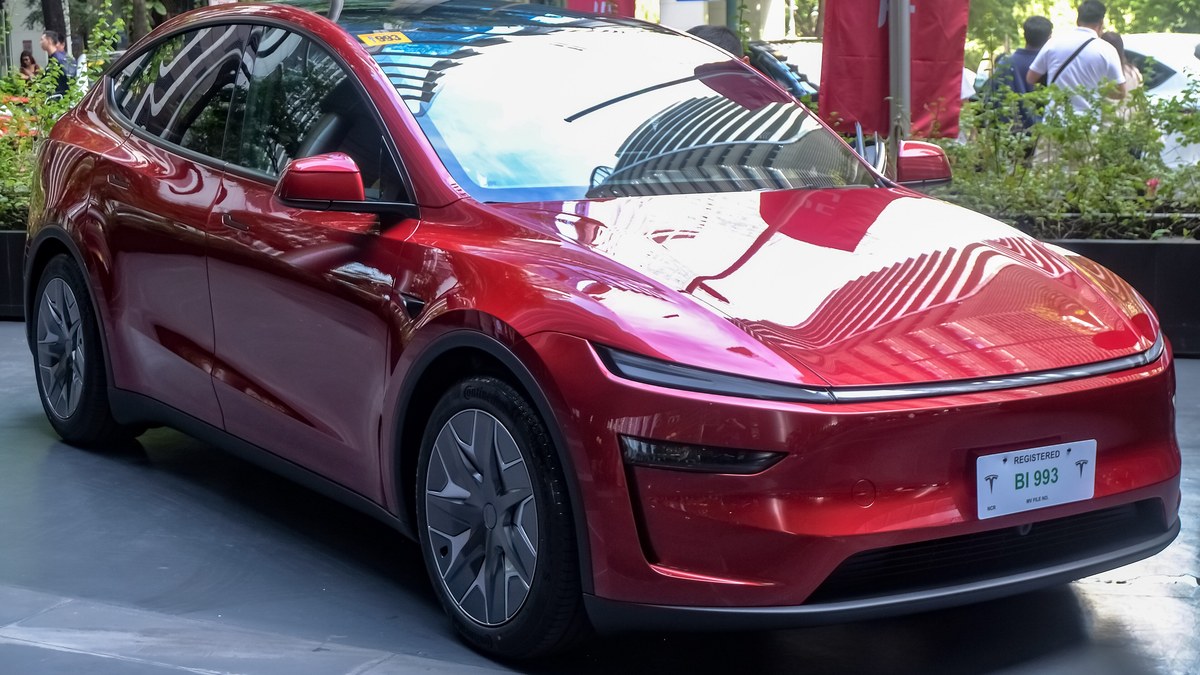
The six-seat Model Y: captain's chairs in the middle row and a third row Tesla's manual gives 31 inches of legroom, 5.2 more than the seven-seat Model Y.
⚠ Sold only as the $61,990 Launch Series so far, $22,000 more than the cheapest Model Y.
🏆 Ranked in: The Best 3-Row Electric SUVs for Families
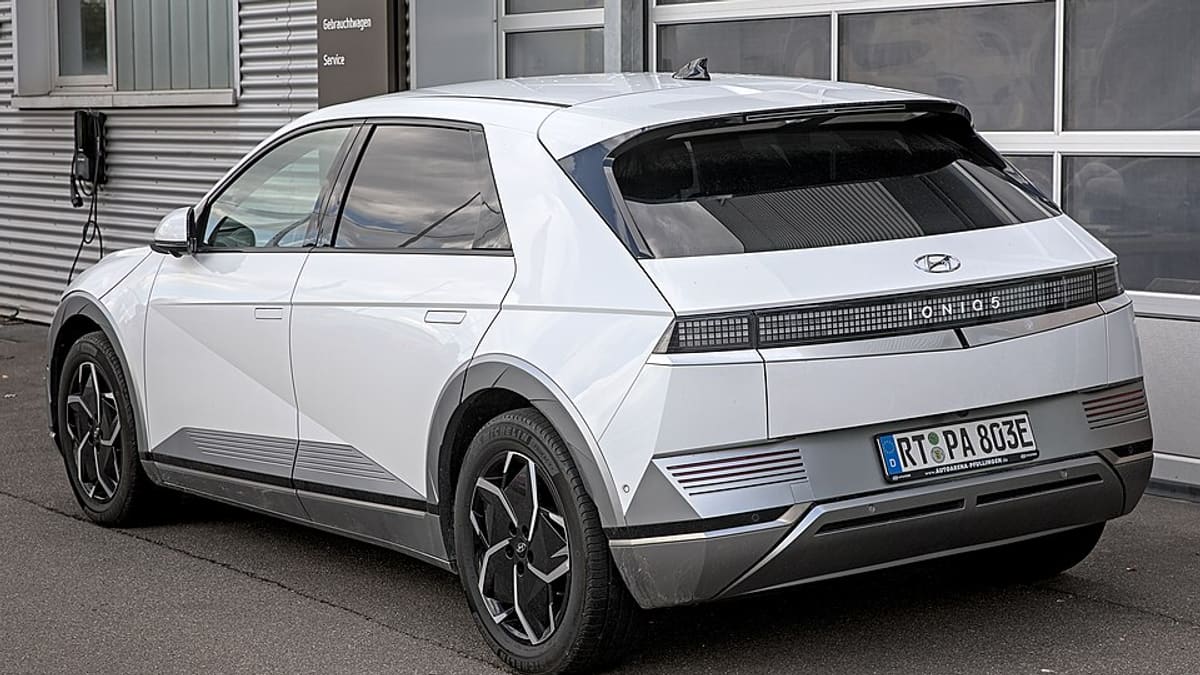
800-volt architecture means some of the fastest charging stops of any EV, in a design that still turns heads.
🏆 Ranked in: The Best EVs for Apartment Dwellers · The Best EVs Under $40,000 · The Best Used EVs to Buy
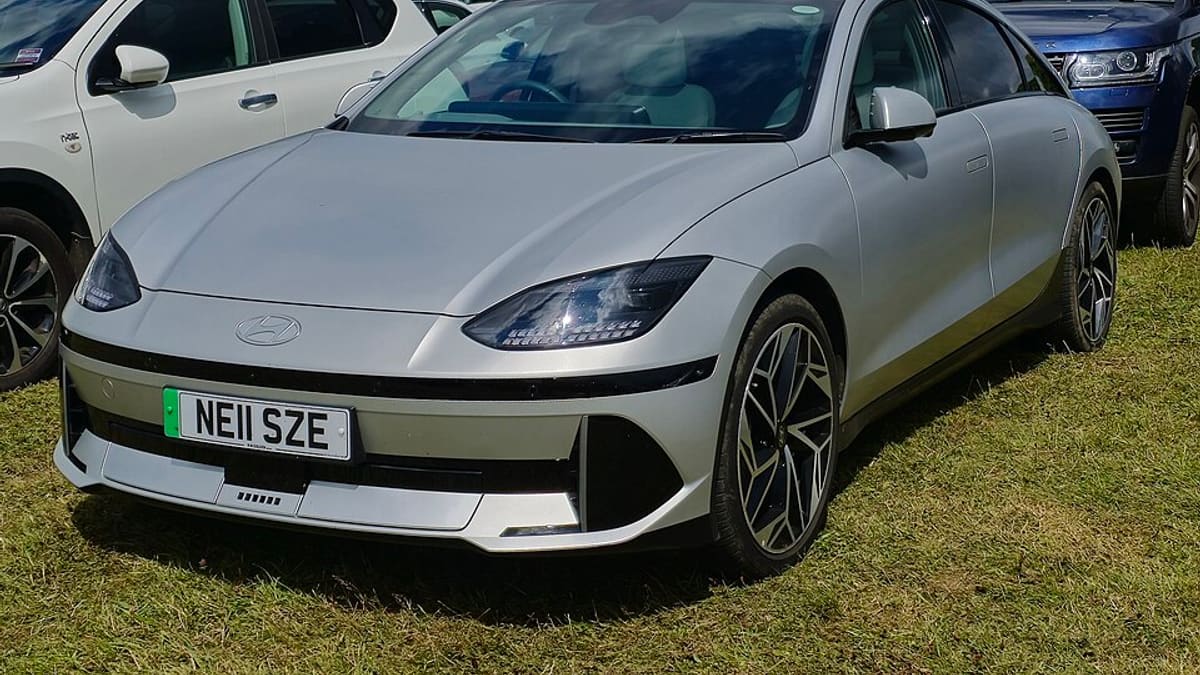
Slippery aero sedan that pairs big range with 18-minute charging stops. A road-trip sleeper hit.
⚠ Discontinued for 2026 — you’re shopping remaining 2025 stock (a limited Ioniq 6 N comes later).
🏆 Ranked in: The Best EVs Under $40,000 · The Best Used EVs to Buy
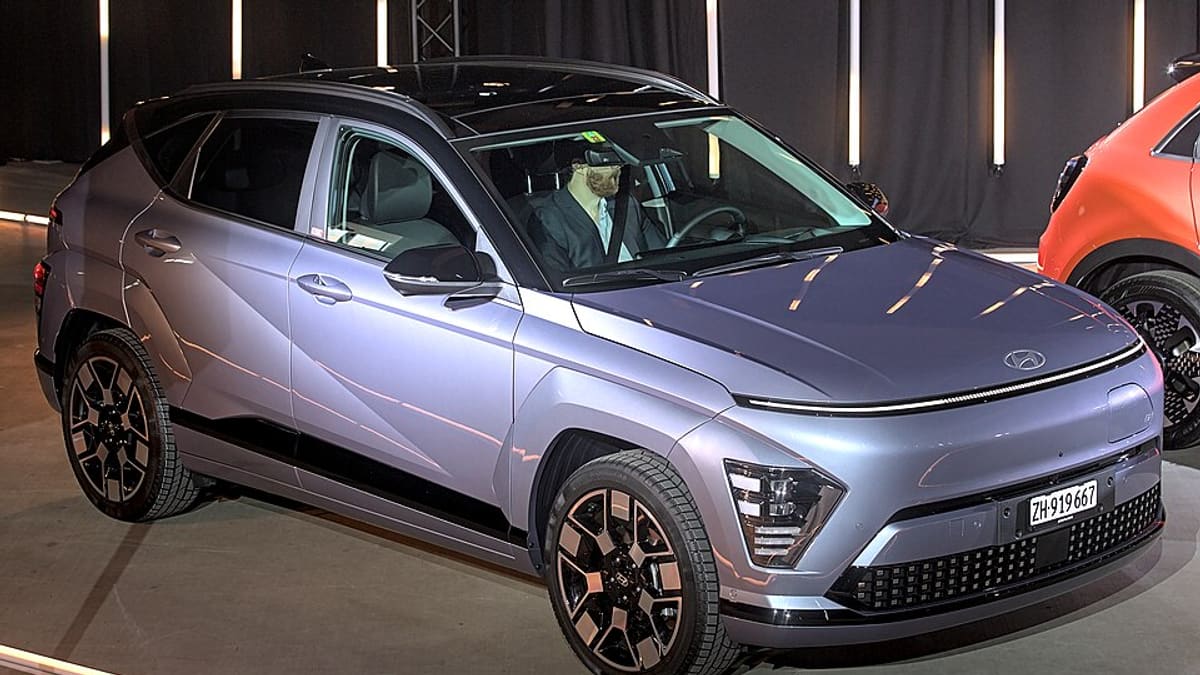
An easy, affordable city EV — but the 2026 lineup shrank to one 200-mile trim.
⚠ Hyundai skipped the 2026 model year in the US — you’re shopping remaining 2025 inventory.
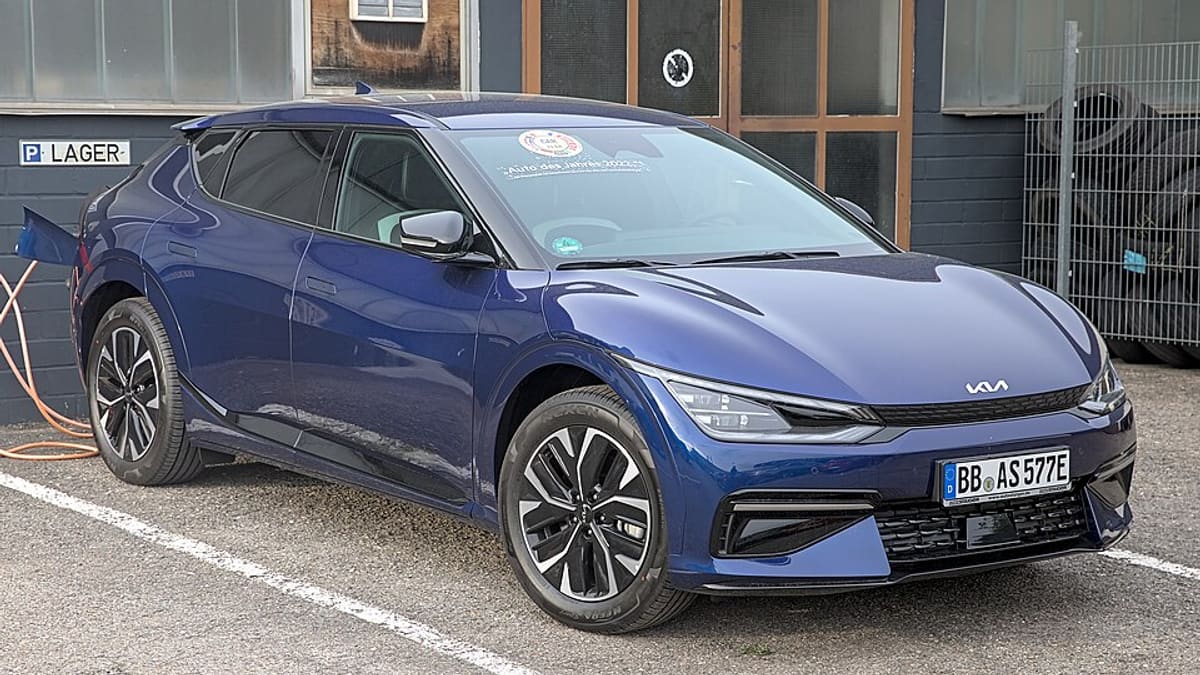
Same lightning-fast 800V charging as the Ioniq 5 in a sportier, lower-slung wrapper.
🏆 Ranked in: The Best EVs for Apartment Dwellers · The Best Used EVs to Buy · The Best First EV for Beginners
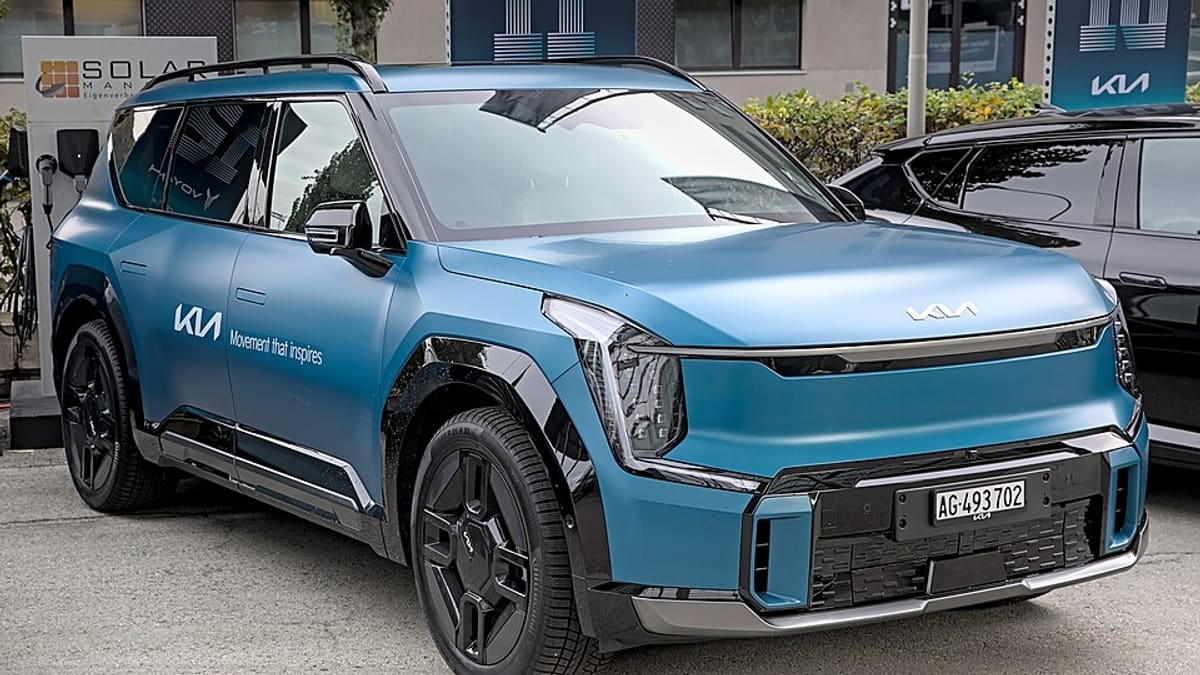
The three-row family EV that finally doesn't cost Rivian money. Real space, real towing, fast charging.
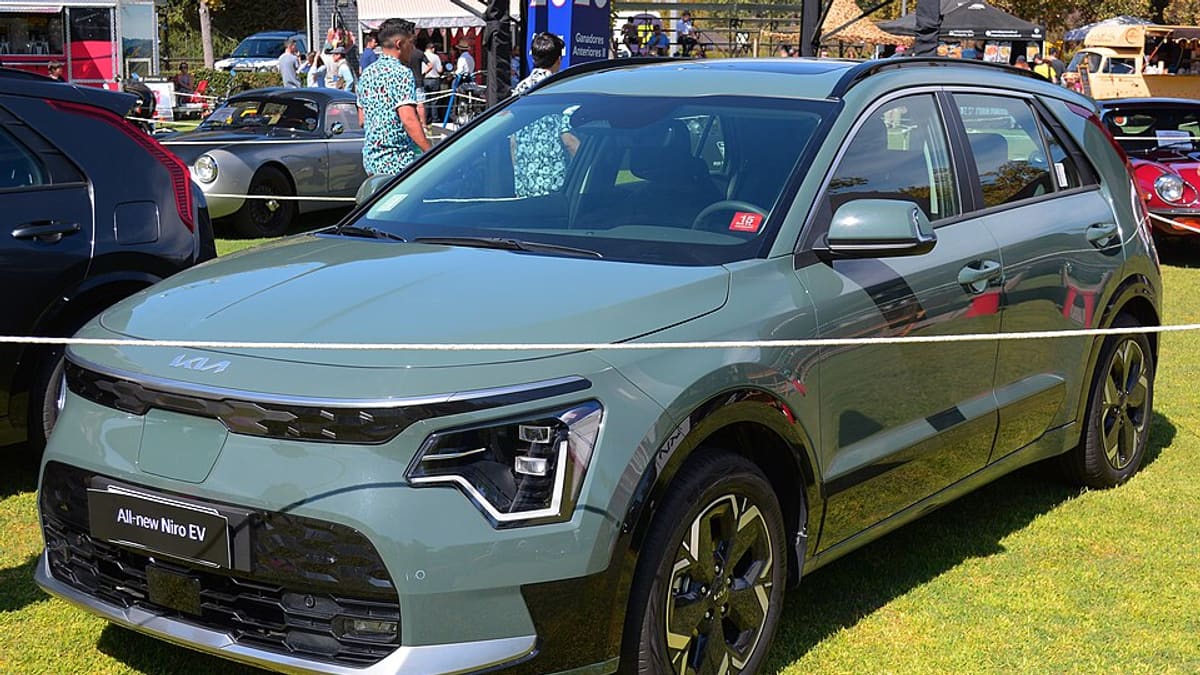
A sensible, comfortable commuter with hybrid-sibling reliability DNA.
⚠ Among the slowest DC charging of any current EV — home charging is near-mandatory.
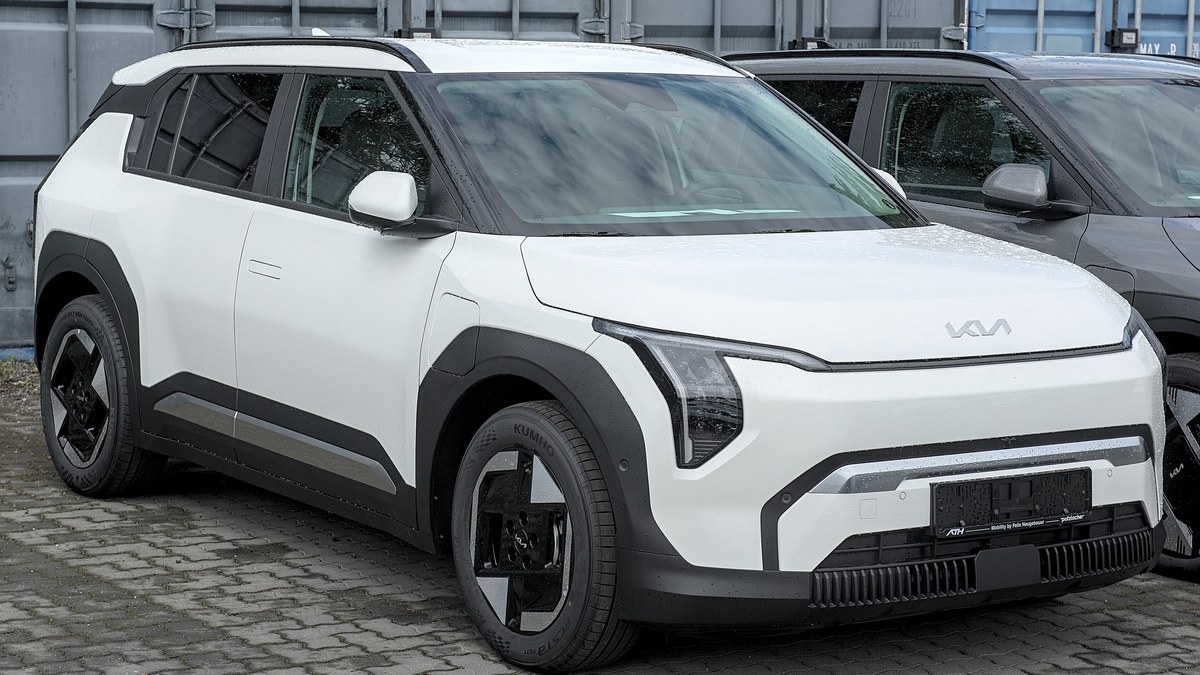
Kia's cheapest EV at $29,890, with up to 321 EPA miles on the long-range battery and a built-in NACS port.
⚠ The base Light trim's smaller battery is rated at 221 EPA miles, and Kia quotes about 31 minutes for a 10-80% fast charge on the long-range battery.
🏆 Ranked in: The Best EVs for Apartment Dwellers · The Best EVs Under $40,000
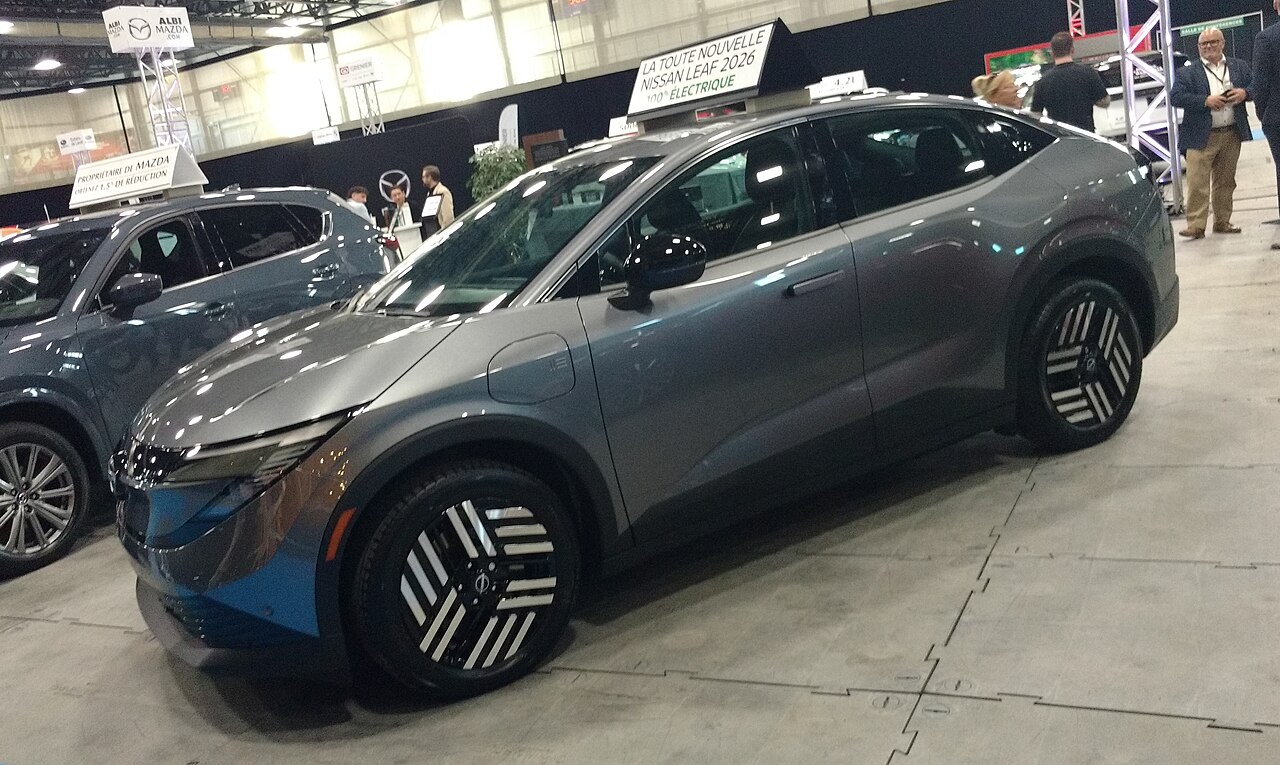
The OG affordable EV, reborn with 300+ miles of range and a native NACS port at a Corolla-adjacent price.
⚠ Brand-new generation — first-year build quality is unproven.
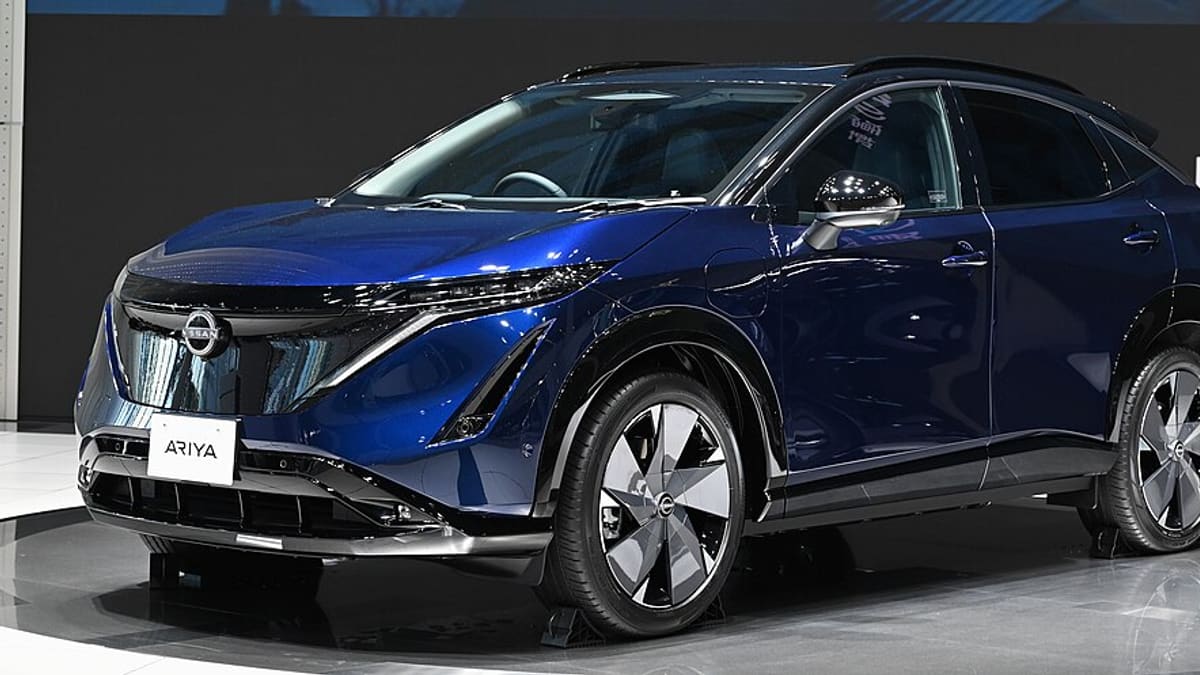
Nissan dropped the Ariya from the US for 2026, so depreciation cratered — a lounge-quiet cabin for deep-discount money.
⚠ Discontinued in the US after 2025. CCS port and middling charging speed — best with home charging.
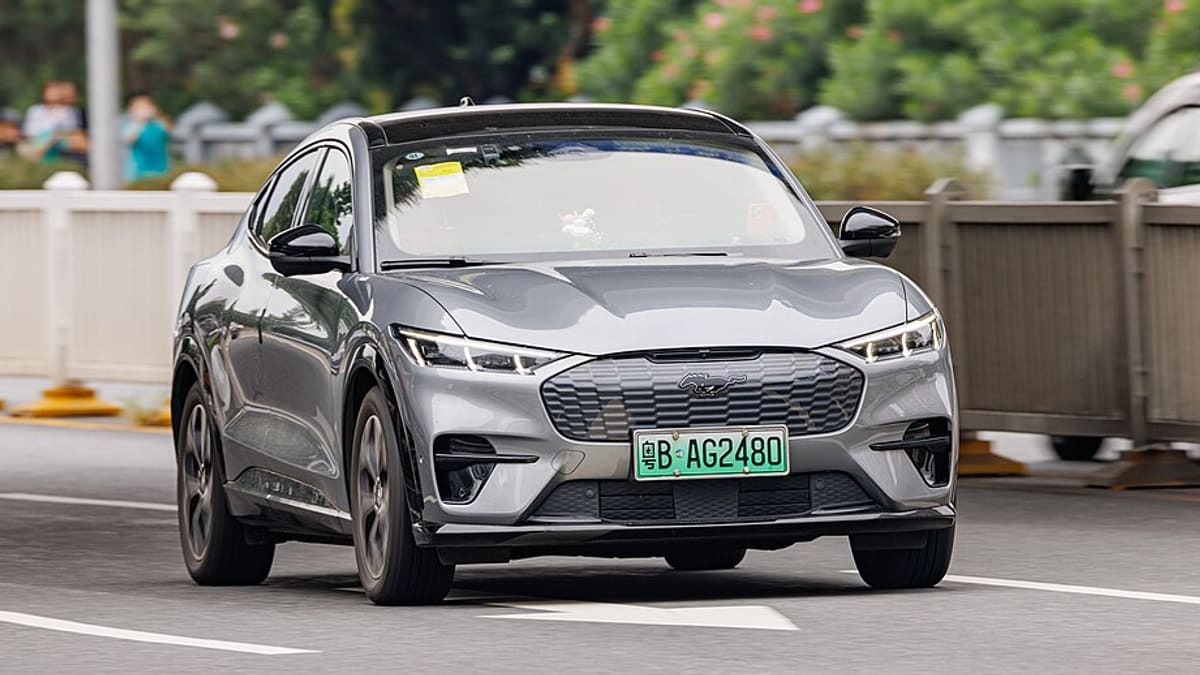
Fun to drive, heavily discounted, and one of the best value plays in the post-incentive market.
⚠ Charging speed trails the Korean 800V rivals. No US tow rating.
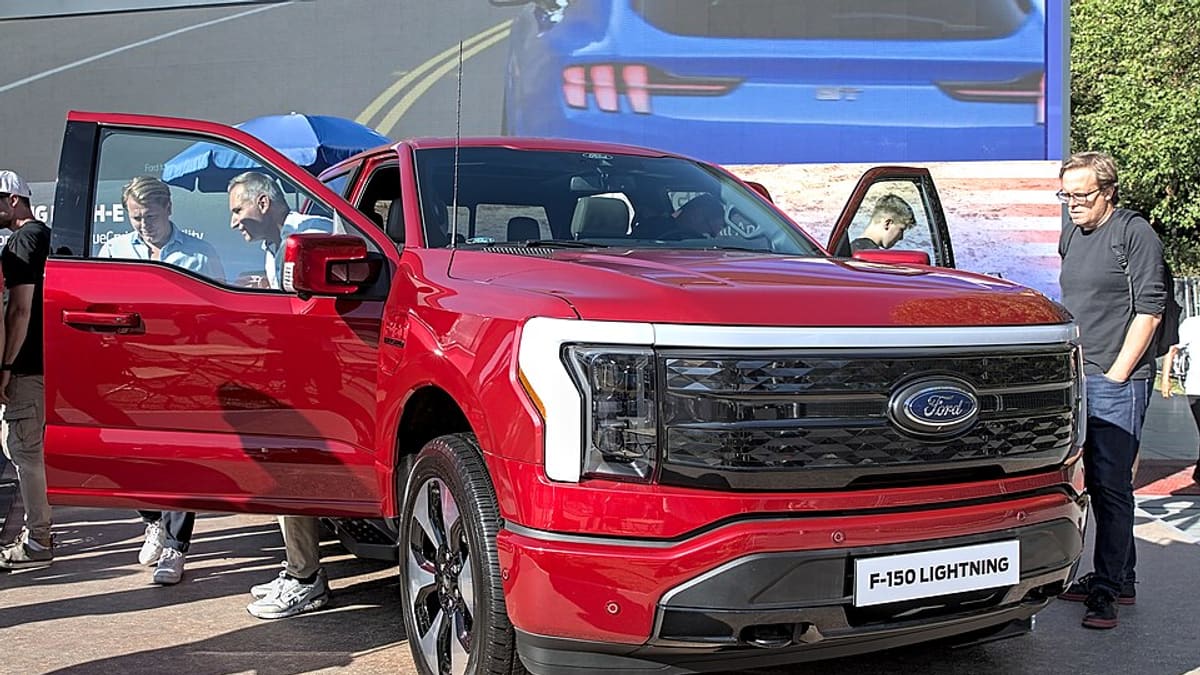
Ford killed it at the end of 2025, so depreciation is savage — a real F-150 with a hot-tub frunk for mid-size-truck money.
⚠ Production ended December 2025 (Ford pivoted to an EREV truck). Buy used or remaining inventory — parts and warranty support continue.
🏆 Ranked in: The Best EVs for Towing
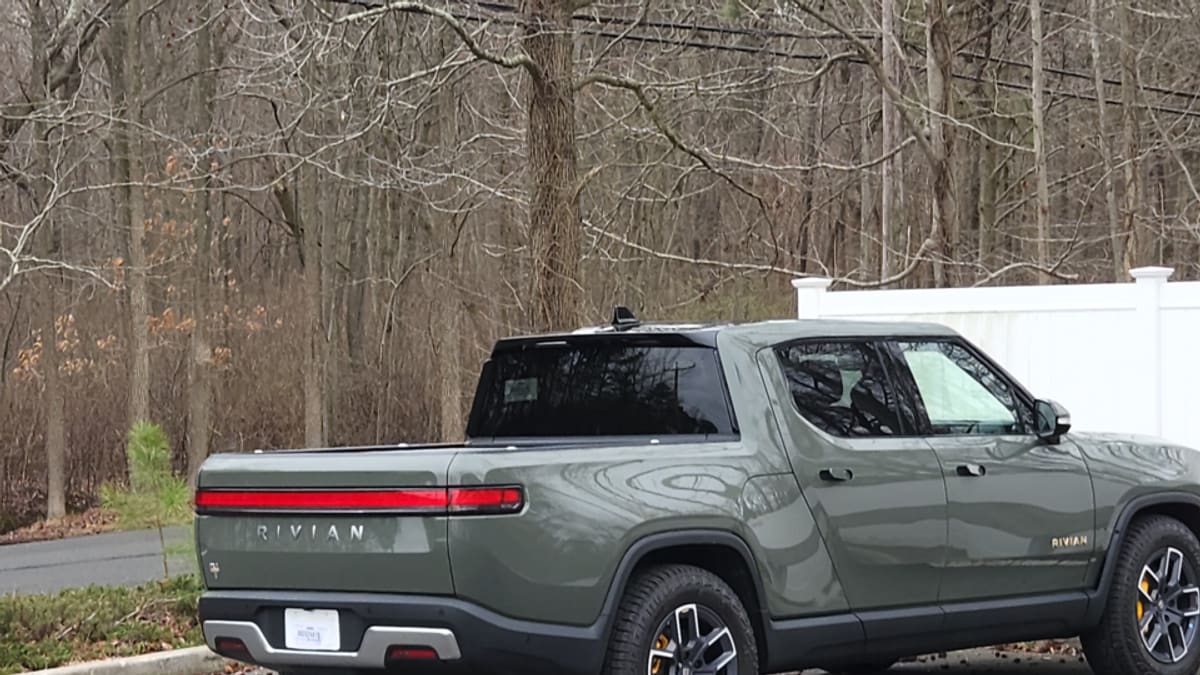
The adventure truck: massive towing, genuine off-road chops, native NACS, and the best software outside Tesla.
⚠ Towing cuts range roughly in half — plan accordingly.
🏆 Ranked in: The Best EVs for Towing
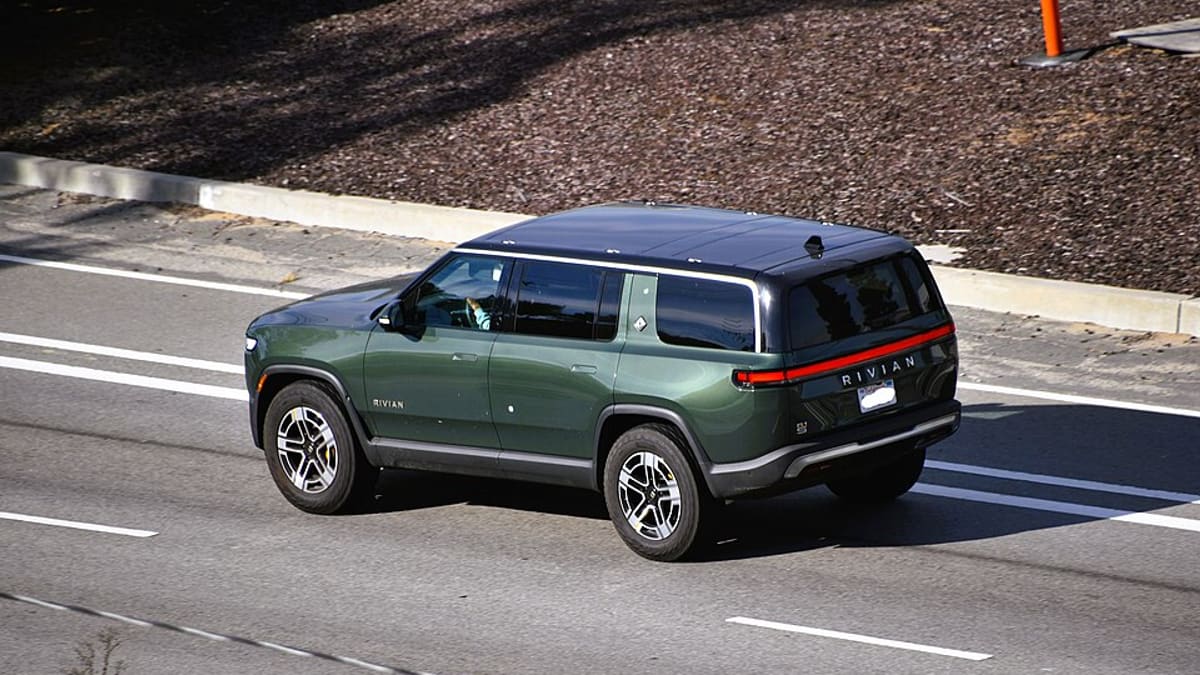
Three rows, serious range, serious trail ability. The family adventure flagship.
🏆 Ranked in: The Best 3-Row Electric SUVs for Families · The Best EVs for Towing
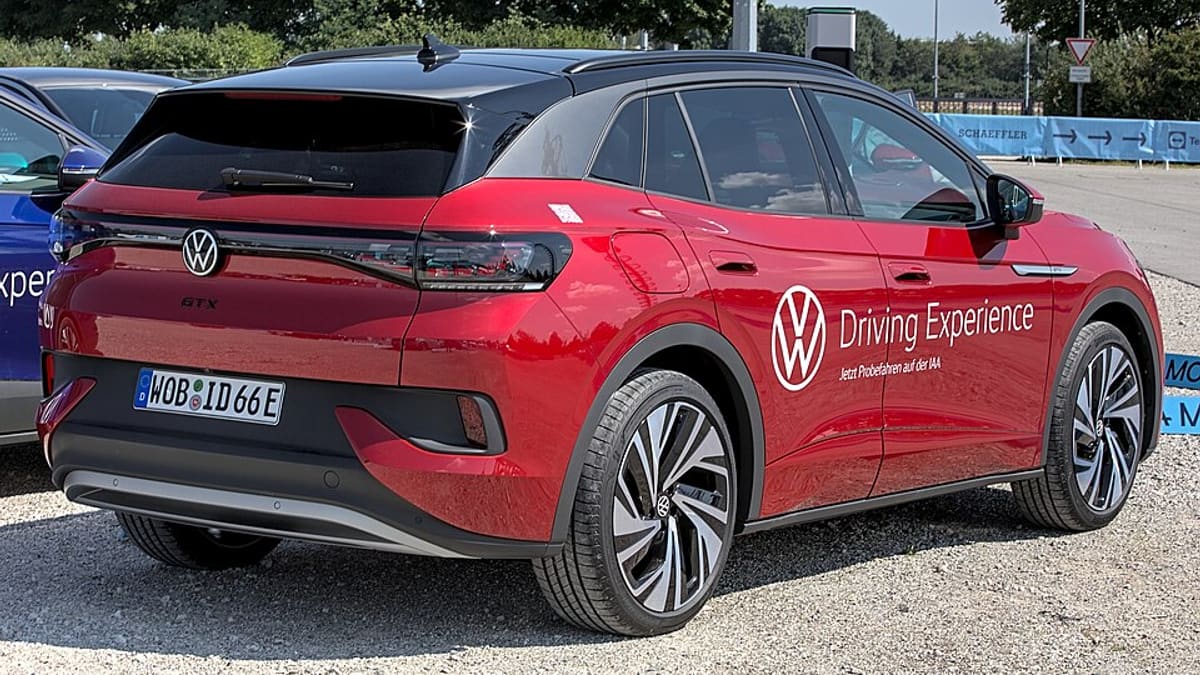
An unpretentious family crossover with a usable tow rating and improved software after a rocky start.
⚠ US production ended in 2026 — new stock is inventory-only, and this generation never gets a native NACS port.
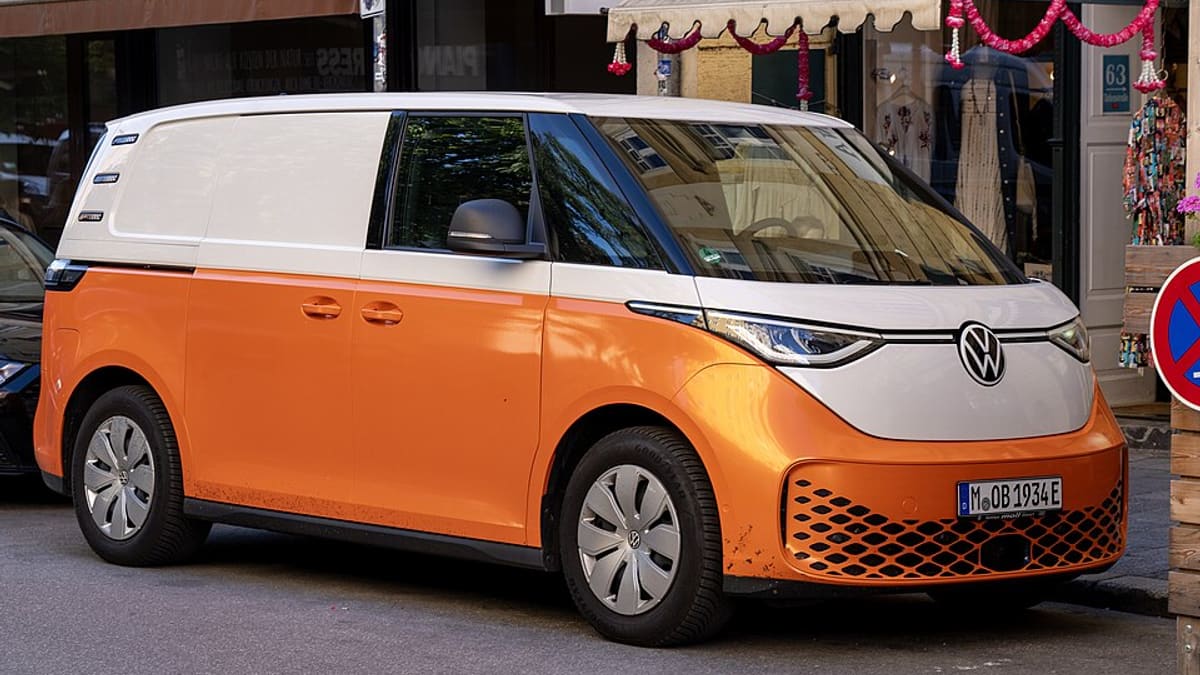
Nothing on the road gets more smiles per mile. Three rows, sliding doors, pure charisma.
⚠ Modest range for the price — happiest as a second car or short-hauler. US sales are 2025-model inventory right now.
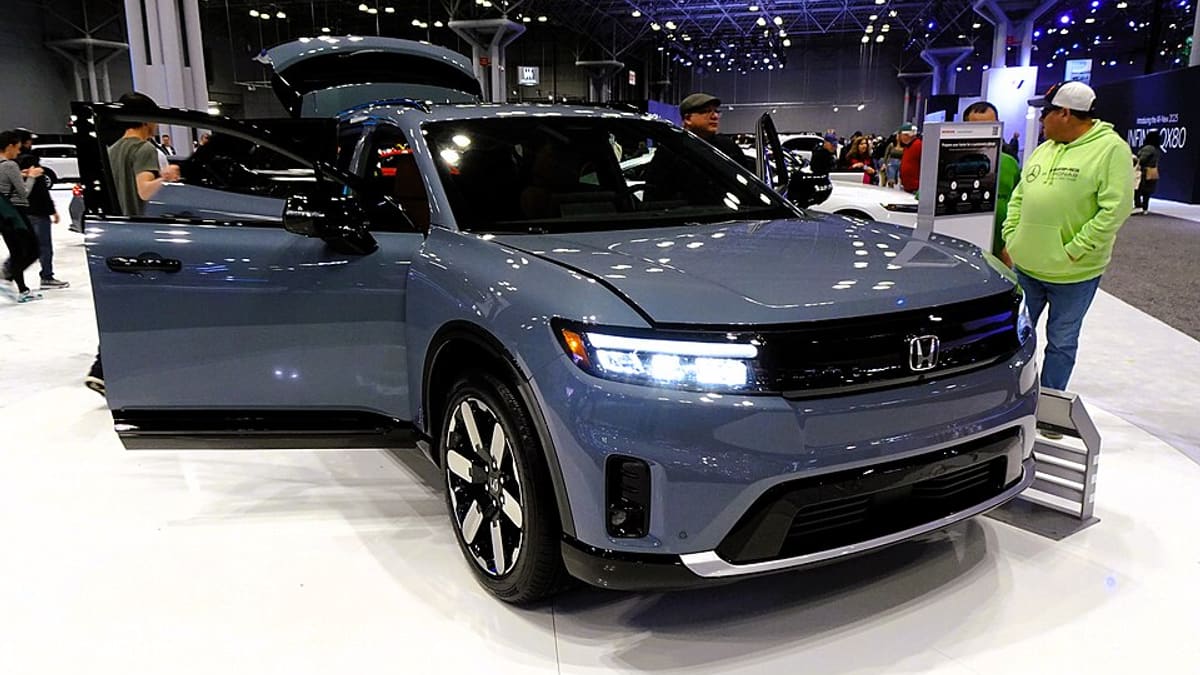
Honda badge, GM batteries — a low-drama family EV for people who just want it to work.
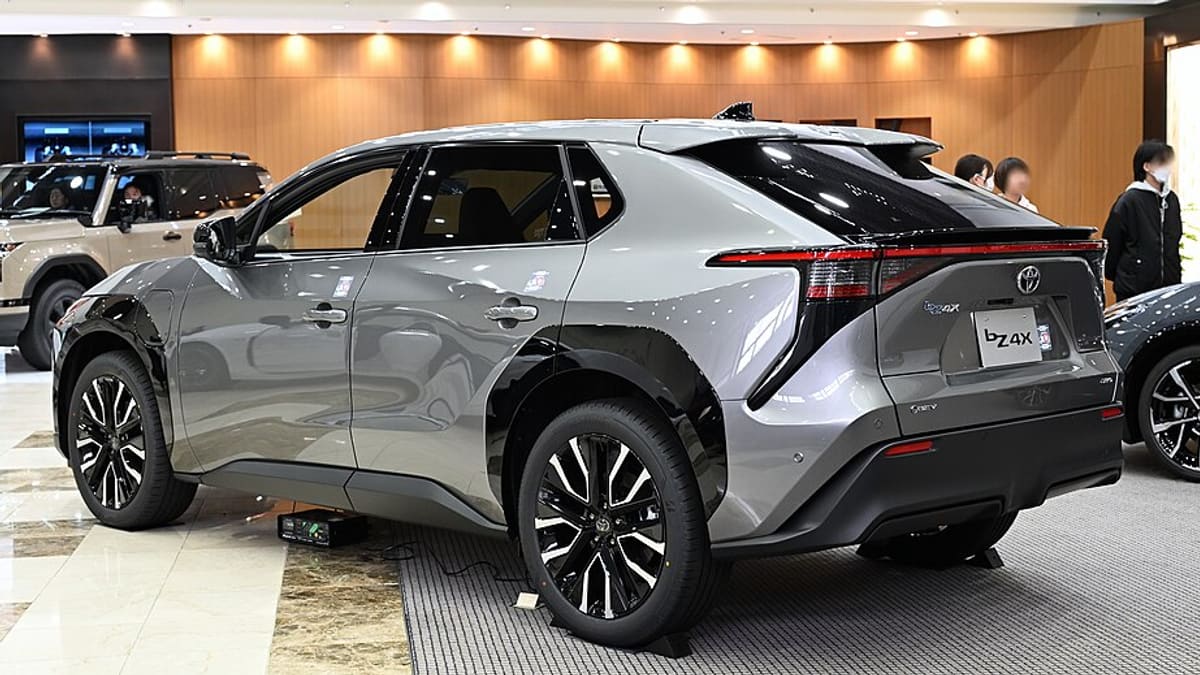
The heavily revised bZ fixes the old bZ4X's range and charging — with Toyota dependability and a native NACS port.
⚠ The $34,900 base XLE is a 235-mile car — the 314-mile rating needs the XLE FWD Plus.
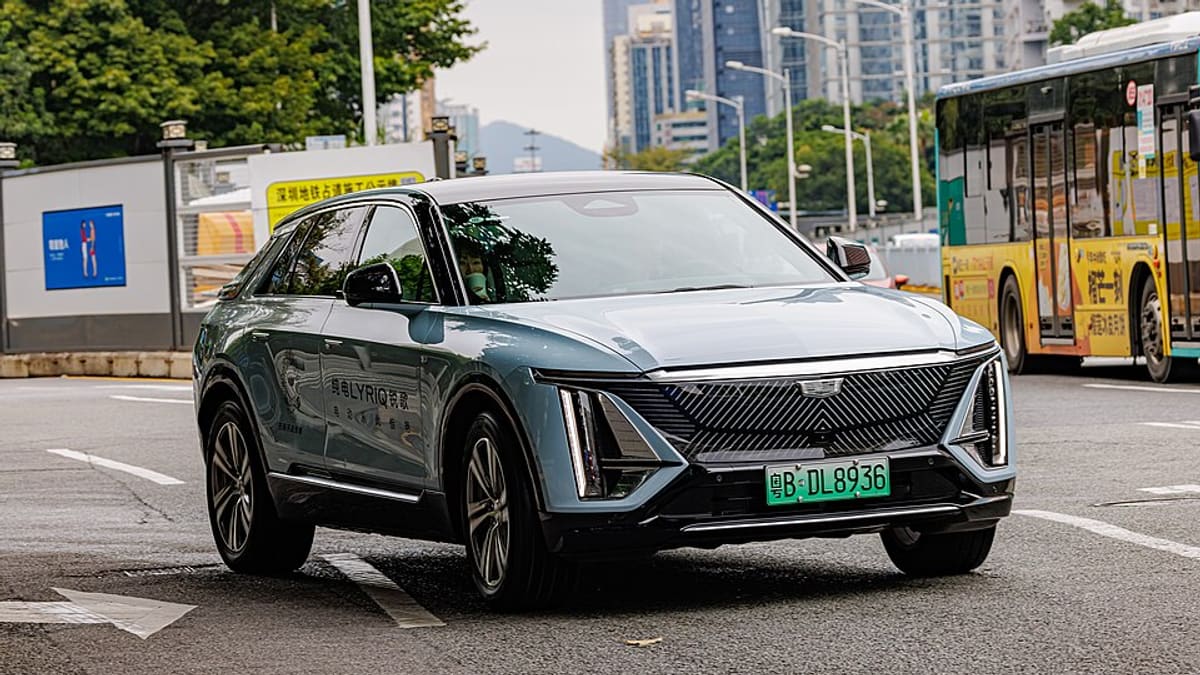
Genuine luxury-brand cachet and a gorgeous cabin without German-badge pricing.
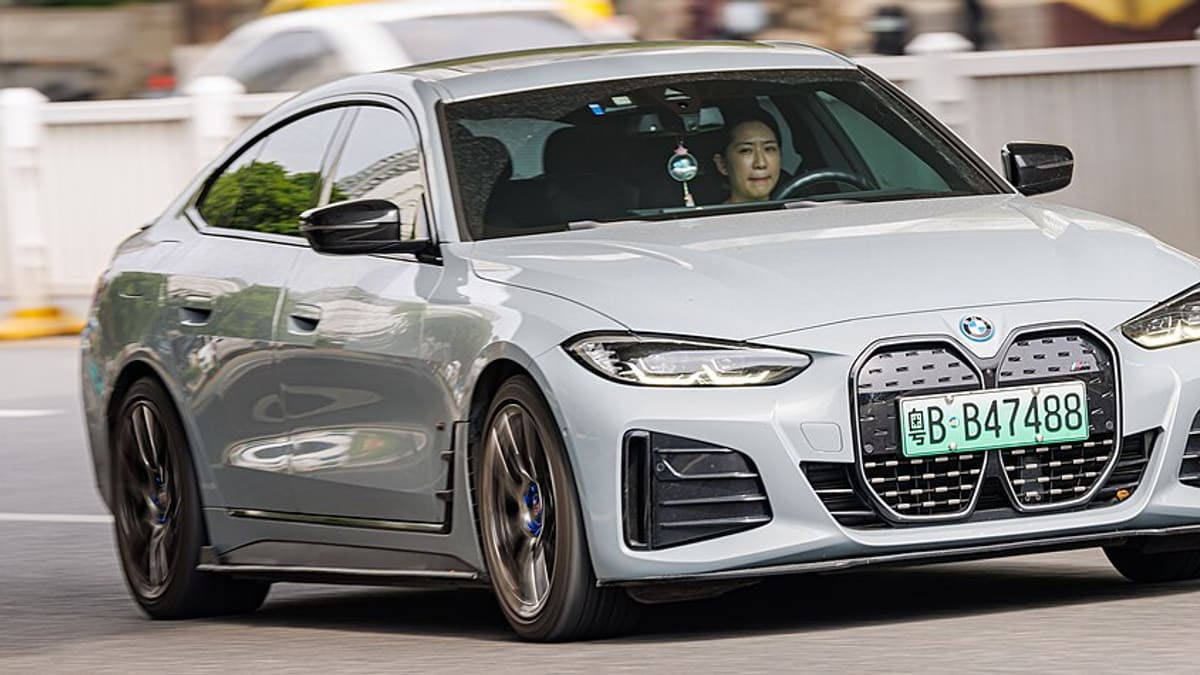
The driver's-car pick: a proper sport sedan that happens to be electric.
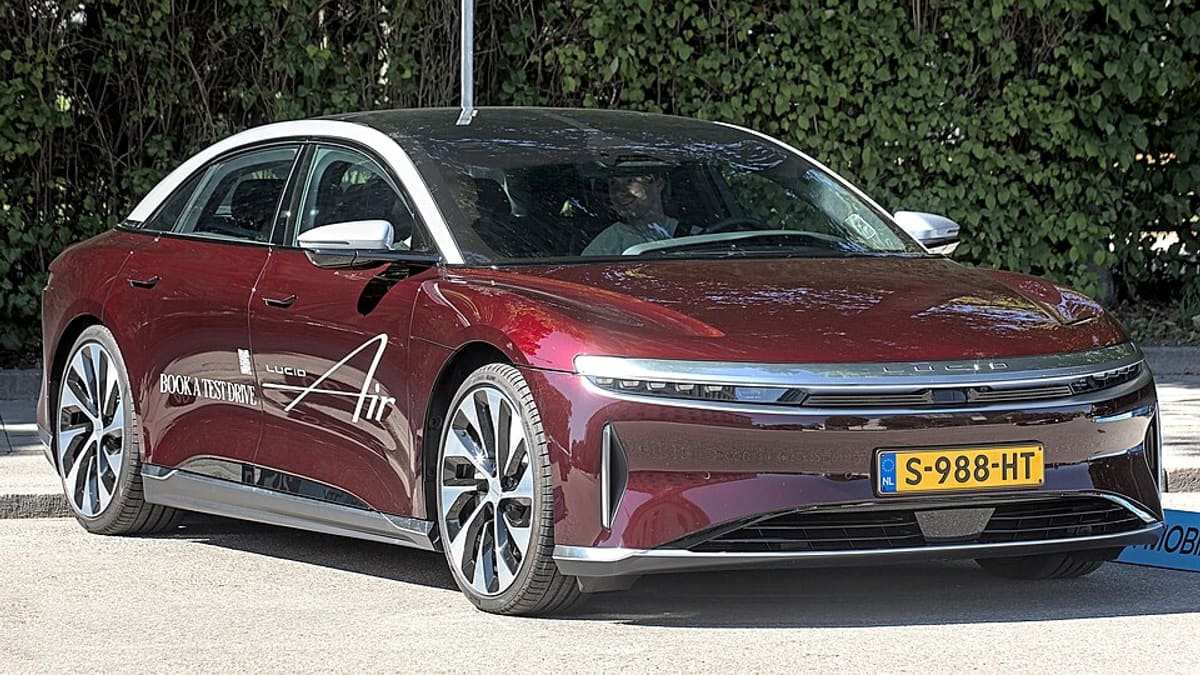
The efficiency master — more miles per kilowatt-hour than anything else on sale, wrapped in a first-class cabin.
⚠ Young company, thin service network — and Superchargers via adapter cap at 50 kW.
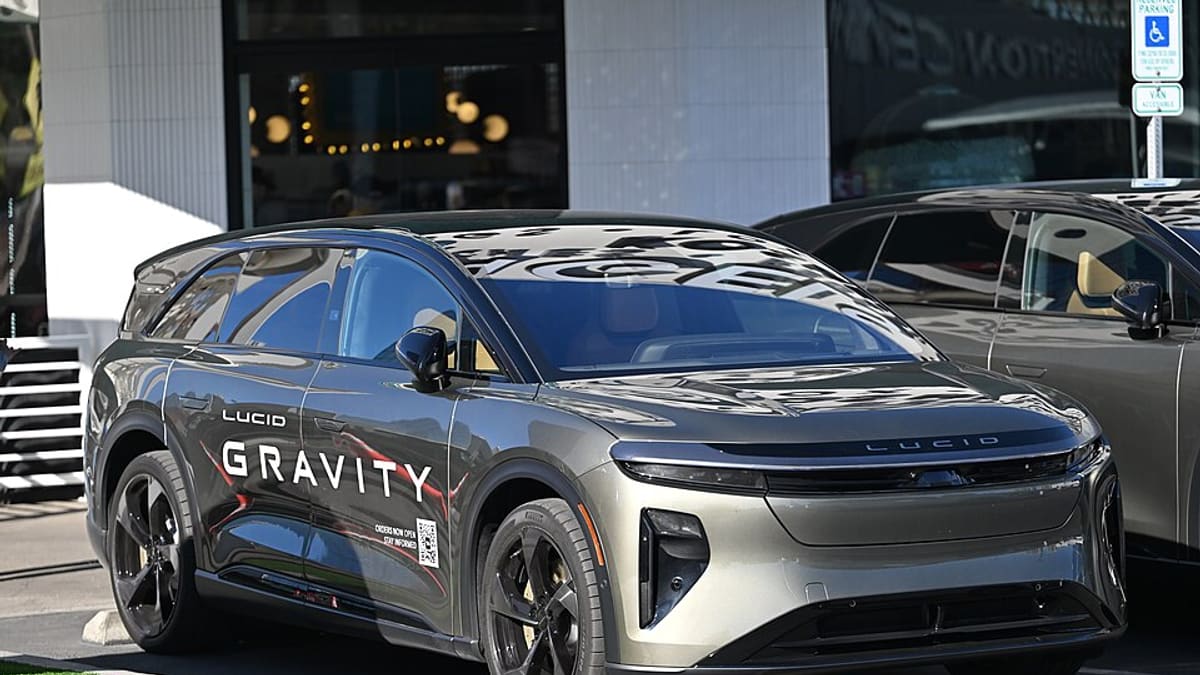
The no-compromise pick: three rows, up to 450 miles (Grand Touring), and charging speed at the very top of the SUV pack.
⚠ Young company; service network is thin outside major metros.
🏆 Ranked in: The Best 3-Row Electric SUVs for Families
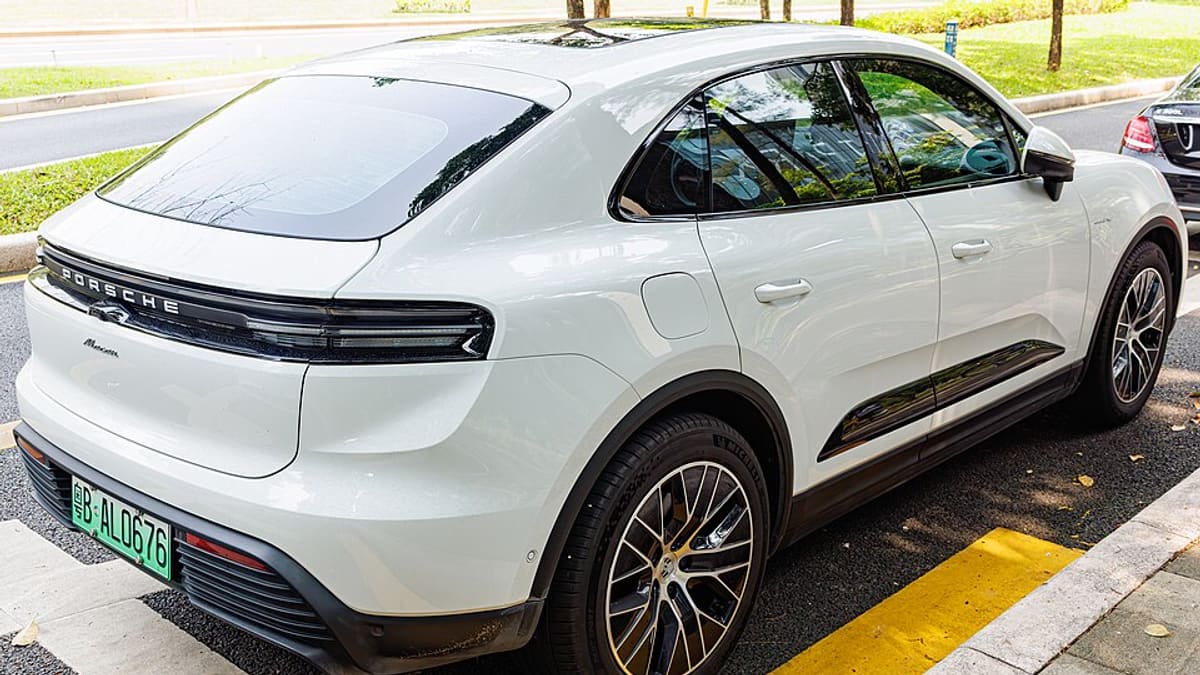
The rare EV that actually drives like a Porsche, with an 800V pack that fast-charges the way the brochure promises.
⚠ The 2026 base price jumped to ~$80k before destination, and options inflate it brutally fast.
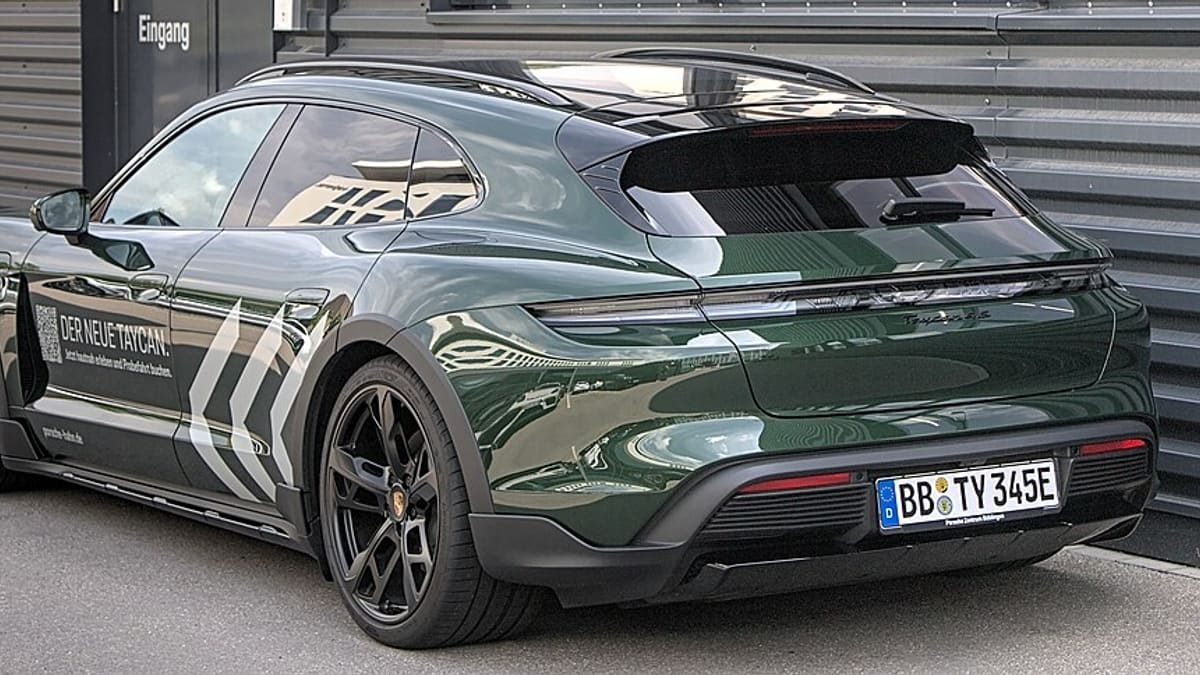
Still the benchmark for how an electric sedan should steer and gulp electrons. Its sustained 320 kW charging embarrasses cars half its price.
⚠ Seats four. Depreciation is savage — it sheds roughly half its value in three years.
🏆 Ranked in: The Best EVs for Road Trips
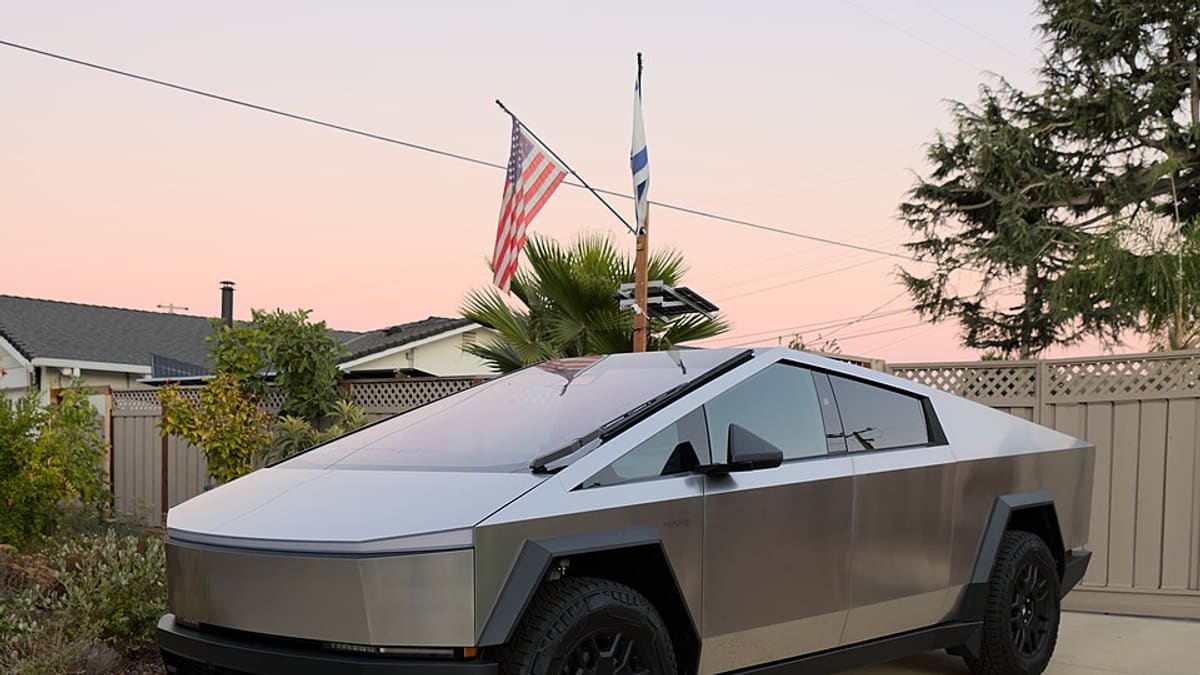
Nothing else tows 11,000 lbs while looking like it escaped a PlayStation cutscene, and Supercharger access is effortless.
⚠ The $74,990 Dual Motor AWD tows 7,500 lbs; the 11,000-lb rating needs the $84,990 Premium AWD.
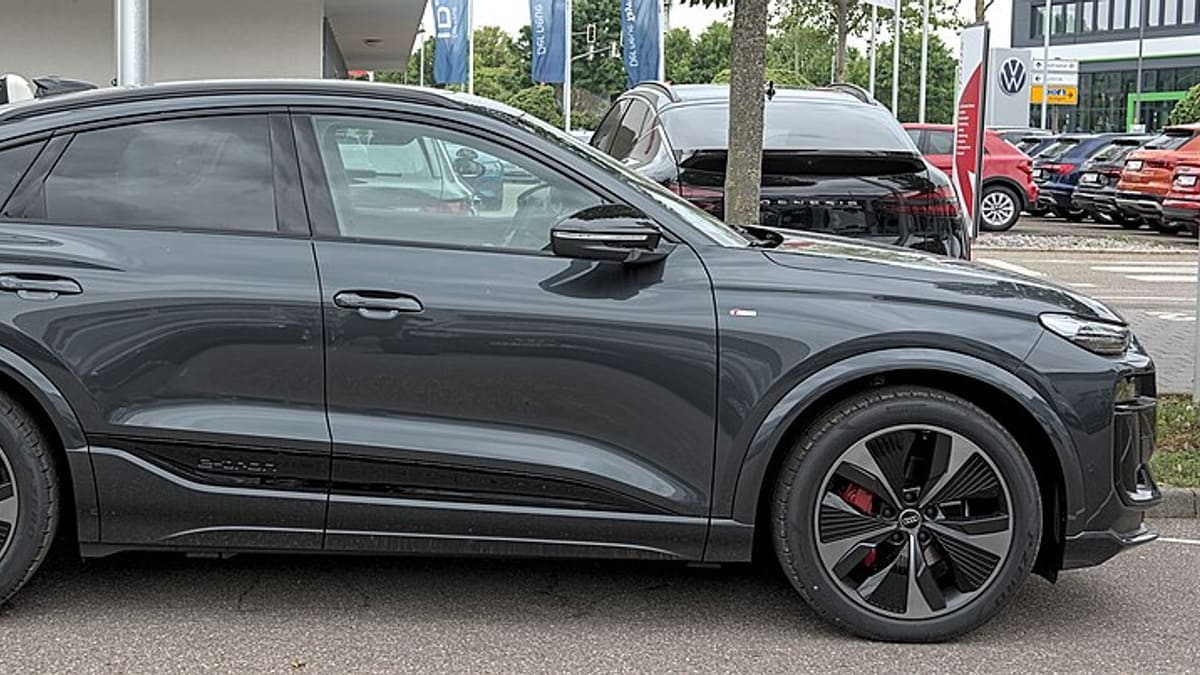
Porsche Macan hardware in a quieter suit — the same 800V platform and 21-minute charging for roughly $17k less.
⚠ Audi skipped MY2026 — refreshed 2027s (AWD-only) are landing now alongside discounted 2025 leftovers.
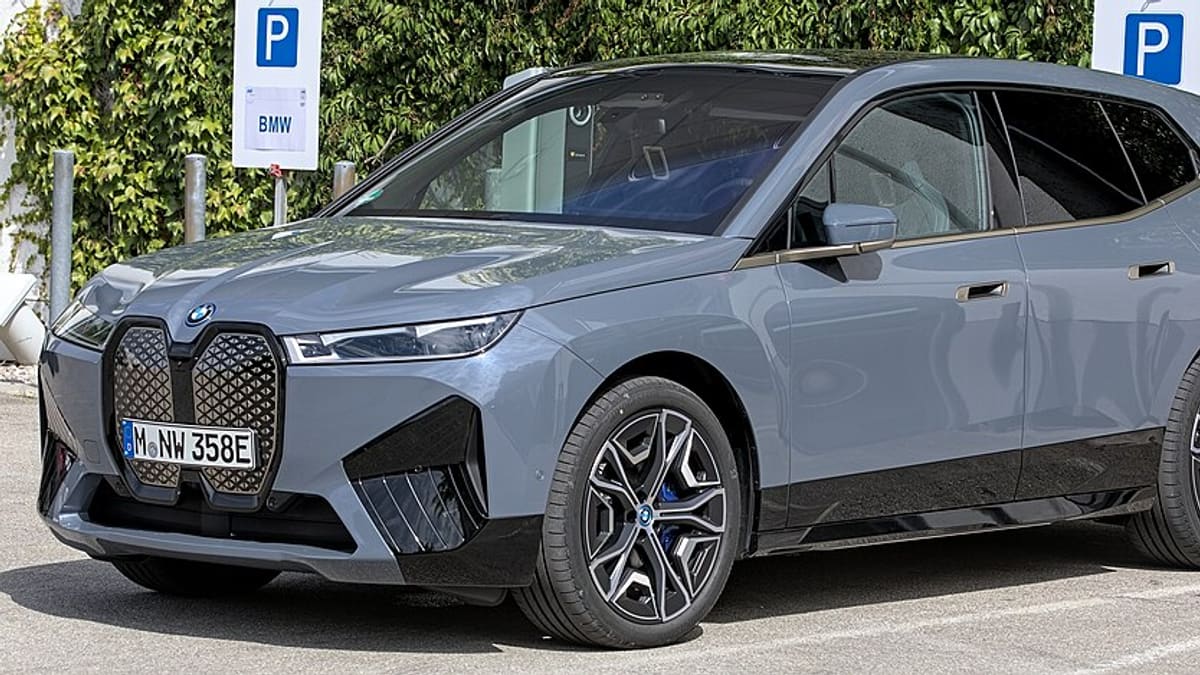
The 2026 facelift's 364-mile EPA rating humbles rivals costing more, wrapped in the plushest cabin in the class.
⚠ A 195 kW peak on 400V hardware means noticeably longer charging stops than the 800V competition.
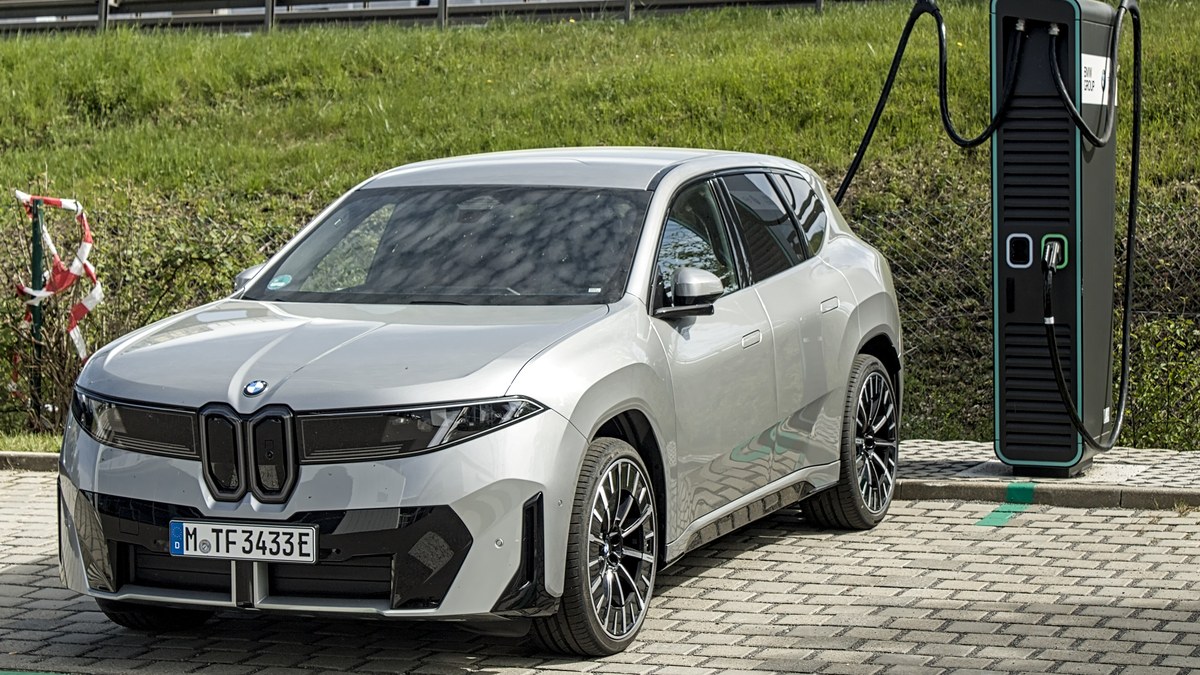
Up to 434 EPA miles and, by BMW's figures, a 10-80% fast charge in 21 minutes at up to 400 kW.
⚠ The 434-mile rating needs the no-cost 20-inch summer tires; on the standard all-season tires the EPA rating is 383 miles.
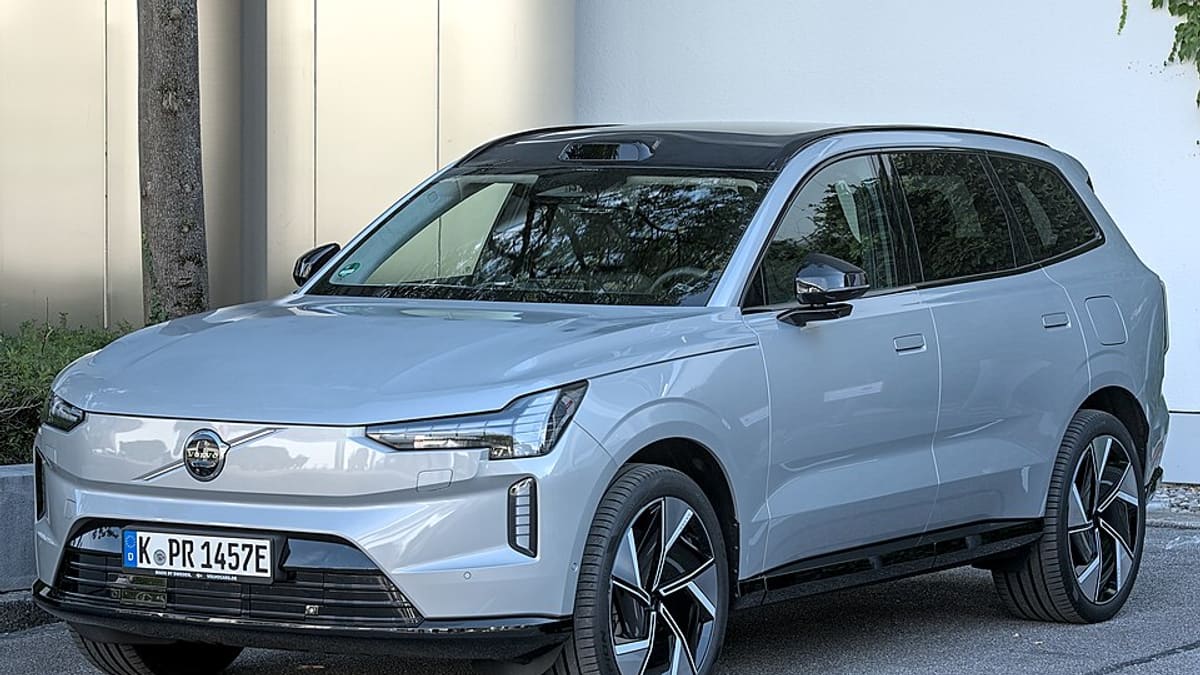
The only genuinely luxurious three-row EV this side of six figures, with Volvo's safety halo.
⚠ Early cars shipped with serious software bugs — buy a late build and confirm the computer retrofit.
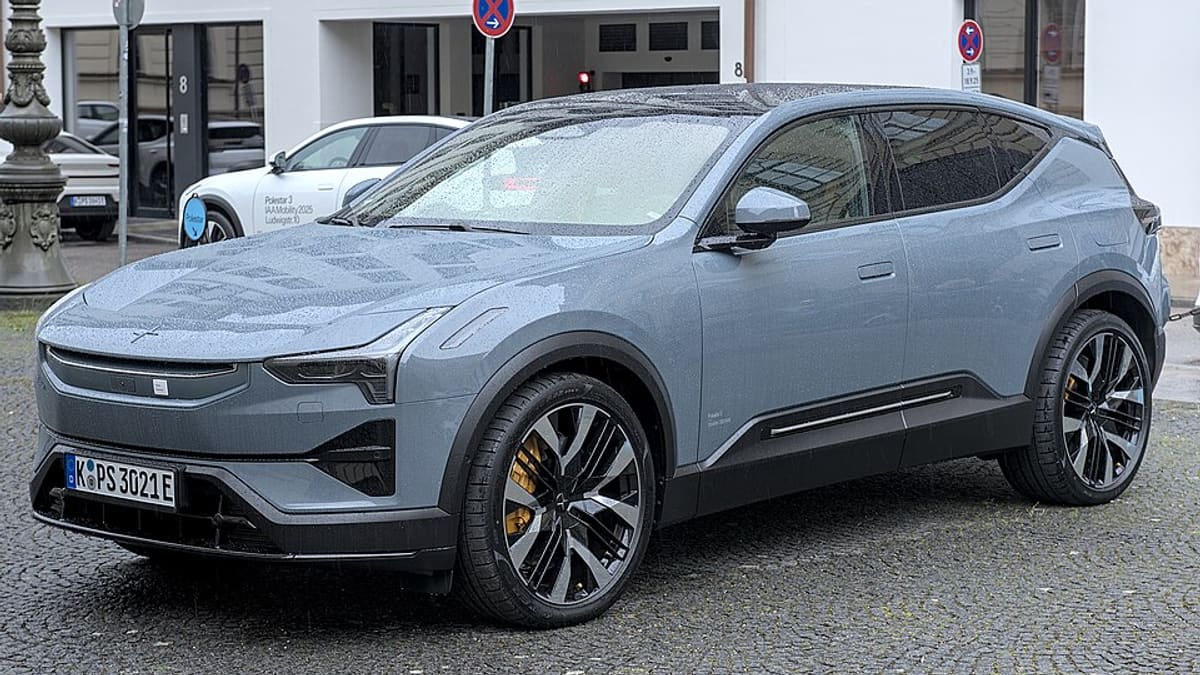
The 350-mile single-motor version is one of the longest-legged luxury SUVs on sale, with real design-magazine presence.
⚠ An 800V refresh is already announced, so today’s 400V car faces steep depreciation.
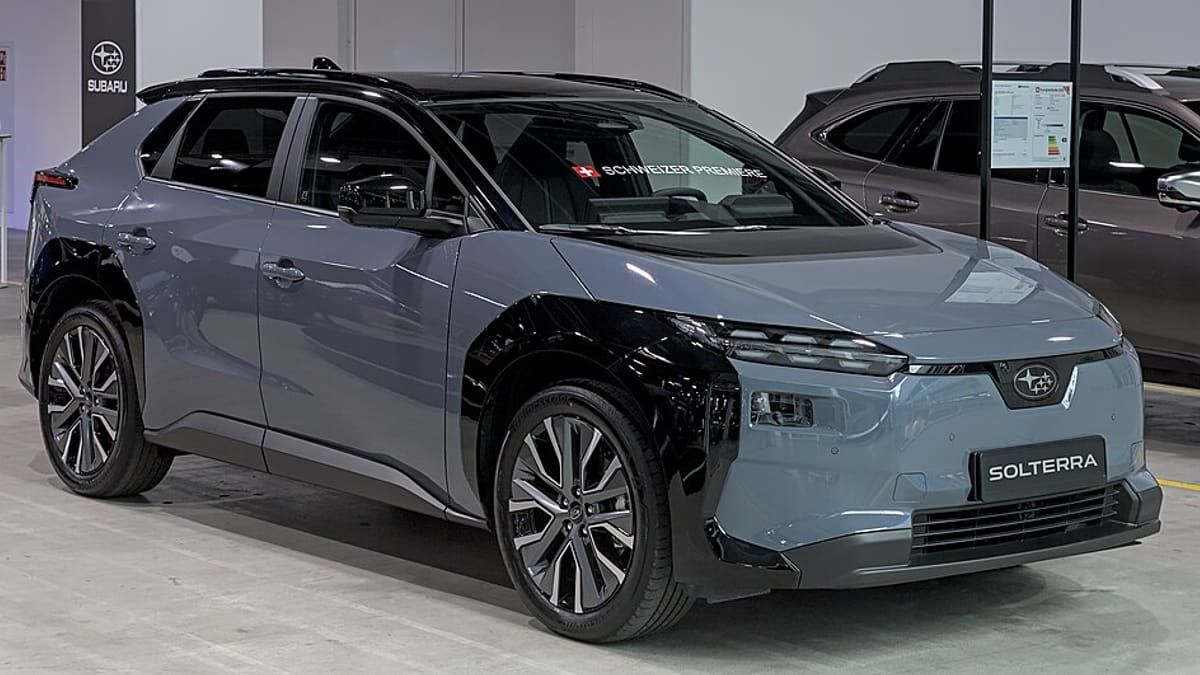
The 2026 refresh fixes almost everything: 288 miles, a native NACS port, standard AWD, and a price Subaru refused to raise.
⚠ 150 kW peak charging is merely adequate, and there is no US tow rating.
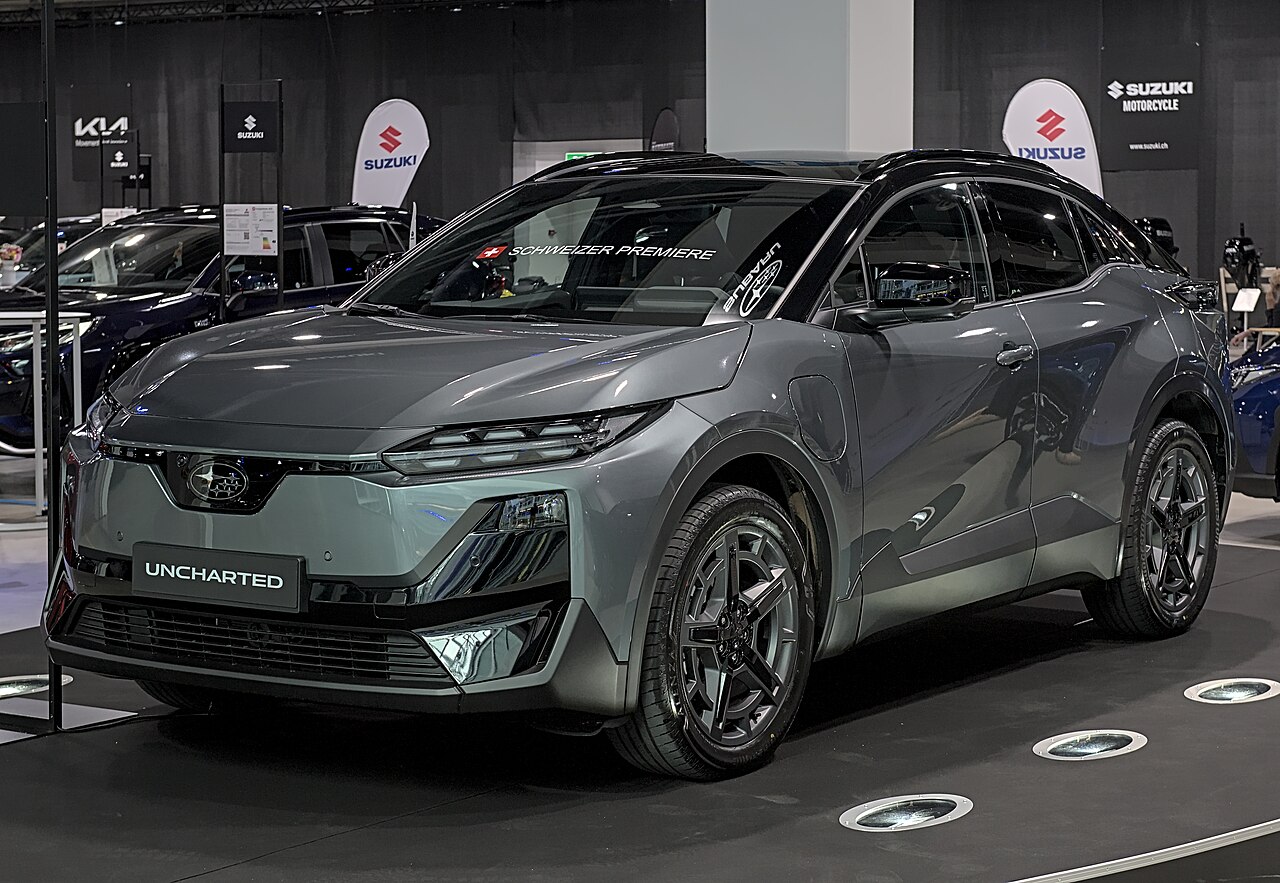
The electric Crosstrek, basically: 308 miles for $34,995 with a native NACS port. Subaru finally made a compelling EV.
⚠ FWD gets the 308-mile rating; AWD trims drop to 273-287 miles. First model year, so let the software mature.
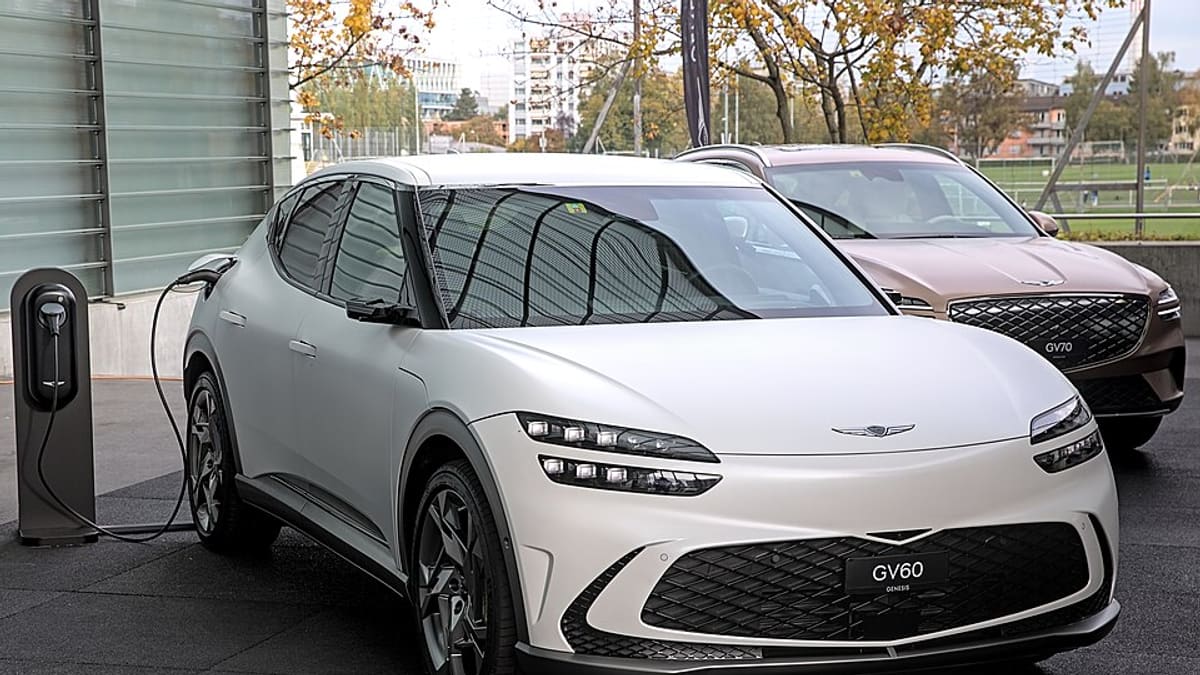
The 2026 update lands the trifecta: native NACS, a bigger 84 kWh battery pushing 306 miles, and 18-minute charging.
⚠ The Hyundai-family ICCU charging-module saga touches Genesis too — watch the recall status.
🏆 Ranked in: The Best EVs for Apartment Dwellers · The Best First EV for Beginners · The Best EVs for Road Trips
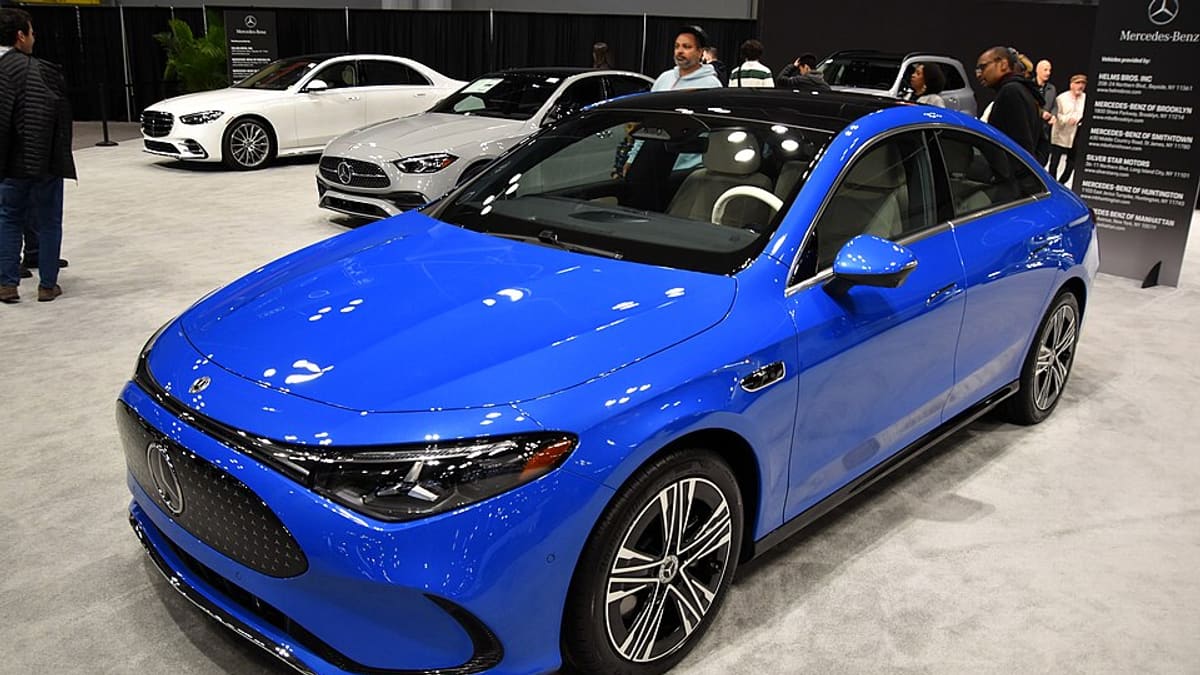
374 EPA miles and 320 kW charging for around $48k makes this the efficiency king of the whole list.
⚠ A first-year car on an all-new platform — and its 320 kW needs 800V stations; today’s 400V Superchargers charge it much slower.
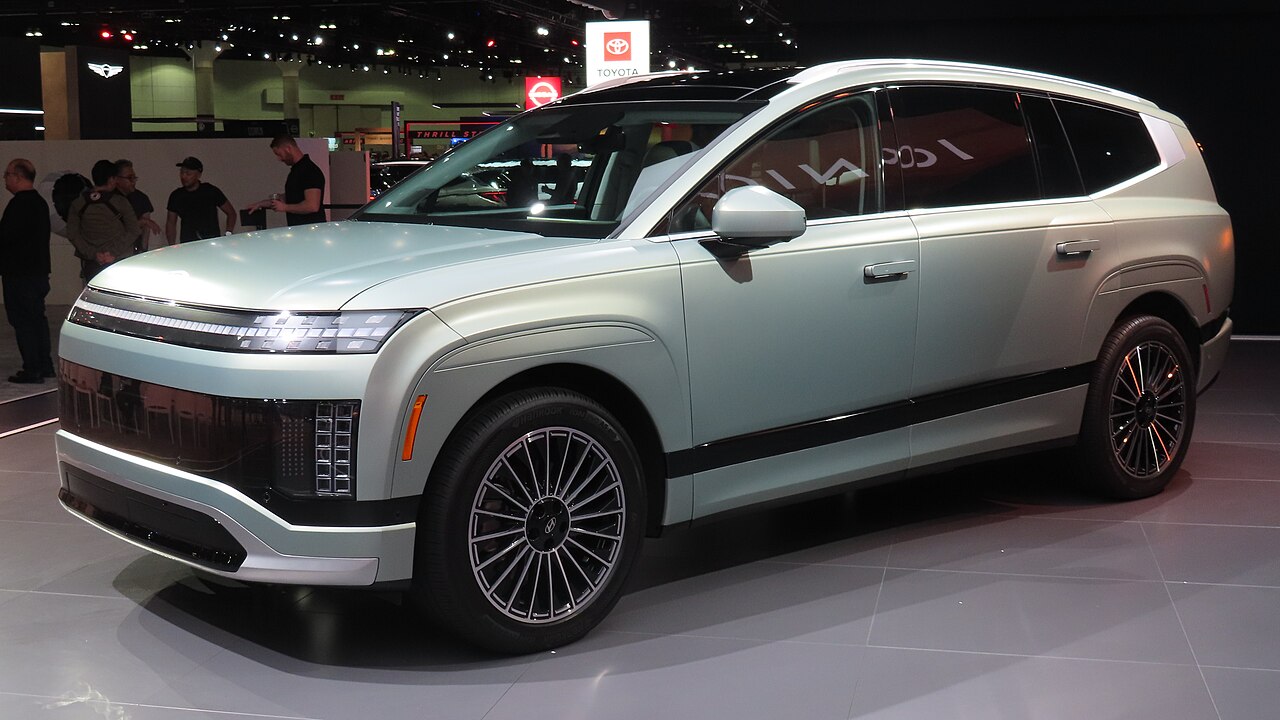
Three rows, 335 miles, and a native Tesla port — the family hauler that out-practicals the EV9 it shares bones with.
⚠ Shares the E-GMP platform with ICCU-recall siblings — too new for its own track record.
🏆 Ranked in: The Best 3-Row Electric SUVs for Families
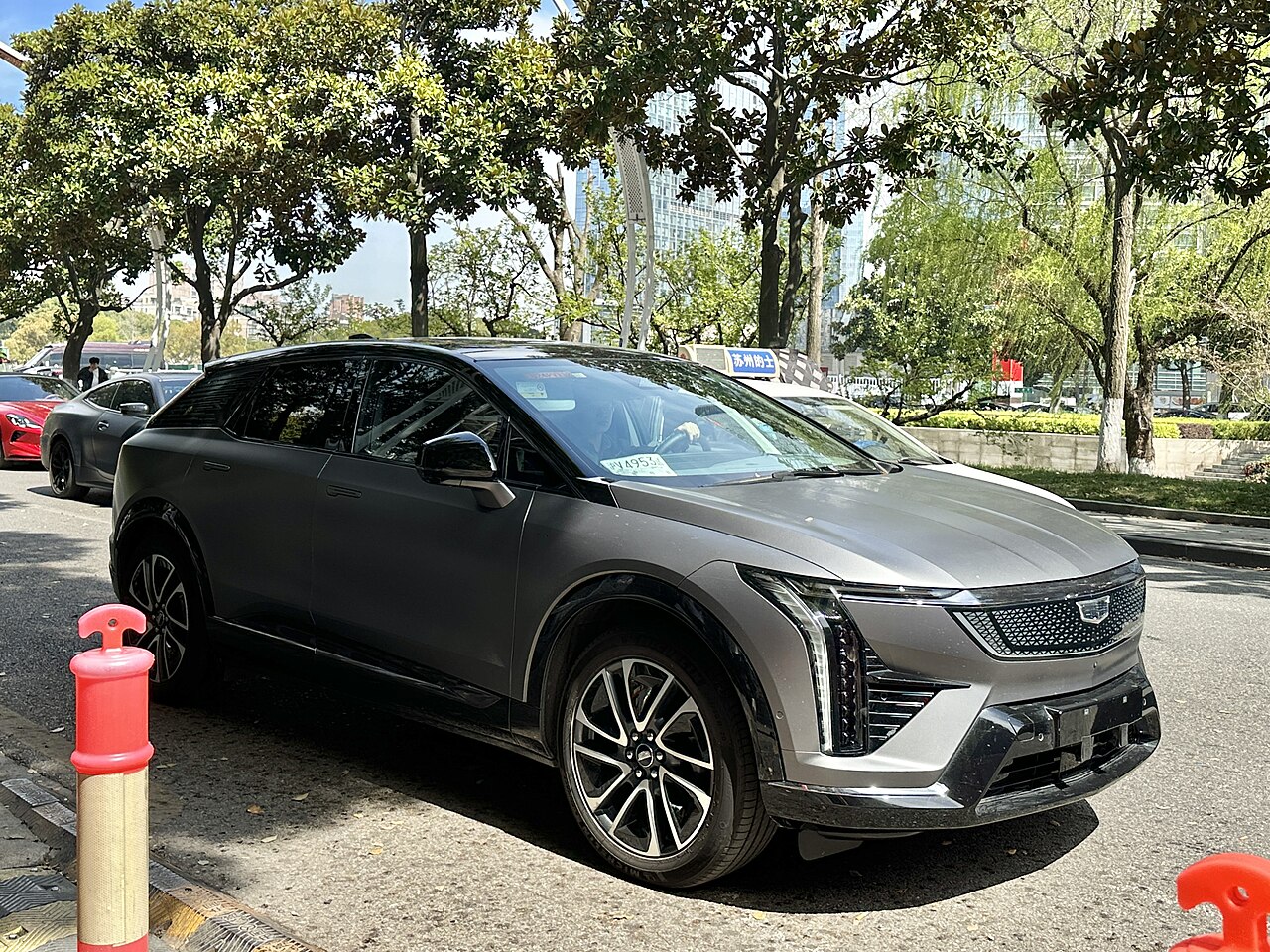
GM’s first EV with a native Tesla plug — real Cadillac luxury and standard Super Cruise for Model Y money.
⚠ No CarPlay, and 150 kW charging means road-trip stops run long.
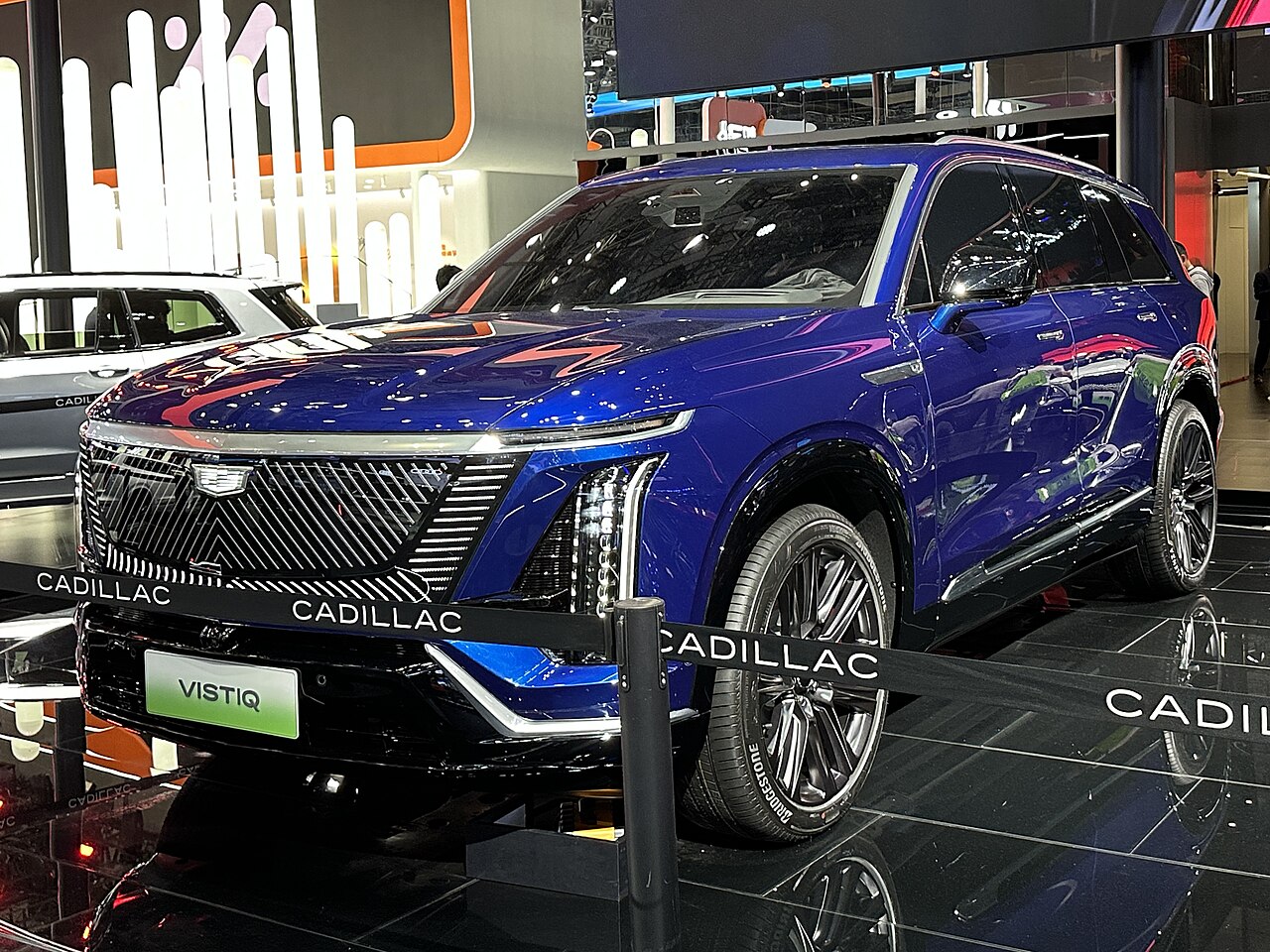
A three-row electric Escalade-lite with 615 hp standard and real luxury inside.
⚠ Still carries the old CCS port (NACS arrives on the 2027s), no CarPlay, and 10–80% stops run slow.
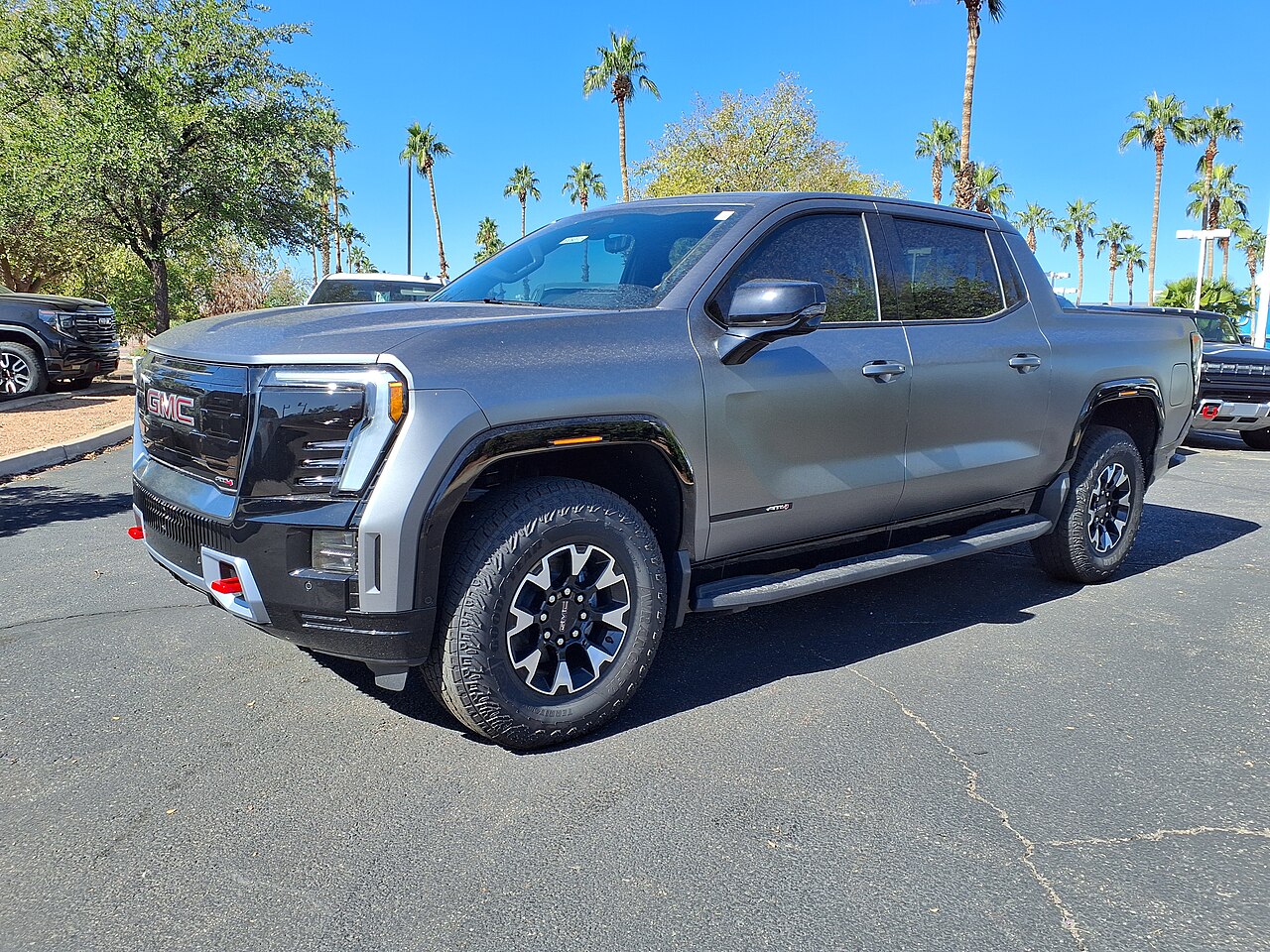
The Silverado EV in nicer clothes — 410 EPA miles, 12,500-lb towing, and 800V charging that adds 100+ miles in 10 minutes.
⚠ CCS port until the 2027s, no CarPlay, and the price climbs fast with options.
🏆 Ranked in: The Best EVs for Towing
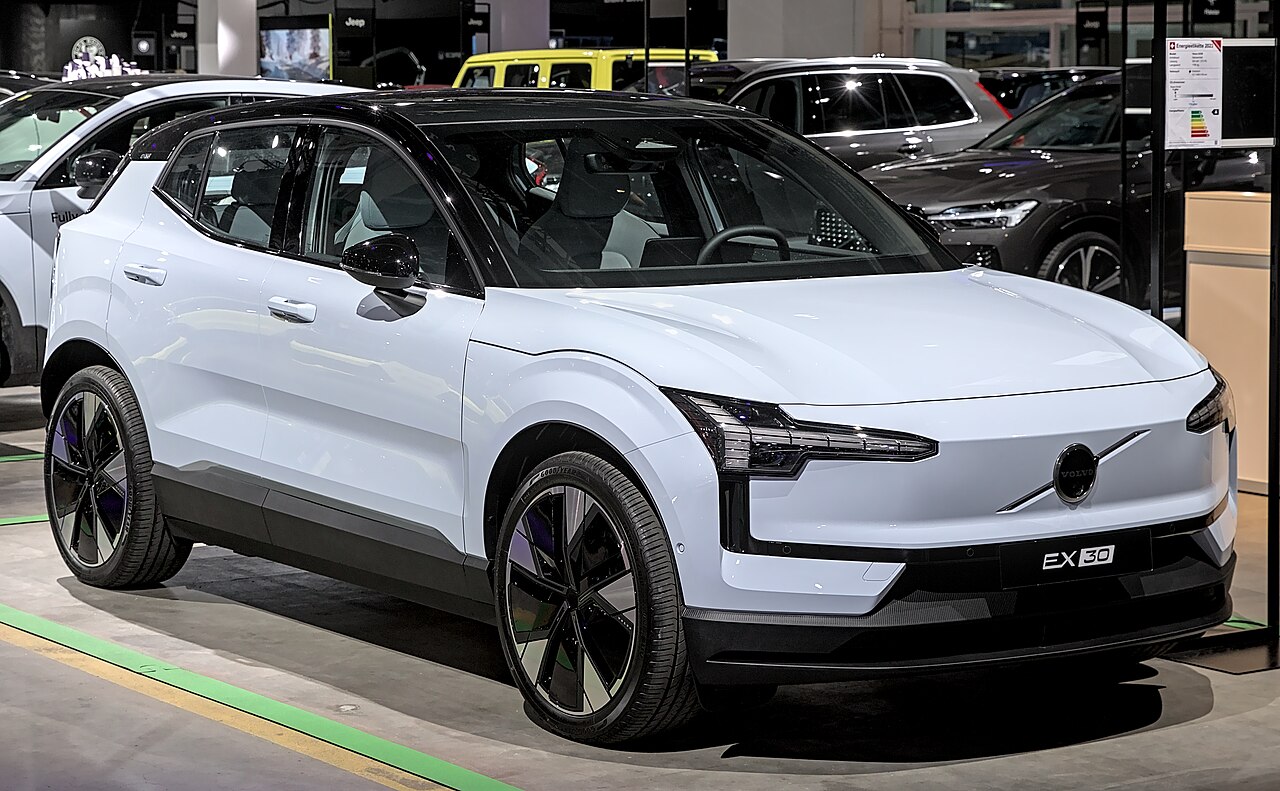
The cheapest new Volvo — genuinely quick, charming Scandinavian design, and a free NACS adapter in the box.
⚠ Small inside, nearly everything lives in the center screen, and 261 miles is the lineup max.
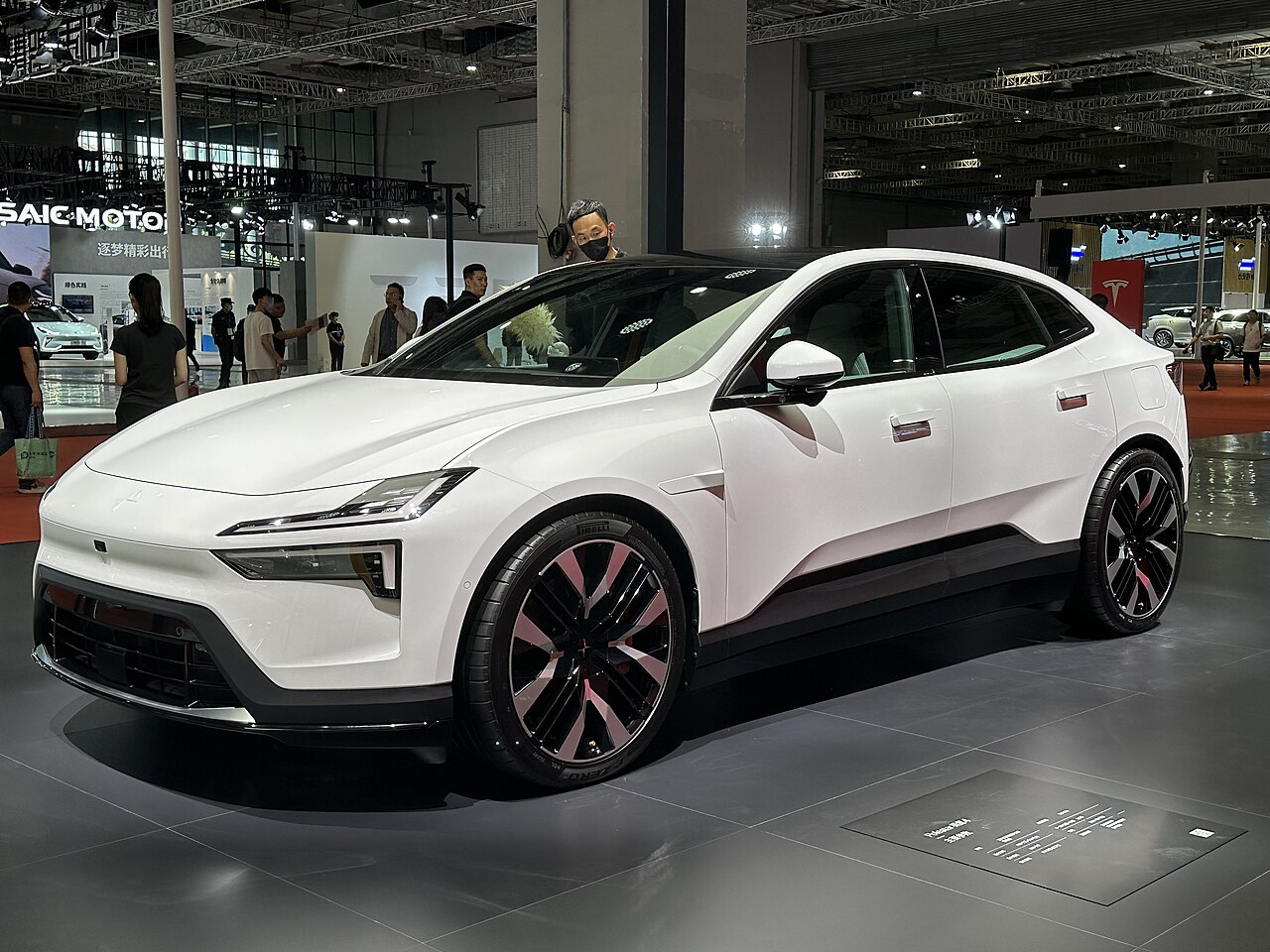
The no-rear-window fastback — 310 miles and a $10k price cut for 2026 make it the boldest Model Y alternative on sale.
⚠ You’re trusting a camera instead of a rear window, and the retail network is thin.
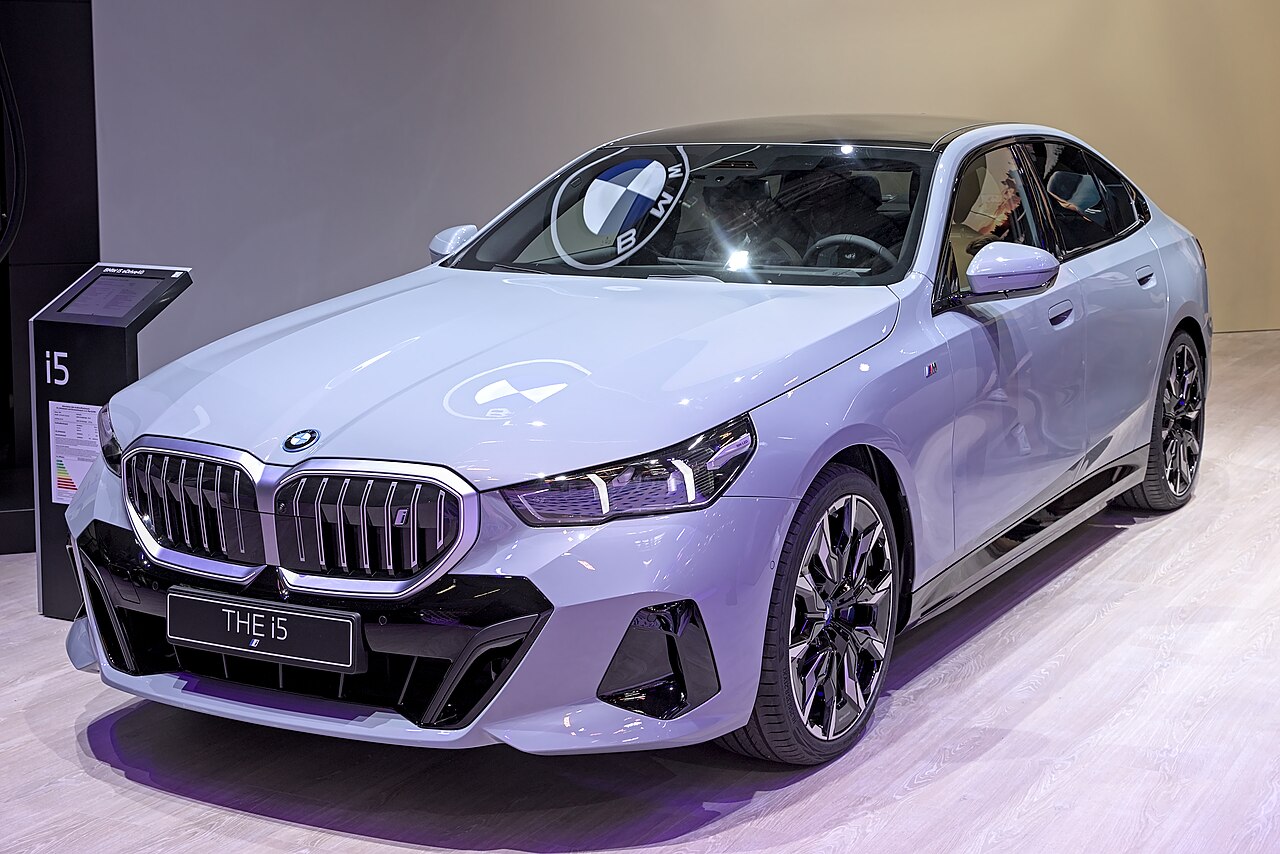
The electric 5 Series — quietly excellent, beautifully built, and US cars built since March 2026 carry a native Tesla port.
⚠ Range tops out at 310 miles on the smallest wheels — spec carefully. Earlier builds have a CCS port.
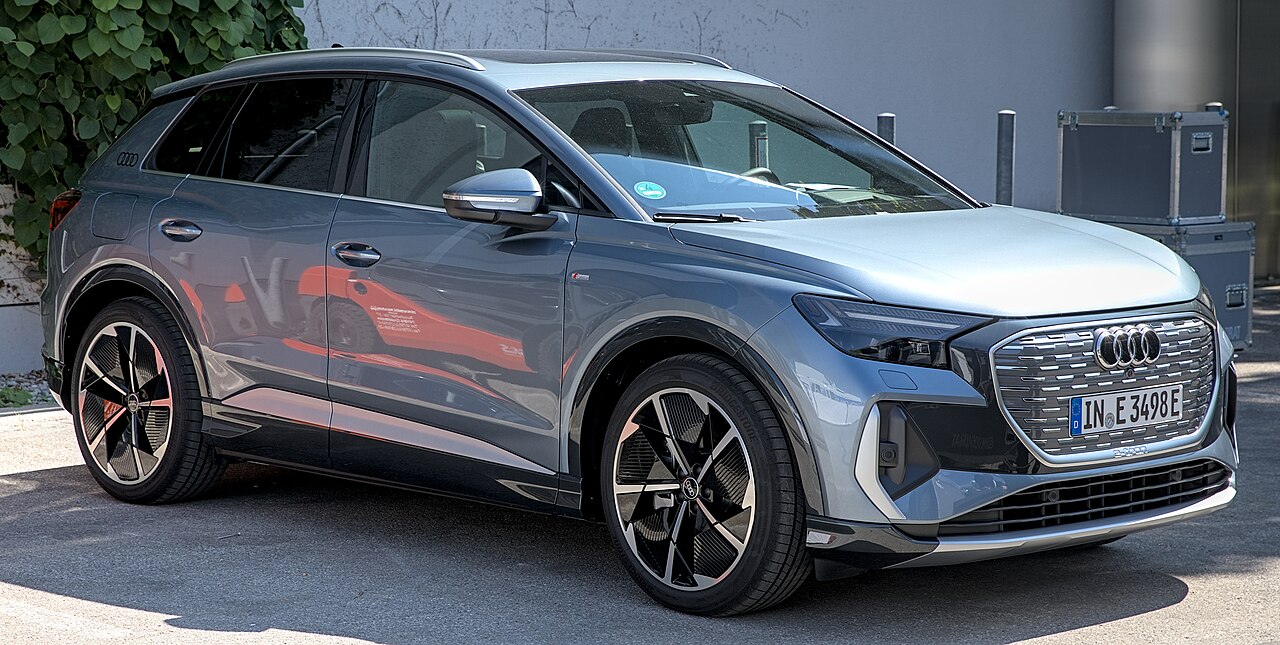
Audi cabin polish at loaded-Ioniq 5 money — a quietly refined small luxury SUV.
⚠ MEB-era charging trails its PPE big brothers, and the value math is soft next to the Koreans.
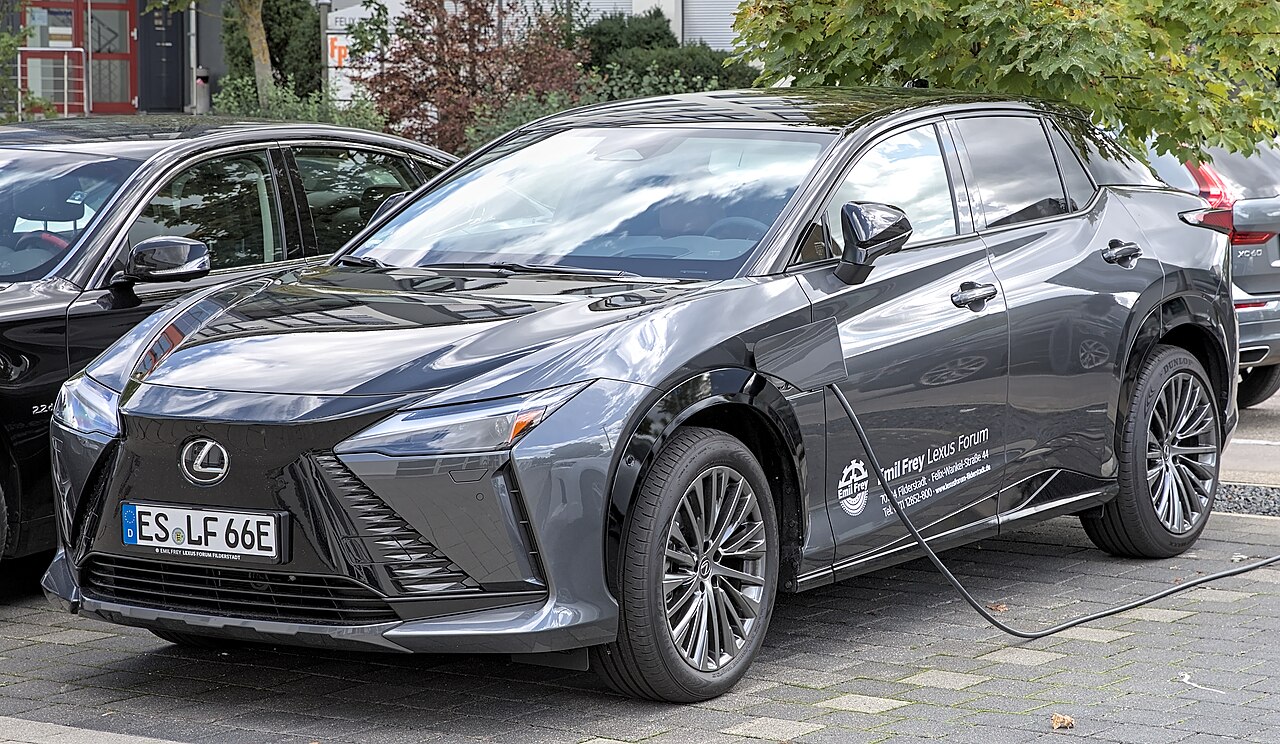
For 2026 the RZ finally makes sense — 301-mile base range, native NACS, and Lexus-dealer coddling.
⚠ 150 kW charging is the trade — fine around town, patient on road trips.
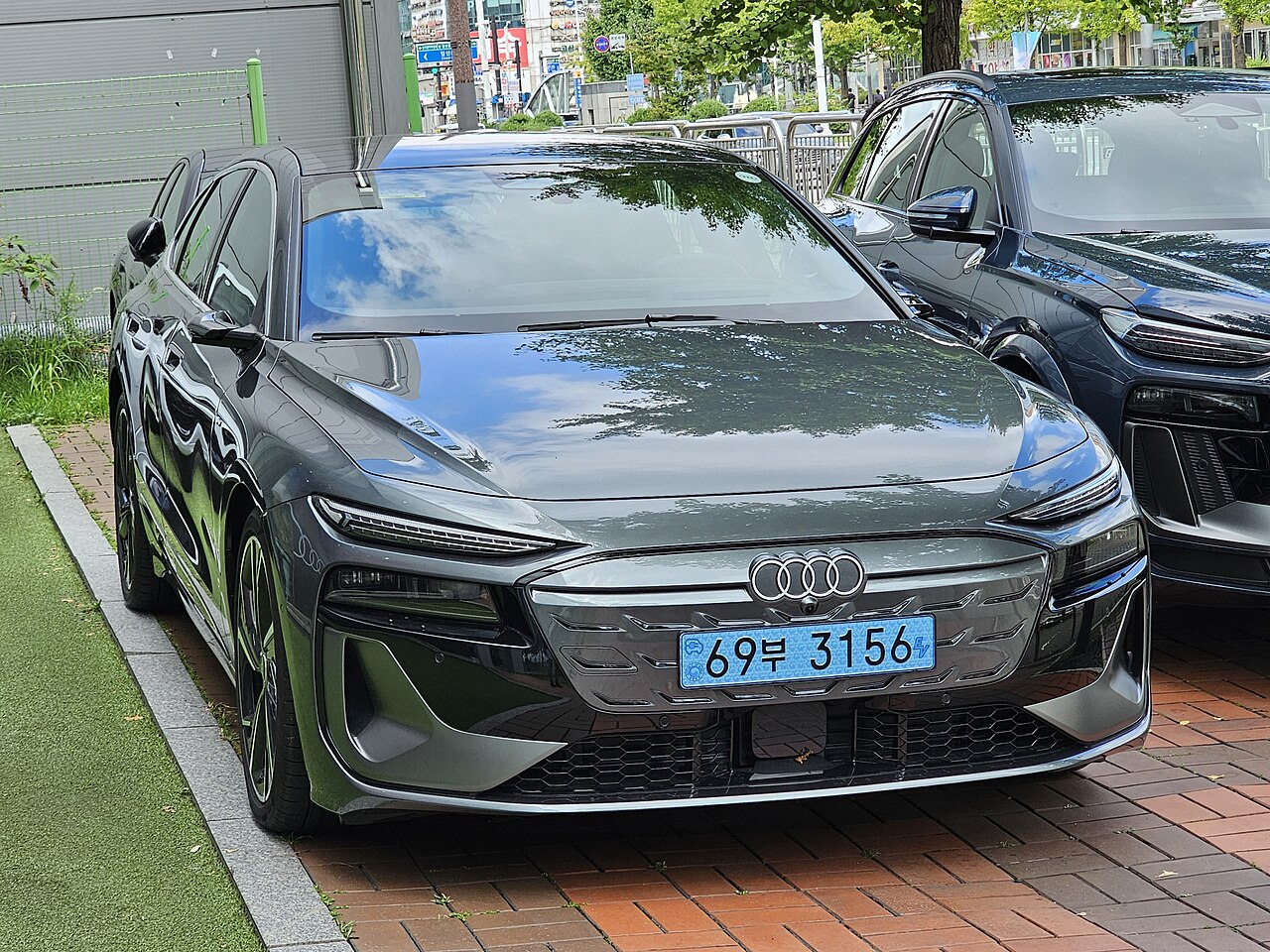
The longest-range Audi ever sold here — up to 392 miles, and 21-minute stops when you do plug in.
⚠ The 392-mile rating needs the Ultra package; the CCS port means adapter life on Superchargers.
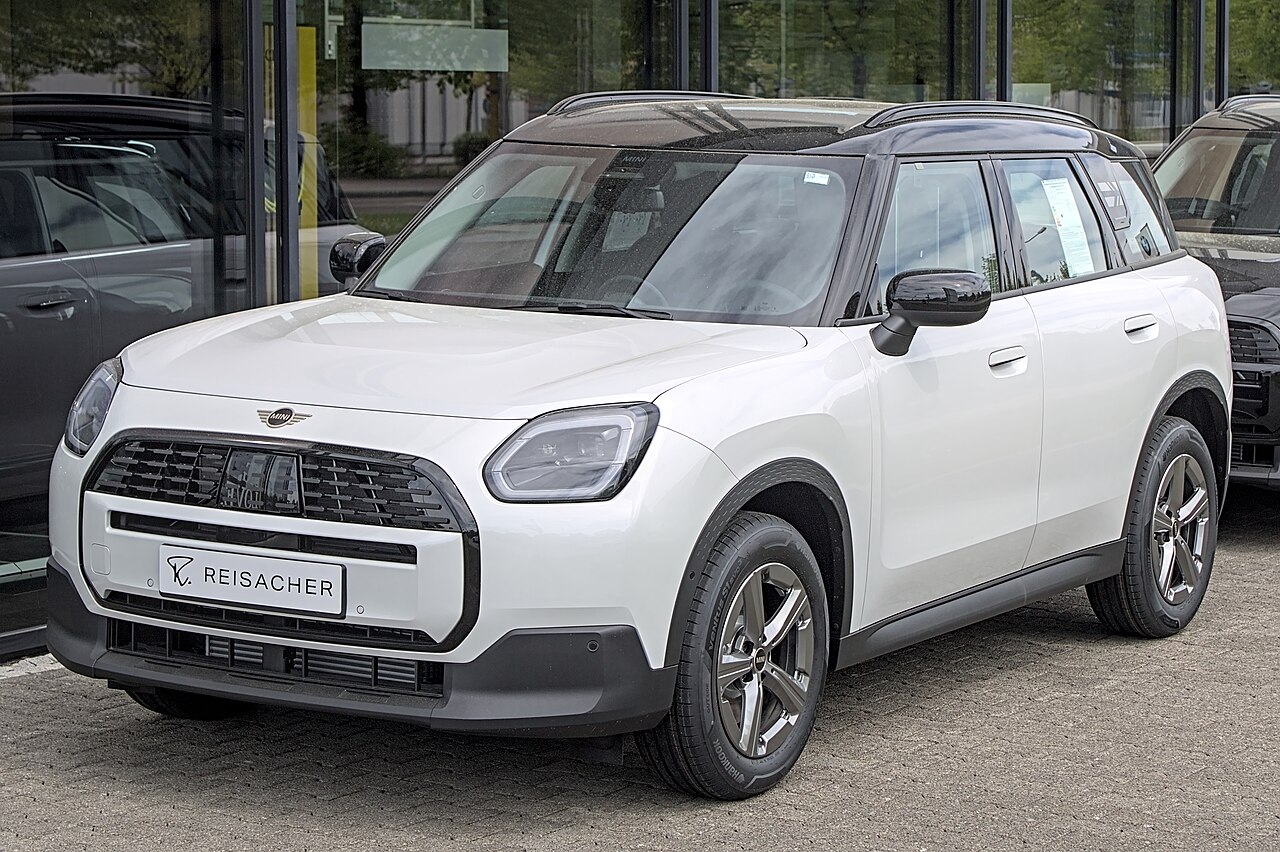
The most personality per dollar in small EVs — 308 hp, standard AWD, and a genuinely joyful cabin.
⚠ 212 miles and 130 kW charging make it a brilliant second car, not a road-tripper.
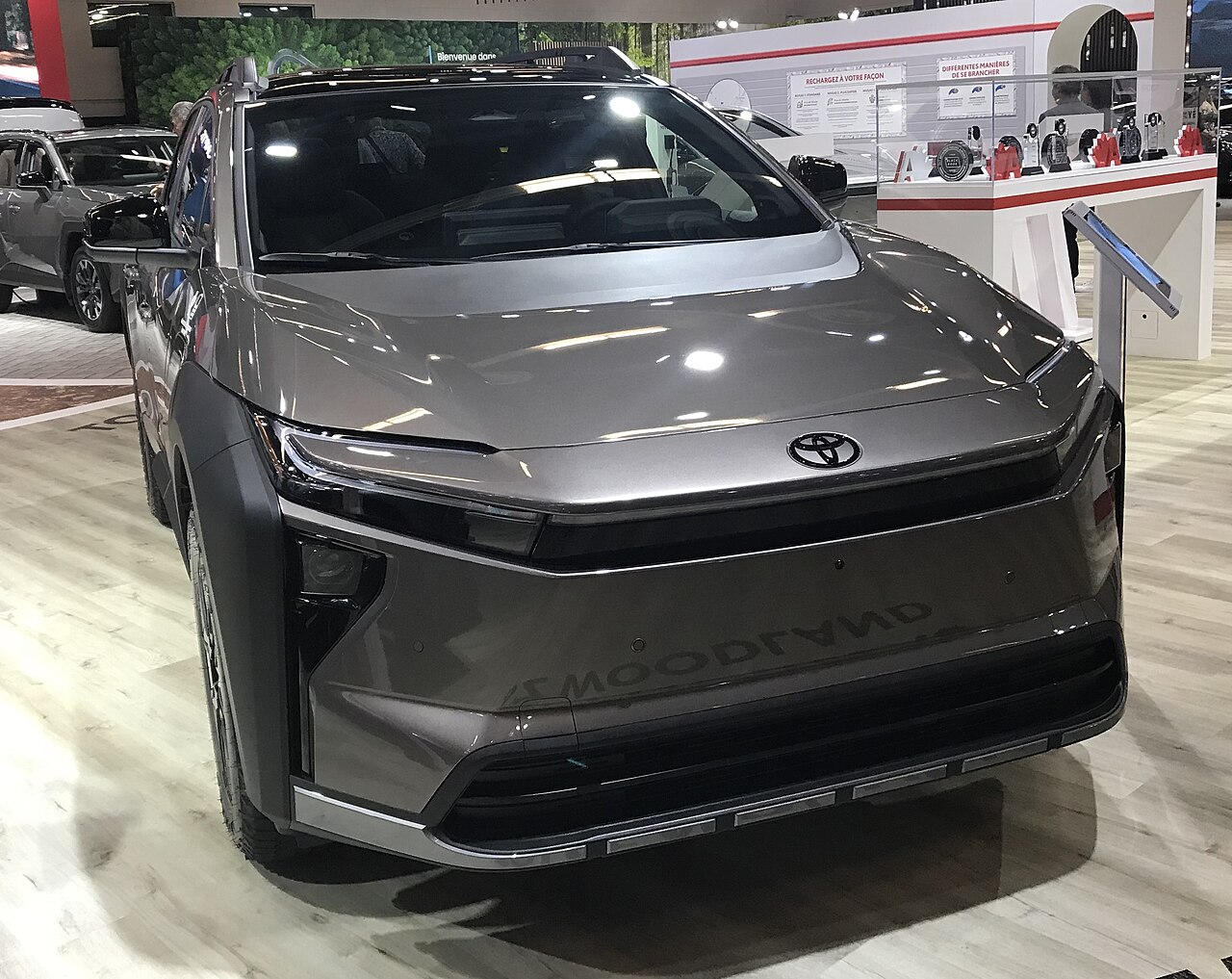
A Toyota-badged electric Outback — standard AWD, 8.4 inches of clearance, 3,500-lb towing, and a native Tesla port.
⚠ 150 kW charging is mid-pack — fine for the cabin-and-trailhead life it’s built for.
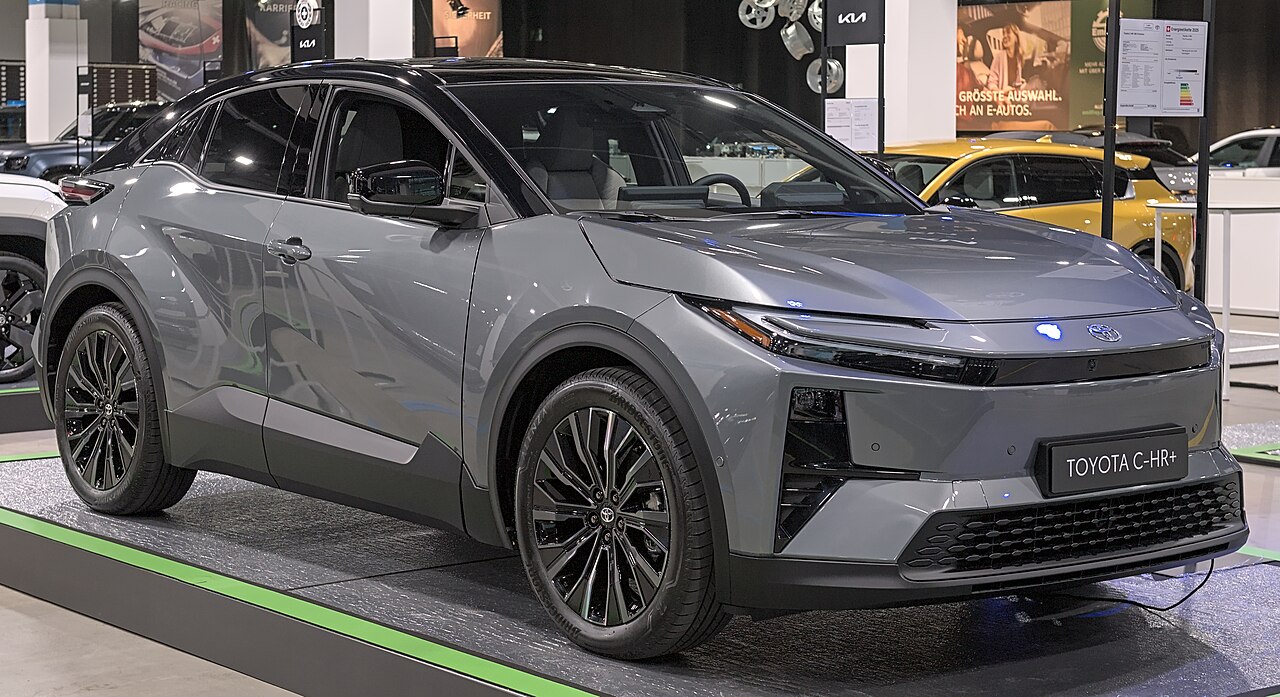
338 hp, 287 miles, standard AWD, and a Tesla plug for under $40k — quietly the best value story of 2026.
⚠ The coupe roofline eats rear headroom and cargo — sit in the back before you buy.
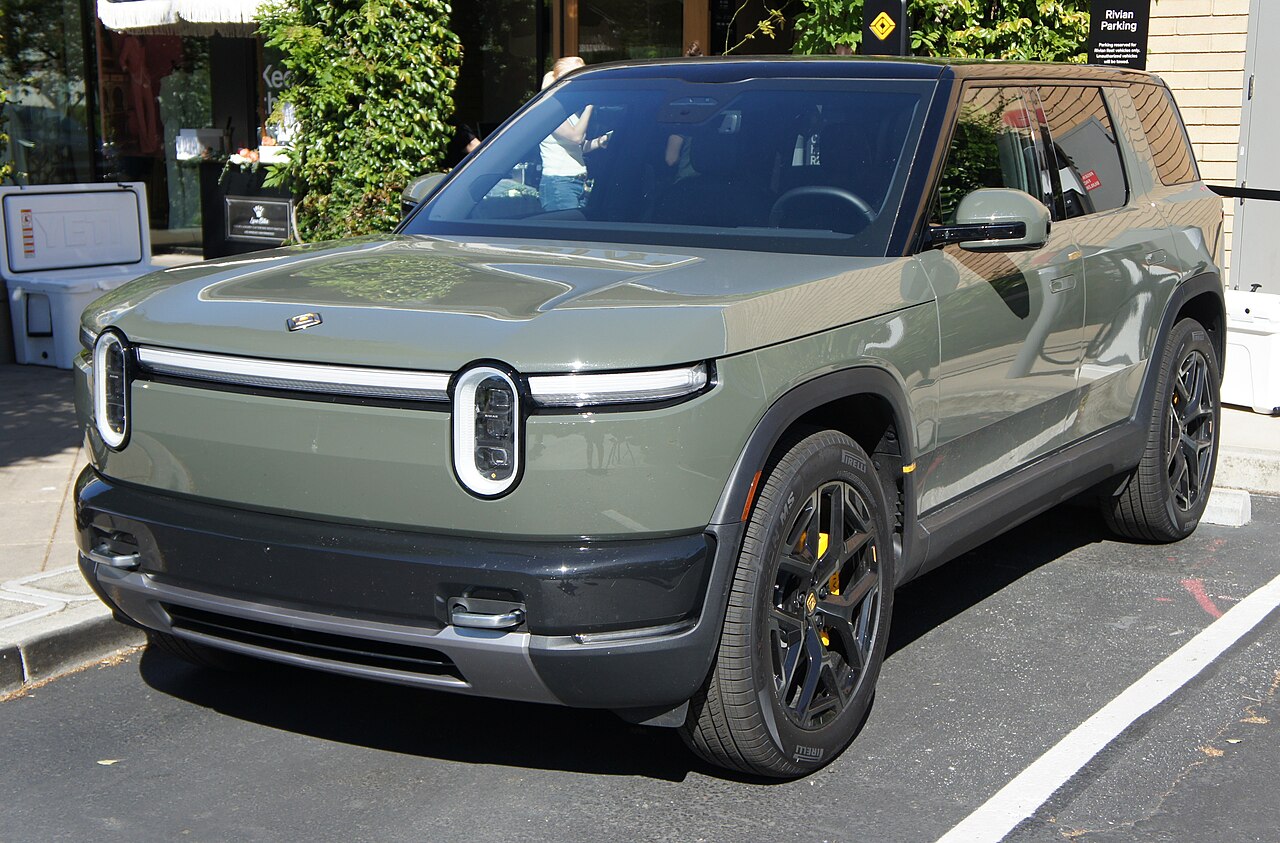
The Model Y’s most credible challenger — 330 miles, native NACS, real off-road chops, and Rivian software done right.
⚠ Only the $57,990 launch config ships today; cheaper Premium and Standard trims come later.
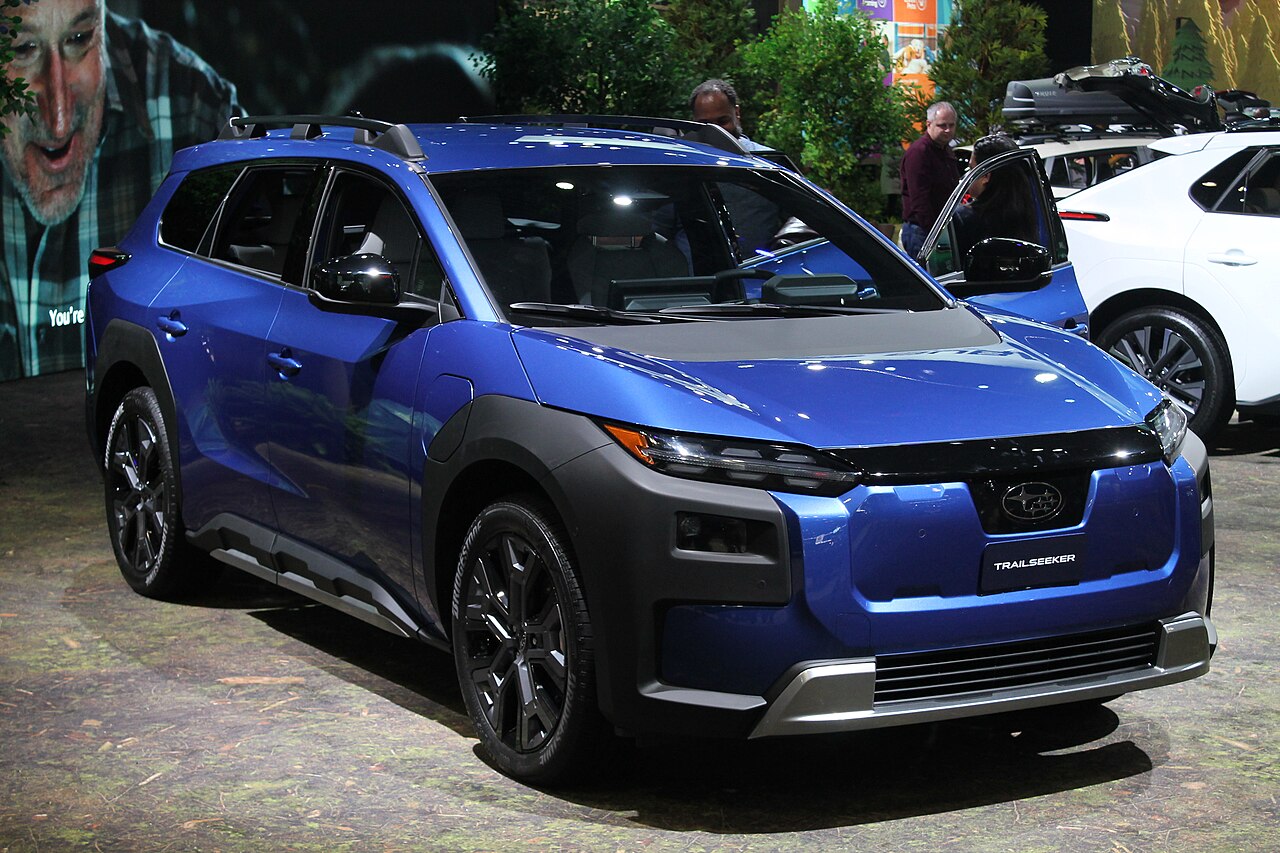
Subaru’s best-selling EV within months of launch — standard symmetrical AWD, 3,500-lb towing, and a native Tesla port under $40k.
⚠ It twins with Toyota’s bZ Woodland — cross-shop both, the discounts differ.
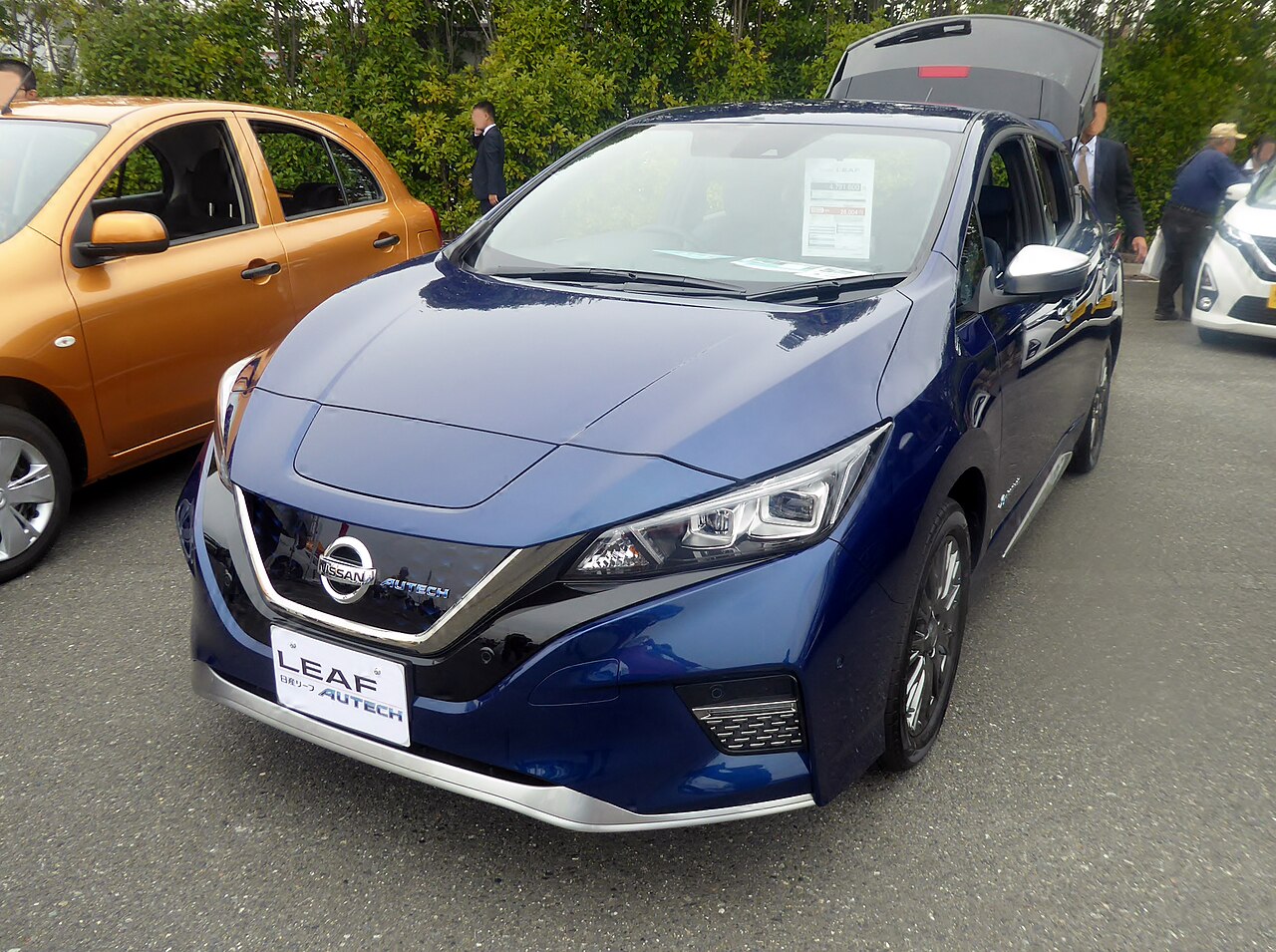
The cheapest way into an EV, period — under $10k buys a 215-mile Leaf Plus with years of service history.
⚠ CHAdeMO fast charging is a dying standard and the air-cooled battery hates hot climates — buy on battery health, not miles.
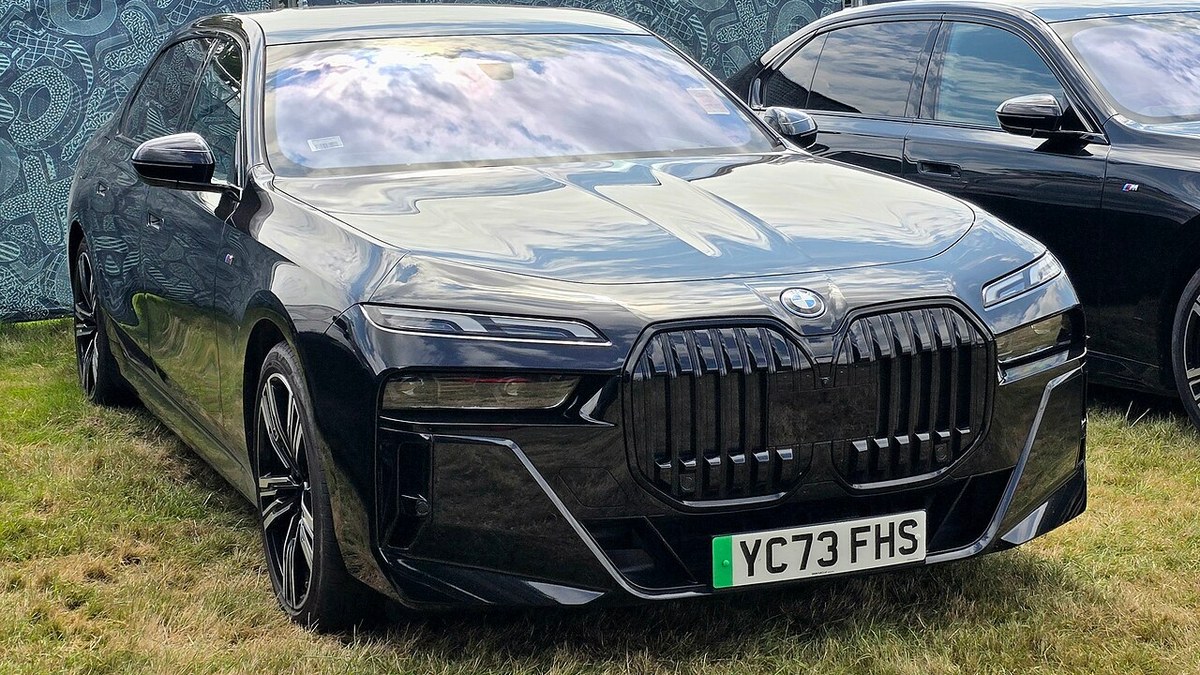
The electric 7 Series: a near-silent 449-hp flagship with limo-grade rear quarters, an available fold-down rear Theater Screen, and up to 314 EPA miles in base eDrive50 form.
⚠ Depreciation is brutal — 2023 cars that stickered near $132K were trading at $62K-$90K by 2025, so buying new means eating roughly half the price in 2-3 years.
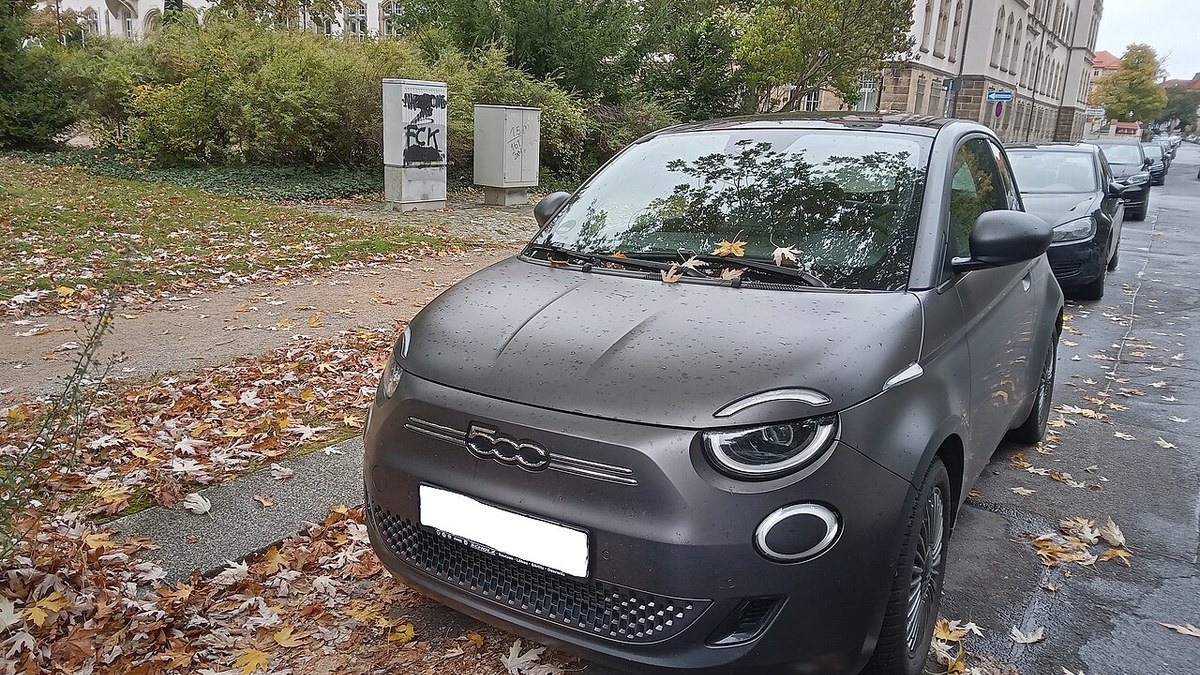
A charming, easy-to-park Italian city runabout with wireless CarPlay and a 149-mile EPA rating that covers a week of urban errands. After 2026's $5,200 price hike it's no longer cheap new — the used market is where it makes sense.
⚠ 141-149 miles of range, a 17% price hike for 2026, and just 68 US sales in Q1 (down 85%) mean real orphan-car risk — thin dealer support and uncertain resale.
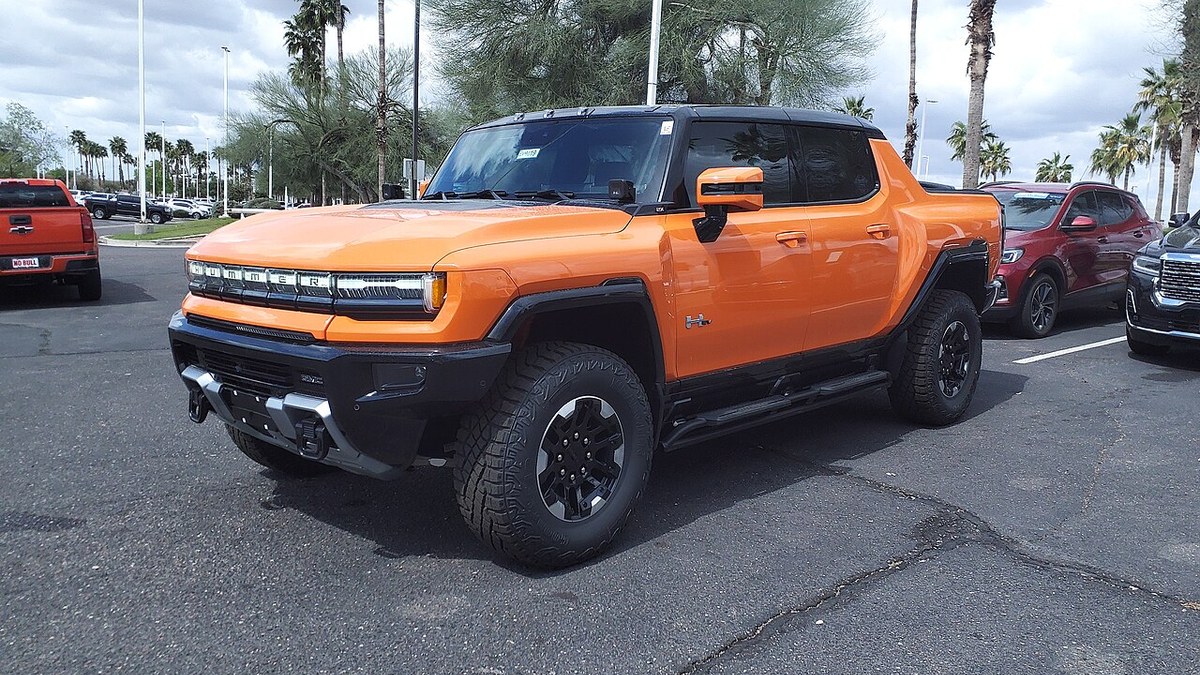
It crab-walks diagonally, hits 60 in about 2.8 seconds, and tows a legitimate 12,100 lbs — a 9,000-lb absurdity that's genuinely capable off-road. Range is 363 GM-estimated miles (too heavy for EPA labeling).
⚠ The least efficient EV on sale — expect roughly half the miles-per-kWh of a normal EV, brutal charging bills, and a truck too wide for many garages.
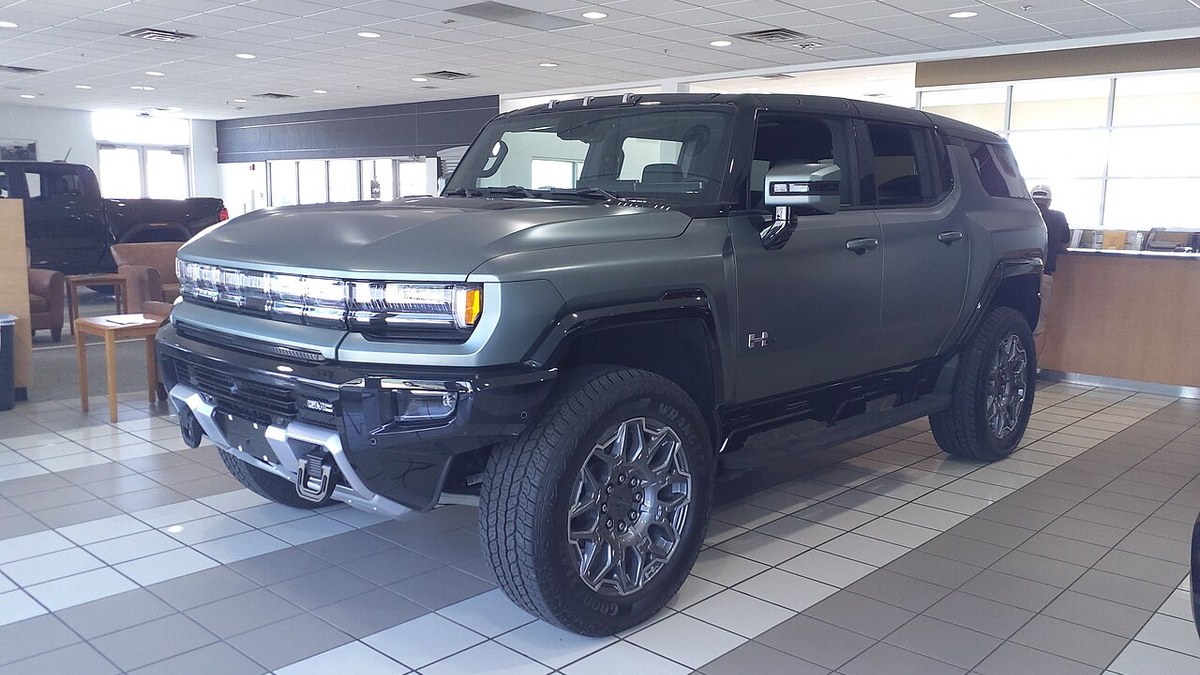
All the Hummer theater — CrabWalk, an 830-hp 3X option, rear-steer that shrinks it around corners — in a shorter body with a real cargo hold. Range is 319 GM-estimated miles.
⚠ Five seats and no third row in a rig this enormous is the tell: you're paying six figures and huge energy bills for presence, not practicality.
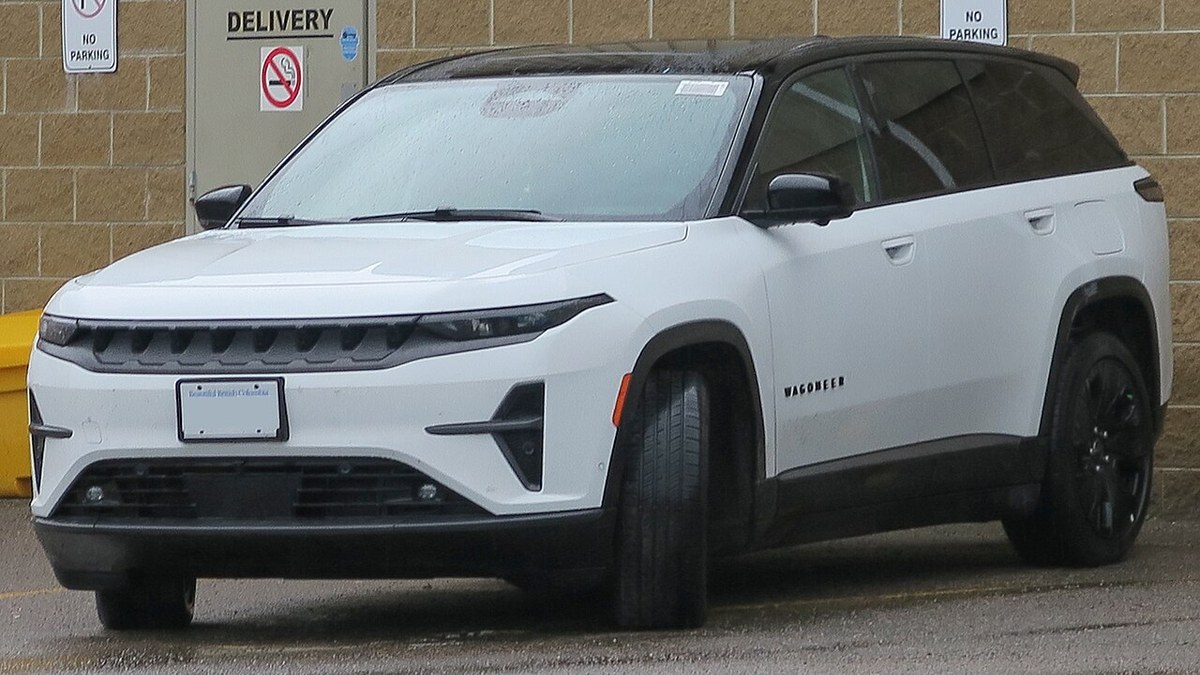
Jeep is skipping the 2026 model year and clearing 2025s with big cash back and 0% APR — a 600-hp-capable luxury EV at a genuine discount, with 294 EPA miles and a 23-minute 20-80% charge.
⚠ Glitch-prone software plus brutal depreciation (used examples average around $38K against a $65K+ sticker) make it a far better used or discounted buy than a full-MSRP one.
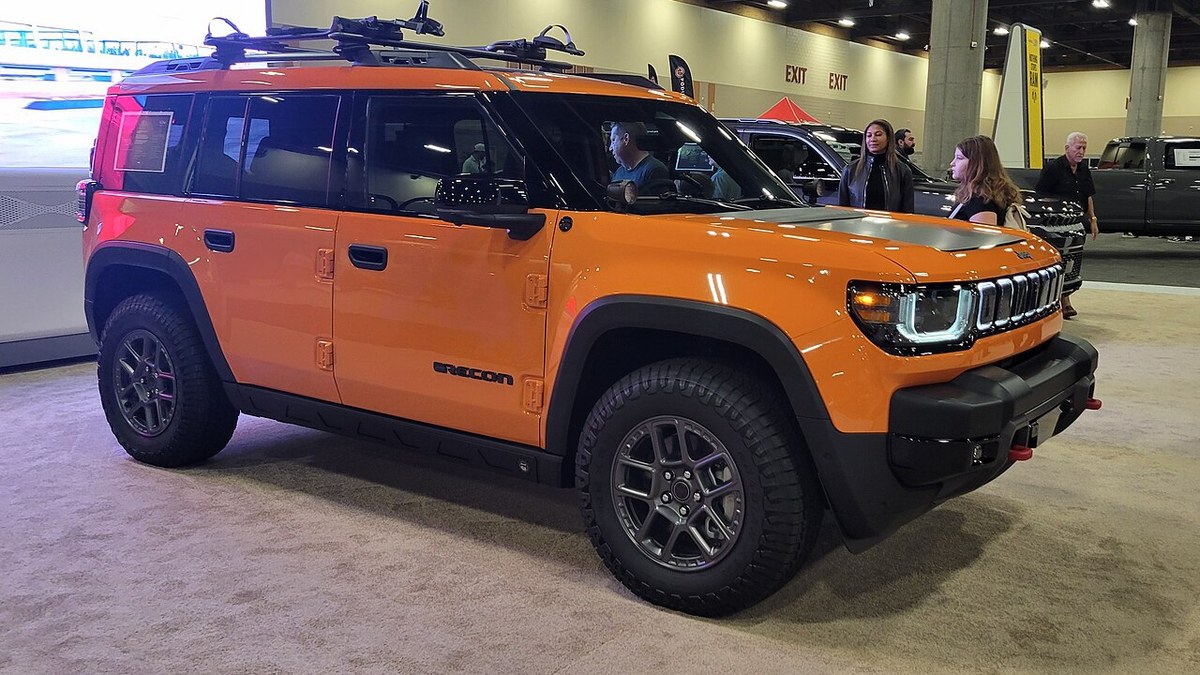
The electric Wrangler-with-a-plug made real: removable doors, swing-gate glass, a rear locker, skid plates, and 650 hp in a Trail Rated EV. Nothing else electric does doors-off off-roading.
⚠ EPA-rated at just 222 miles — and real trail or highway use eats that fast — with only a CCS port and unproven first-year software.
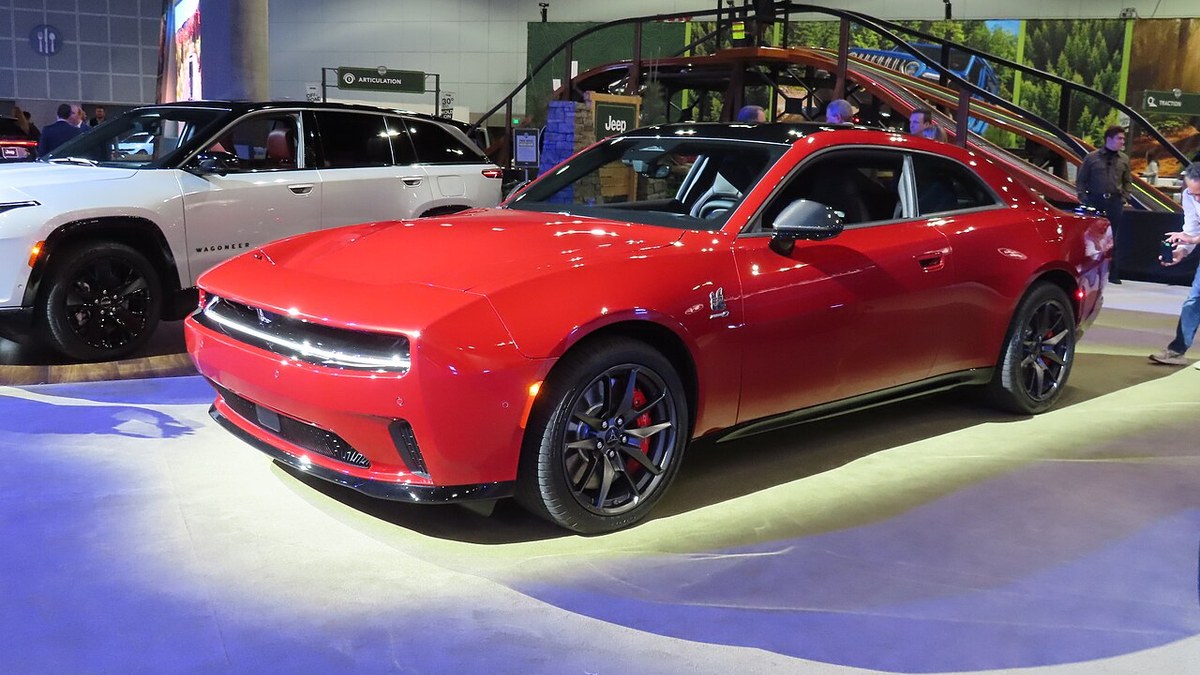
A 670-hp electric muscle car in coupe and sedan form, and for 2026 Dodge cut the Scat Pack's price $5,000 to $59,995 — R/T money for the full-fat car, with range up to 267 miles.
⚠ The efficient 300-mile-class R/T is gone, the software track record is rough, and there's no factory tow rating.
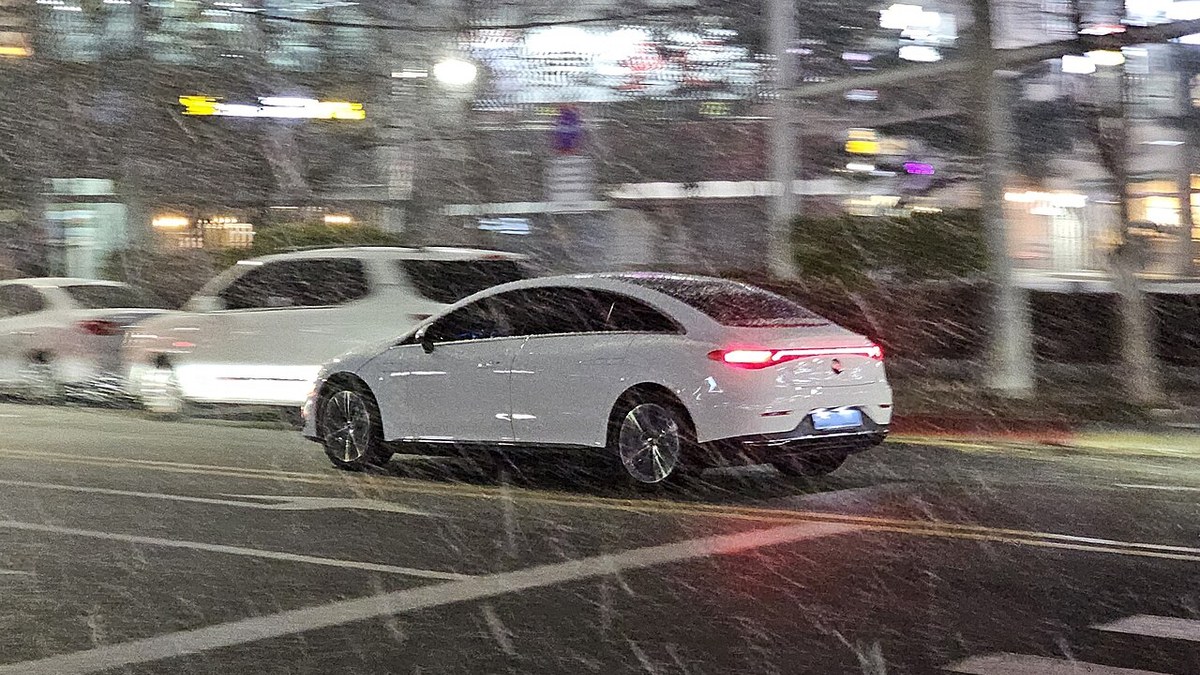
Mercedes cut nearly $10,000 for the final 2026 year, so a 308-mile, whisper-quiet electric E-Class now starts around $65K. The 320+ is the sweet spot: longest range in the lineup at the lowest price.
⚠ Final model year — production ends in 2026 with an electric E-Class successor due in 2027, and the nameplate's already brutal depreciation will get worse once it's orphaned.
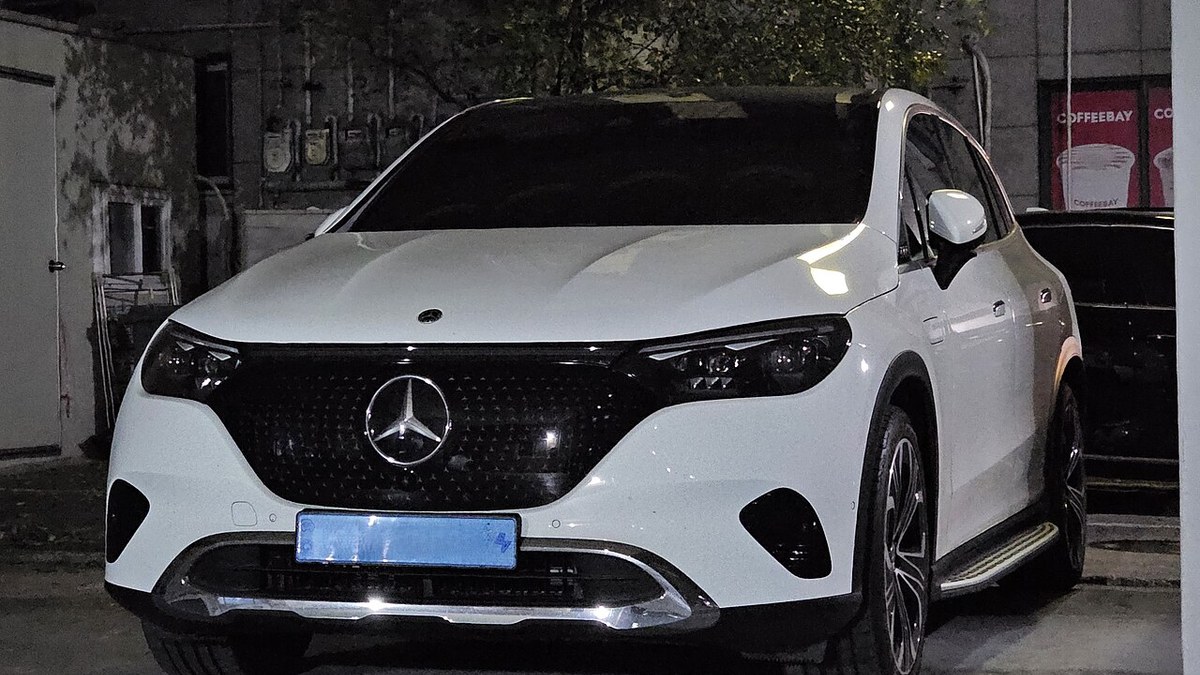
A $12,950 price cut for the final 2026 year puts this plush, Alabama-built luxury EV at the same $64,950 sticker as the sedan — with 302 miles and a 3,500-lb tow rating (4MATIC) the sedan can't match.
⚠ Final US model year — EQ models give way to an electric E-Class family from 2027, so expect steep continued depreciation.
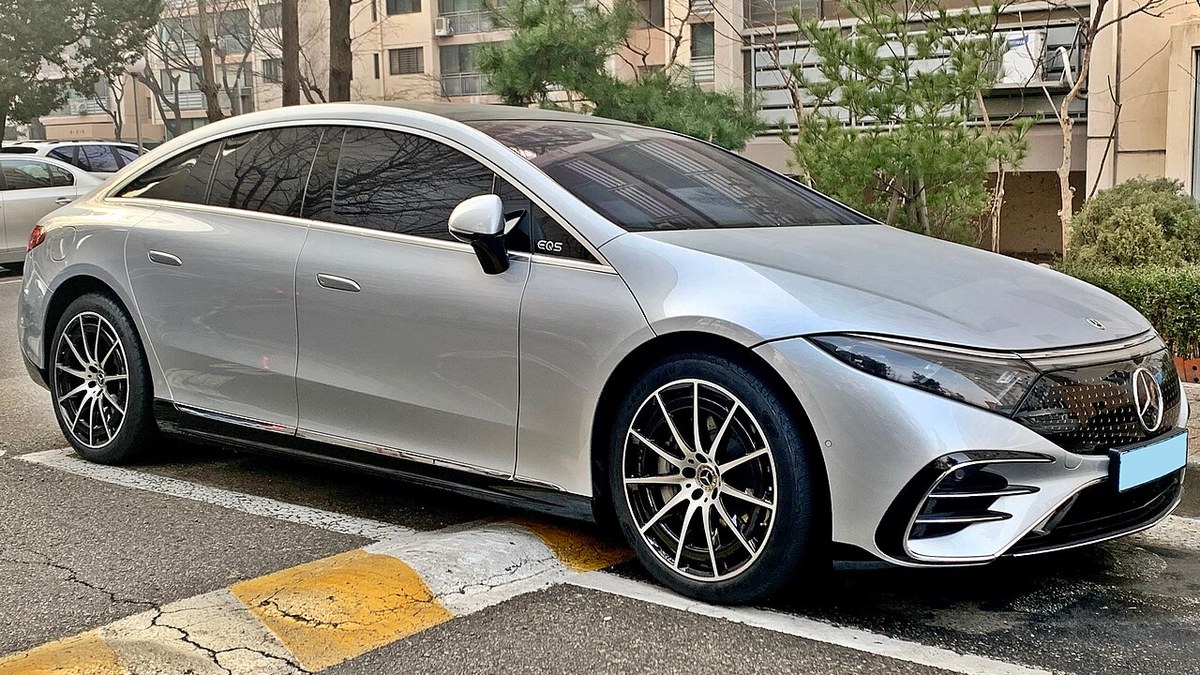
A 390-mile hyperscreen land yacht that now starts under $100K after Mercedes' 2026 price cut — S-Class silence for less than a loaded BMW i7. The 118-kWh 450+ is the range king of the lineup.
⚠ Depreciation is savage — three-year-old EQS sedans have shed 50-60% of MSRP, and an electric S-Class successor is coming, so residuals have no floor.
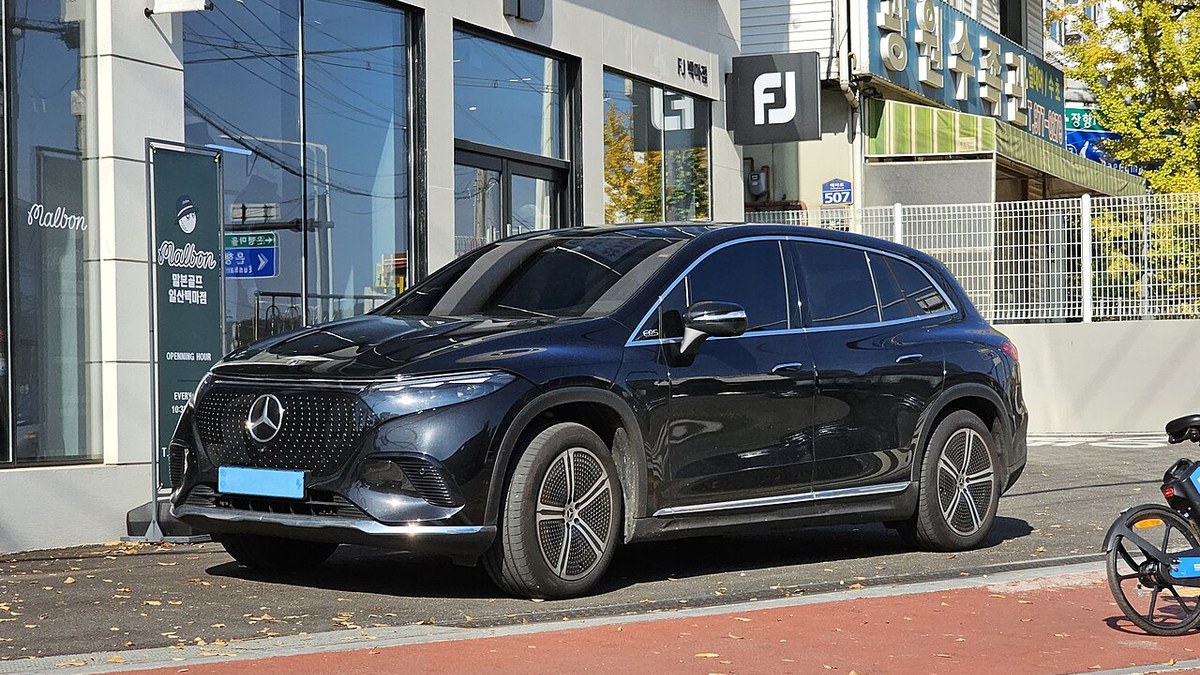
A genuine three-row flagship EV after a $15K-plus price cut for 2026 — under $90K for an S-Class-grade cabin undercuts a BMW iX with more seats.
⚠ EPA range tops out at 317 miles — modest for the money — and EQS-family resale is grim, so lease or buy used rather than betting your own equity on it.
🏆 Ranked in: The Best 3-Row Electric SUVs for Families
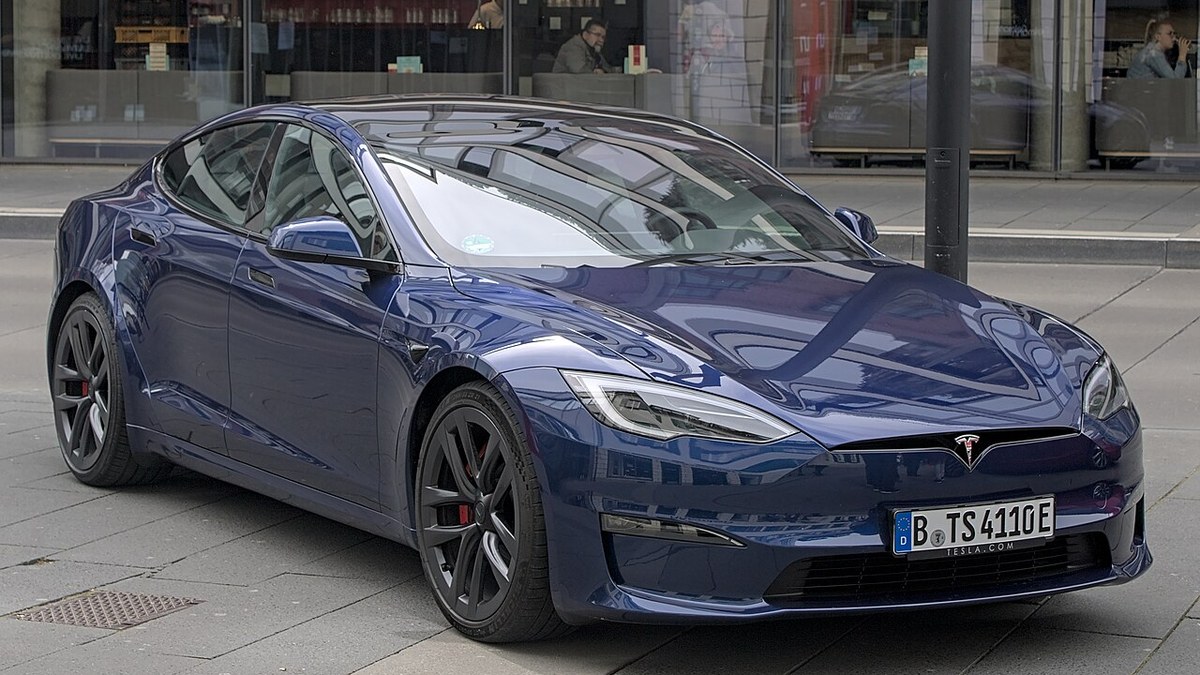
Tesla's discontinued flagship — 405 EPA miles, 670-hp dual-motor AWD, native Supercharging — at a third of what the last new ones sold for. Post-discontinuation, the used fleet is enormous.
⚠ Discontinued in 2026, so no new ones are coming and long-term parts support is a bet on Tesla's goodwill. ~$46k buys a 2021+ refresh car (the 405-mile config). Pre-2020 cars run far cheaper but have less range and need Tesla's $450 retrofit before a CCS adapter works.
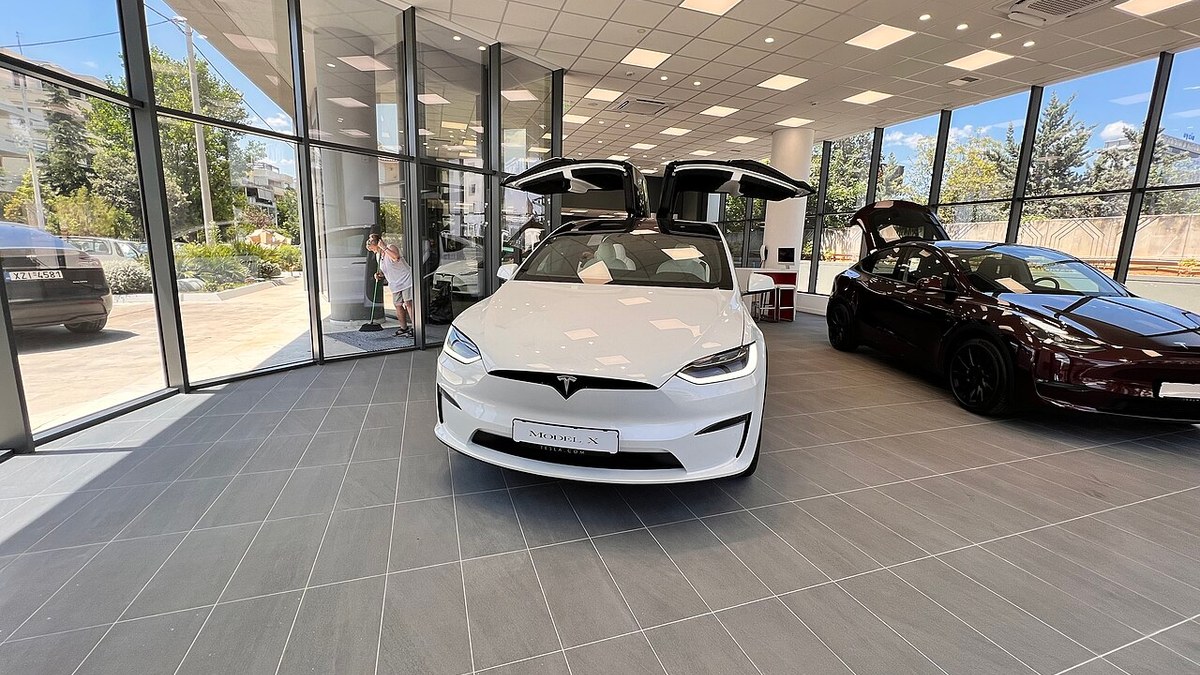
The only Tesla three-row SUV there will ever be, now discontinued and selling used at roughly half its new price — with a real 5,000-lb tow rating no other used Tesla offers.
⚠ Discontinued in 2026 with no successor — and out-of-warranty falcon-door repairs commonly run $400-$1,500 per door. ~$56k buys a 2022+ refresh car (348-mile config, 20-inch wheels). 2016-2017 cars start around $23k but bring first-gen door gremlins and the $450 CCS-retrofit question.
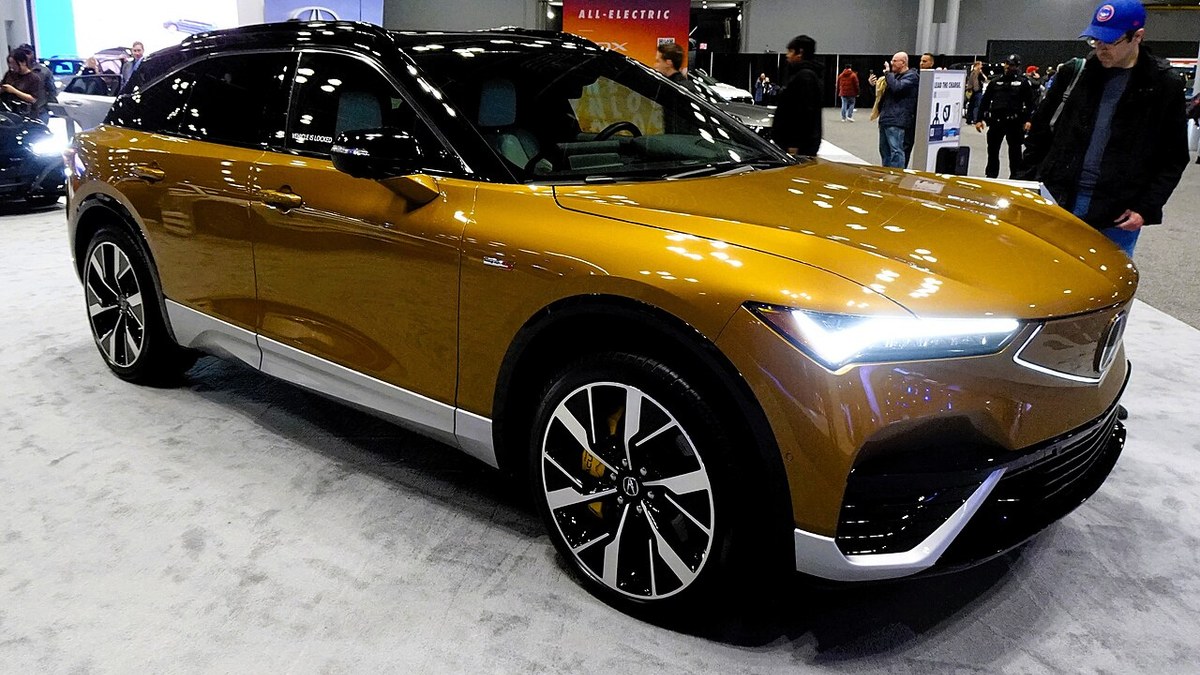
A $65K luxury SUV on GM Ultium bones selling used in the low $30Ks after barely a year — near-new range, wireless CarPlay, and Acura dealer service for Chevy Equinox money. Confirm the radio-module recall reflash is done.
⚠ Production ended abruptly in September 2025, so it's an orphan platform — Acura promises parts and warranty support, but software updates need dealer visits and Tesla charging needs the $225 adapter.
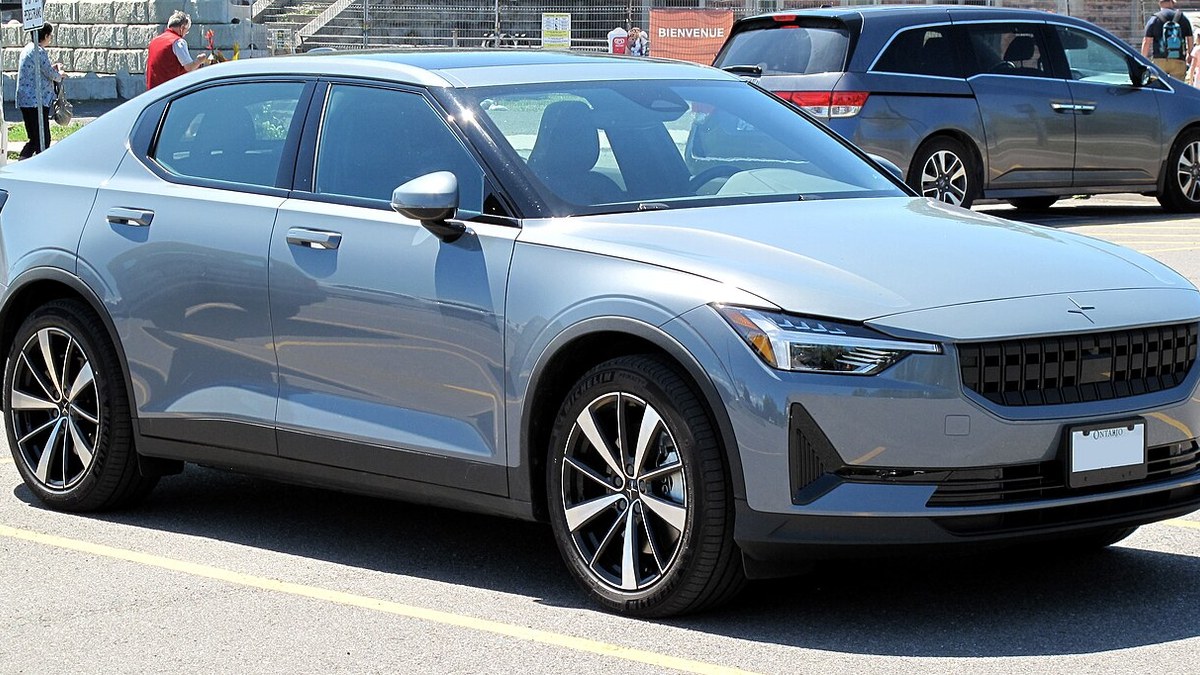
Scandinavian-solid interior, Google-native infotainment, and Volvo bones at less than half original sticker — around $19K buys a 2023 Long Range Single Motor (270 EPA miles).
⚠ Polestar is out of the US market after 2026 (tariff casualty), so you inherit a below-average reliability record on a brand with a thin service network that just lost its reason to grow. Supercharging needs the $230 adapter.

The cheapest genuinely fun EV in America — go-kart steering and a premium cabin for $15-19K. As a second car for city duty it's a steal. Confirm the high-voltage battery-module recall inspection was done.
⚠ 114 miles of range and 50 kW charging make it strictly a city car, and this generation is orphaned — the successor is China-built and indefinitely deferred from the US.
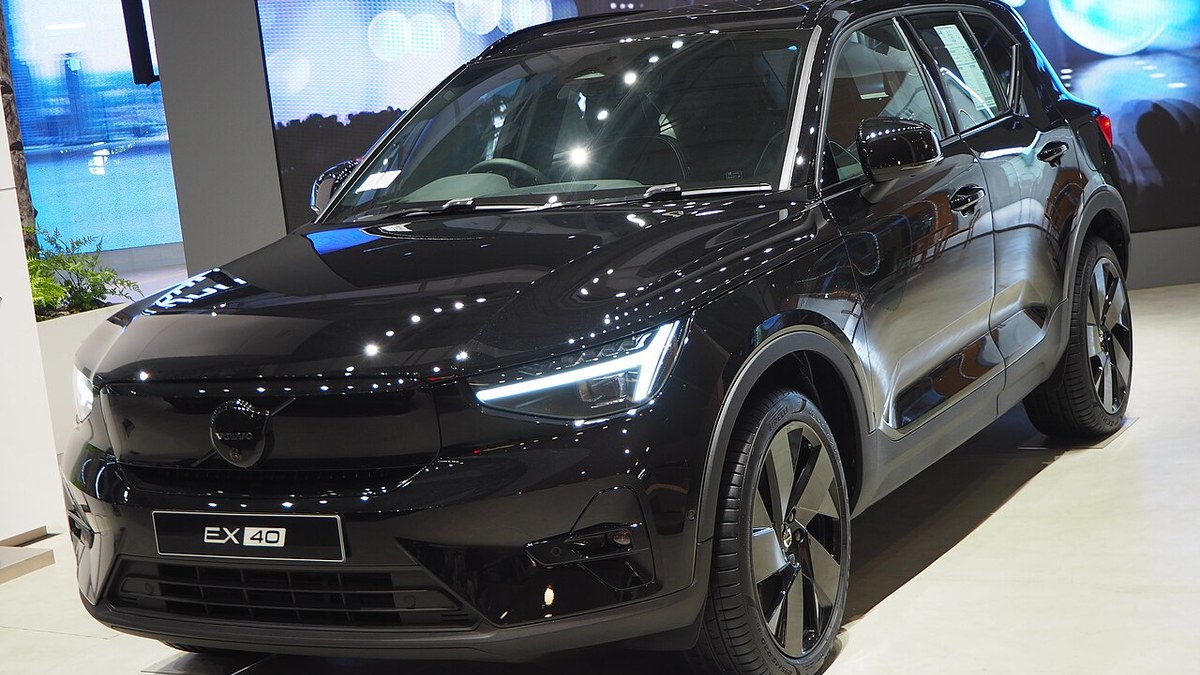
The renamed XC40 Recharge is a mature, safety-first compact luxury EV with up to 296 miles of EPA range and Google built-in that actually works — the rare small luxury EV with years of real-world track record.
⚠ Still a CCS port (Supercharging needs the included adapter), and ~28-minute 10-80% charging is midpack at this price.
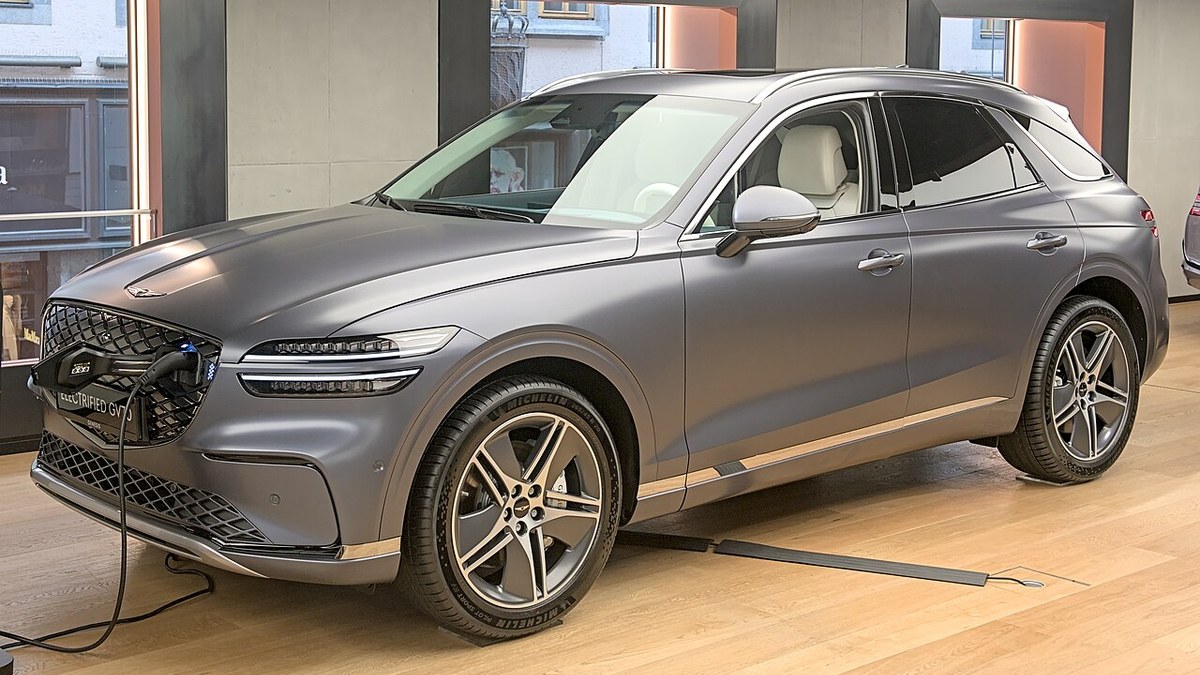
The 2026 refresh fixes this luxury EV's two weak points: a native heated NACS port and a bigger 84-kWh battery pushing EPA range to 263 miles — with 429-hp AWD and 19-minute 800V charging standard.
⚠ Sold in only 36 states and, in Genesis's own words, in 'limited quantities' — many buyers can't get one locally, and range still trails cheaper rivals.
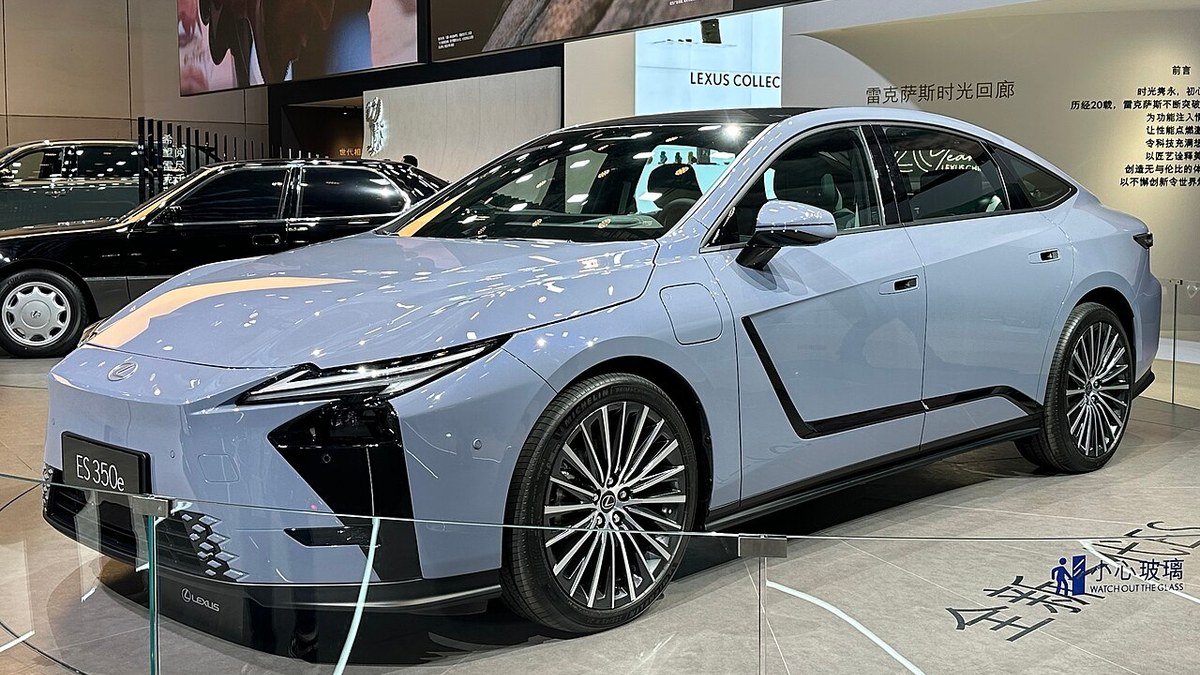
Lexus's first electric ES pairs the brand's best-in-industry dependability reputation with 307 miles of EPA range and a native NACS port for under $50K.
⚠ A first-year, first-generation EV carries unknowns, and 150-kW peak charging is slow next to 800V rivals.
This is a curated catalog, not a census. It covers the 76 EVs we've verified and would actually put in front of a buyer: mainstream new models a US shopper can cross-shop today, plus a handful of standout used deals. Every entry's price, range, and charging specs are checked against manufacturer and EPA data (last updated 2026-07).
What you won't find here: exotics and halo cars that start north of about $120k, fleet-only vehicles, and models you can no longer buy new or find in meaningful used supply. When in doubt, we'd rather leave a car out than publish specs we haven't verified.
Driving something we skipped? Tell us what's missing — the catalog grows as the market does.
Shopping for what is coming rather than what is on sale today? The new electric cars hub tracks every model unveiled for the US market, with verified prices and dates, and is refreshed monthly.
Specs come from our verified EV catalog (data updated 2026-07) — the same data that powers our matchmaker and rankings. No sponsorships, no pay-to-rank. Prices are approximate US base MSRP (used prices are typical market entry points); ranges are EPA-rated lineup maximums. Editorial opinion provided "as is," not purchase advice; specs vary by trim and model year — verify with the manufacturer. Not affiliated with or endorsed by any automaker. Some links may earn us a commission; see our affiliate disclosure.
Interactive pickers and living rankings. Each ranking page is rebuilt from our verified EV catalog whenever we update it — one data refresh updates every list.