


The best phone you can buy as of October 12, 2026 is the iPhone 18 Pro Max, $1,299. It sits first in Tom’s Guide’s ranking after lasting 18 hours 27 minutes on that lab’s battery test, GSMArena’s separate test gave it an active-use rating of 19 hours 20 minutes, and CNET scores the iPhone 18 Pro pair 9.3, level with the Galaxy S26 Ultra. It comes with one warning: Apple has confirmed a fault that can cut off service on some iPhone 18 Pro Max phones on AT&T.
Three cheaper answers hold up on the same kind of measurement: the iPhone 17 at $929 ($899 with carrier activation), the Google Pixel 10a at $599, and the Moto G (2026) at $299.99, which outlasted every phone named above on Tom’s Guide’s battery test.
Prices are what moved this fall. Apple raised its carried-over iPhones by $100 on September 9, Samsung raised the Galaxy S26 line in the week of September 28, and Google raised the Pixel 10a from $499 to $599 on October 2. Every current price below was read on the maker’s own store on October 12, 2026, and promotions are labeled as promotions because they end. The Amazon links are affiliate links and the site may earn a commission.
Quick picks
- Best overall: iPhone 18 Pro Max, $1,299. First at Tom’s Guide, 18 hours 27 minutes of tested battery. On AT&T, read the warning in its section first.
- Best for most people: iPhone 17, $929 ($899 with carrier activation). CNET’s “Best iPhone,” 12 hours 47 minutes.
- Budget iPhone: iPhone 17e, $699. 12 hours 35 minutes.
- Best Android: Samsung Galaxy S26 Ultra, $1,399.99 list. Samsung’s store showed $1,199.99 with a promotion on October 12.
- Best Android value: Google Pixel 10, $799. At 128GB it costs $100 less than the newer Pixel 11, which it outlasted on Tom’s Guide’s test.
- Best midrange: Google Pixel 10a, $599. 15 hours 16 minutes, and $100 dearer than it was in September.
- Best under $300, and the longest battery among these picks: Moto G (2026), $299.99 list. 19 hours 11 minutes, with only two years of Android updates; Motorola’s store showed $249.99 on October 12.
- Flip phone: Motorola Razr Ultra 2026, $1,499.99. 16 hours 20 minutes with 512GB; the Galaxy Z Flip8 starts $300 lower with 256GB.
- Book-style foldables: Samsung Galaxy Z Fold8 Ultra, $2,099.99 list, or Motorola razr fold, $1,899.99 list. Tom’s Guide’s top foldable measured 14 hours 33 minutes; the razr fold measured 14 hours 44 minutes and was $1,699.99 on Motorola’s store on October 12.
- No longer a pick: OnePlus 15. It still holds Tom’s Guide’s battery record, and OnePlus’s U.S. store sold out of it in August.
The numbers that predict whether you’ll be happy
Phone marketing leads with chip names and camera megapixels. Three plainer numbers say more about whether you will still like the phone in a year.
Measured battery runtime, not milliamp-hours. Battery capacity tells you the size of the tank, not how far the phone goes on it. Tom’s Guide writes that “The average phone runs out of juice after about 11 hours in our test, while devices with the best phone battery life we’ve tested tend to reach the 16-hour mark.” The picks in this guide run from about 12 hours to more than 19 on that test.
Software years, in writing where you can get them. Google prints “7 years of new features and updates” on the Pixel 10’s store page, and its footnote counts them “from when the device first became available on the Google Store in the US,” not from the day you buy. CNET reports that Samsung’s Galaxy S26 “gets seven years of software and security updates.” For iPhones, Tom’s Guide says iOS updates “generally provide five years of support.” At the other end, Tom’s Guide’s reviews say the Moto G (2026) and the Moto G Power 2026 each get two years of Android updates and a third year of support, a policy the reviews call “stingy” and “skimpy.” When two phones tie on hardware, buy the longer promise.
The price with and without the footnote. Apple’s “Buy from $899” tile for the iPhone 17 includes a $30 discount that requires carrier activation; without it the phone is $929. Samsung’s and Motorola’s stores were both running promotions on October 12 that undercut their own list prices. The scoreboard uses list prices and notes the promotions, so nothing expires out from under you. Review and ranking pages lag behind price changes, and several of the pages cited here still print September’s prices, so every current price in this guide comes from a maker’s store or from a dated report of a price rise.
The scoreboard
Prices are the makers’ own, read October 12, 2026. Battery figures are labeled by lab because the tests differ: Tom’s Guide sets the display to 150 nits and runs “a script that simulates normal web surfing over cellular connectivity until the phone runs out of power,” while GSMArena’s Active Use Score combines a call test, a web browsing test, a video streaming test and a gaming test. The two columns are never compared with each other here.
| Phone | Maker’s list price (storage) | Tom’s Guide battery test (hours:minutes) | GSMArena Active Use Score | Notable |
|---|---|---|---|---|
| iPhone 18 Pro Max | $1,299 (256GB) | 18:27 | 19:20h† | AT&T service fault on some units |
| iPhone 17 | $929 (256GB; $899 with carrier activation) | 12:47 | not cited here | CNET’s best phone for most people |
| iPhone 17e | $699 (256GB) | 12:35 | not cited here | cheapest new iPhone |
| Galaxy S26 Ultra | $1,399.99 (256GB; promo $1,199.99) | 16:10* | 16:23h | full charge in 43 minutes on a 60W charger |
| Pixel 10 | $799 (128GB) | 13:13 | not cited here | 5x telephoto camera |
| Pixel 10a | $599 (128GB) | 15:16 | not cited here | rose $100 on Oct 2 |
| Moto G (2026) | $299.99 (128GB; sale $249.99) | 19:11 | not cited here | two years of Android updates |
| Moto G Power 2026 | $399.99 (128GB) | 18:22 | not cited here | costs more than the Moto G, lasts less |
| Galaxy Z Fold8 Ultra | $2,099.99 (256GB; promo $1,899.99) | 14:33 | not cited here | Tom’s Guide’s best foldable overall |
| Motorola razr fold | $1,899.99 (512GB; sale $1,699.99) | 14:44 | not cited here | 11 minutes longer than the Fold8 Ultra |
| Motorola Razr Ultra 2026 | $1,499.99 (512GB) | 16:20 | not cited here | longest-lasting foldable Tom’s Guide has tested |
| Galaxy Z Flip8 | $1,199.99 (256GB) | 12:50* | not cited here | charging capped at 25W |
| OnePlus 15 | sold out at OnePlus’s U.S. store (reported August 3) | 25:13 | 23:07h | Tom’s Guide’s battery record |
Where the GSMArena column says not cited here, this guide’s sources do not include a GSMArena score for that model; it does not mean none exists. †GSMArena reviewed the nano-SIM version of the iPhone 18 Pro Max, which it says has a smaller battery than the eSIM-only version; Apple lists the U.S. among its eSIM-only markets.
*Tom’s Guide’s own pages disagree on three of these figures. Its Flip8 review prints 12:50 in its comparison table and “12 hours and 5 minutes” in its text, but the same sentence says the phone edged out the Flip 7, which the table lists at 12:24, “by under half an hour.” Only 12:50 does that, so this guide uses 12:50. For the Galaxy S26 Ultra, Tom’s Guide’s ranking and its foldable reviews print 16:10, and its iPhone 18 Pro battery article prints 16:40; this guide uses 16:10. For the Galaxy Z Fold8 Ultra, the ranking’s spec box prints 14:43, while the review’s text and its comparison table say 14:33; this guide uses the review’s 14:33.
Best overall: iPhone 18 Pro Max
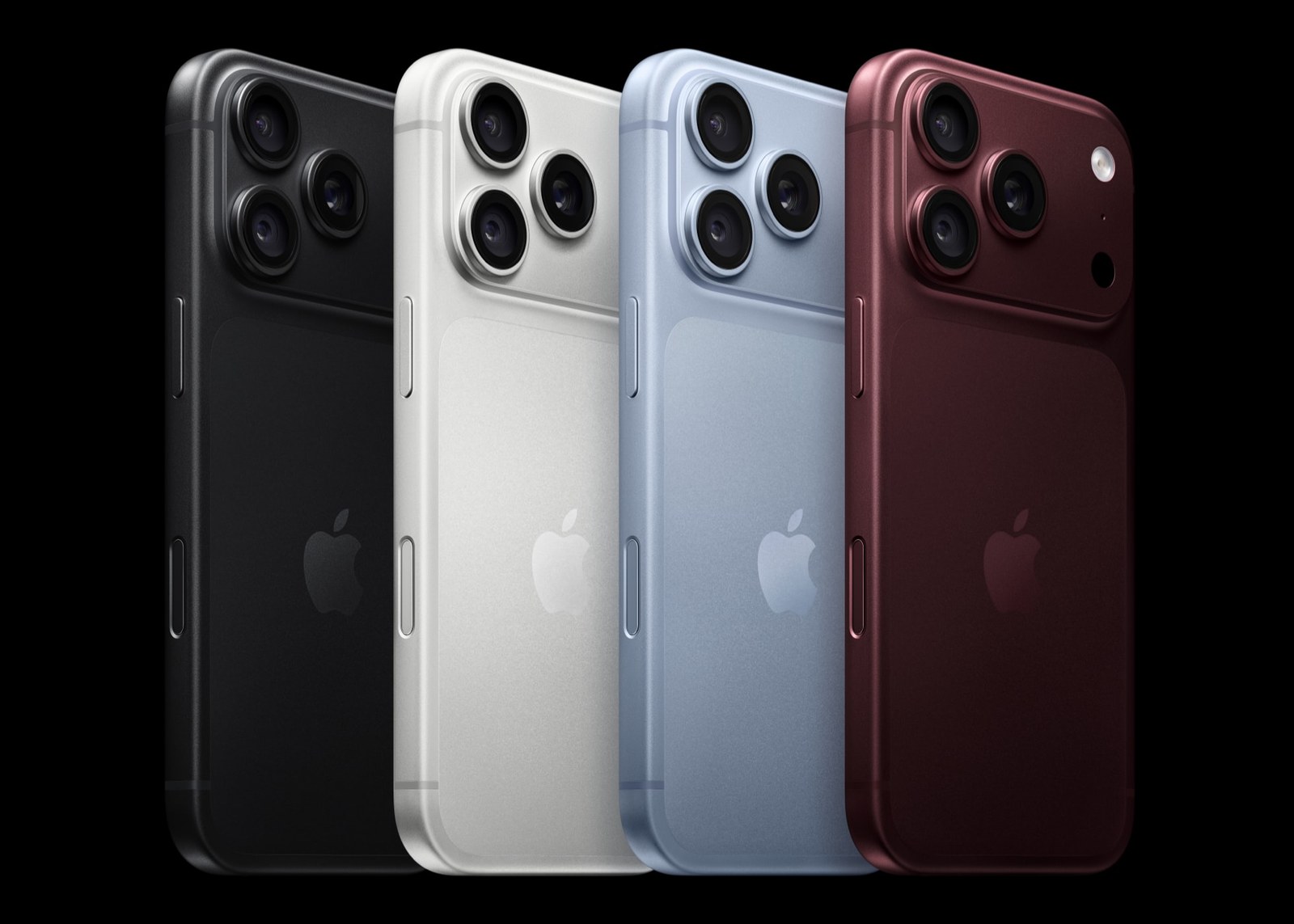
Tom’s Guide ranks the iPhone 18 Pro Max first and calls it “an iterative update this time around” that “still overpowers the rest of the pack to take the top spot.” On its battery test the phone lasted 18 hours 27 minutes, 33 minutes longer than the iPhone 17 Pro Max it replaces, which the site called “a modest 3.1% increase.” On the nano-SIM version it reviewed, GSMArena measured an Active Use Rating of 19 hours 20 minutes, and with a third-party 67W charger it reached 50 percent in 15 minutes and a full charge in 55 minutes. CNET scores the 18 Pro and 18 Pro Max together at 9.3 and calls them “photography powerhouses.”
On camera, DXOMark gives the smaller iPhone 18 Pro 172 points and calls its variable aperture “a particular strength.” That is three points short of the 175 it gives Huawei’s Pura 80 Ultra. Tom’s Guide names one camera weakness for the Pro Max: “We still fall short in zoom photography, with the Samsung Galaxy S26 Ultra still doing a better job with far-away subjects.”
Apple lists the 6.9-inch Pro Max at $1,299 with 256GB and the 6.3-inch iPhone 18 Pro at $1,199. The smaller phone lasted 16 hours 17 minutes on the same test, so the extra $100 buys the bigger screen and 2 hours 10 minutes.
The AT&T warning. Apple told 9to5Mac on October 2: “We have identified an issue affecting a small number of iPhone 18 Pro Max users on the AT&T network that may cause a device to lose service and be unable to make calls.” Apple says iOS 27.0.1 and a carrier settings update “are meant to help prevent this issue from occurring”; a phone that has already lost service, 9to5Mac reports, “will need a hardware replacement,” and its owner should contact Apple Support or AT&T. MacRumors writes that “Thousands of users complained about the issue,” that Apple has only observed it on the iPhone 18 Pro Max on the AT&T network, and that Apple did not disclose the cause. U.S. Pro Max models use a Qualcomm modem where the smaller iPhone 18 Pro uses Apple’s own C2, though MacRumors says it is “unclear if this modem difference is a factor.”
If you are on the AT&T network, the smaller iPhone 18 Pro, which 9to5Mac reports “is unaffected by these AT&T connectivity issues,” is the cautious choice. If you buy the Pro Max anyway, install iOS 27.0.1 and the carrier settings update, which 9to5Mac says you can trigger by “going to Settings, choosing General, then About.” The details are in the AT&T no-service story, and the which-iPhone guide compares every model Apple sells.
Last year’s iPhone 17 Pro, which Apple discontinued on September 9, measured 15 hours 21 minutes on the same test and is now a renewed-market phone.
Buy from Apple · Renewed Premium iPhone 17 Pro on Amazon
Best for most people: iPhone 17
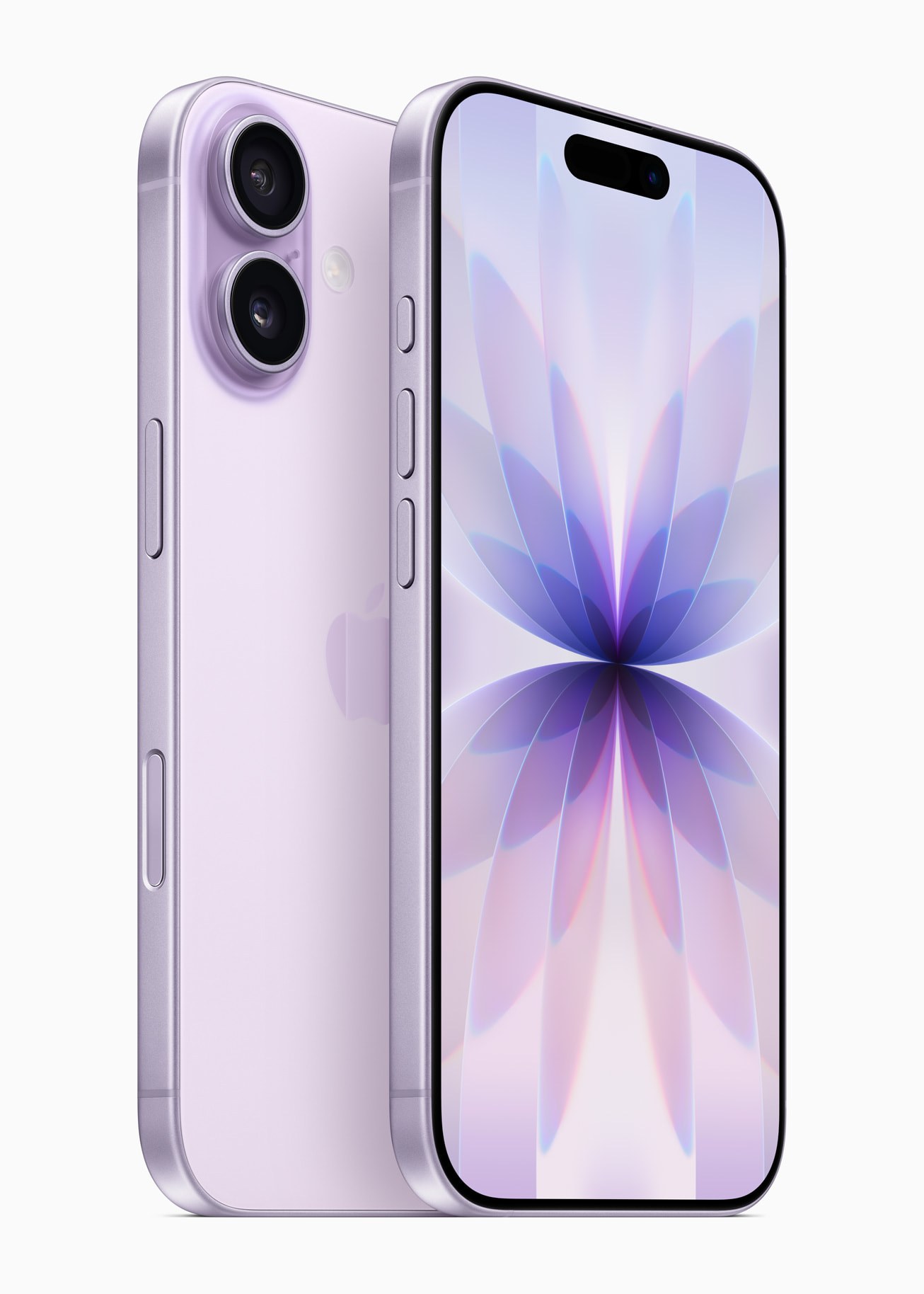
The standard iPhone 17 is the value consensus. CNET names it “Best iPhone” at 9.1 and writes that “the best phone for most people right now is the iPhone 17.” Its reviewer goes further in the entry for the new Pros: “I genuinely think most people would be better served by grabbing an iPhone 17, even at its higher $929 starting price, than one of the new Pros.” Tom’s Guide lists it as its iPhone value pick, with “Much smoother 120Hz refresh rate” and “Double the storage capacity” among its reasons to buy. Apple sells it with 256GB for $929, or $899 if you activate with a carrier at checkout.
The tradeoff is endurance: 12 hours 47 minutes on Tom’s Guide’s test is 5 hours 40 minutes short of the Pro Max. If battery anxiety rules your life, spend up or look at the Android picks. It is also $100 dearer than it was before September 9. Apple did not announce a standard iPhone 18 in September; Tom’s Guide writes that “the base iPhone 18 and iPhone 18e” are “expected to launch in early 2027,” which is an outlet’s expectation and not an Apple date. One software caveat from the same outlet: on iOS 27, “some features aren’t available on the iPhone 17.”
Buy from Apple · Renewed on Amazon
Budget iPhone: iPhone 17e
The $699 iPhone 17e is the cheapest new iPhone, and it costs the same with or without carrier activation. Tom’s Guide measured 12 hours 35 minutes, 12 minutes behind the iPhone 17, and lists “Stagnant camera hardware” and “Outdated screen tech” as its reasons to avoid. It also rose $100 on September 9, and Tom’s Guide expects an iPhone 18e in early 2027.
The step up to the iPhone 17 is $200 to $230, depending on carrier activation, and it buys the 120Hz screen. The step sideways is worth a look too: at $599 the Pixel 10a costs $100 less and lasted 2 hours 41 minutes longer on the same lab’s test.
Buy from Apple · Renewed on Amazon
Best Android: Samsung Galaxy S26 Ultra
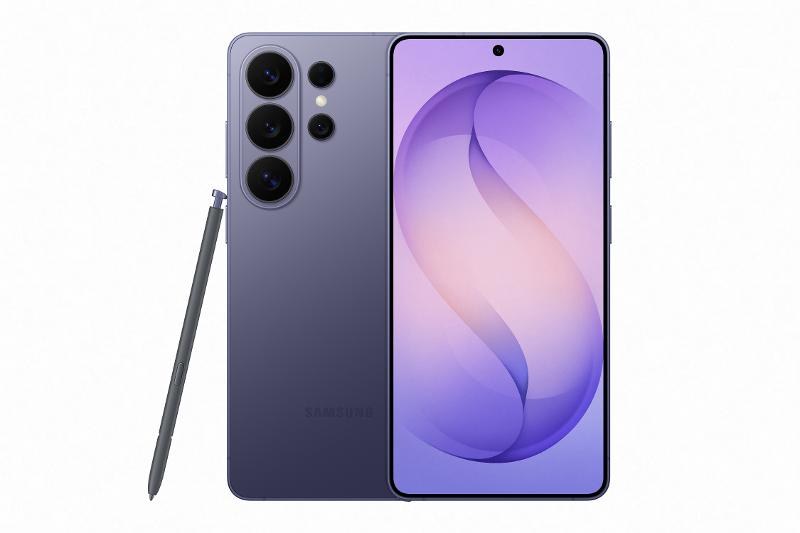
Tom’s Guide ranks it second overall as its “Best camera phone” and concludes that “the Samsung Galaxy S26 Ultra is the best Android phone currently available.” CNET scores it 9.3, the same as the iPhone 18 Pro pair. The measurements: 16 hours 10 minutes on Tom’s Guide’s test, and at GSMArena an Active Use Score of 16:23h, with 84 percent charge in 30 minutes and a full charge in 43 minutes on Samsung’s 60W charger. GSMArena calls that battery score “solid on its own” but “still far behind the competition from China and from Apple.”
The price changed in the week of September 28. Tom’s Guide reported the 256GB Galaxy S26 Ultra rising from $1,299 to $1,399, with the 512GB at $1,599 and the 1TB at $1,999. On October 12 Samsung’s own store listed the 256GB model at $1,199.99 against a crossed-out $1,399.99, under a “$200 off without trade-in” promotion. Treat $1,399.99 as the price and the discount as a promotion that can end.
CNET writes that the phone “isn’t a radical upgrade from the S25 Ultra, but there are improvements where it counts.” Battery is one of them: Tom’s Guide measured last year’s Galaxy S25 Ultra at 14:27, so the new phone lasted at least 1 hour 43 minutes longer. If you want the Android phone that Tom’s Guide ranks highest and CNET scores level with the new iPhones, this is it.
Best Android value: Google Pixel 10
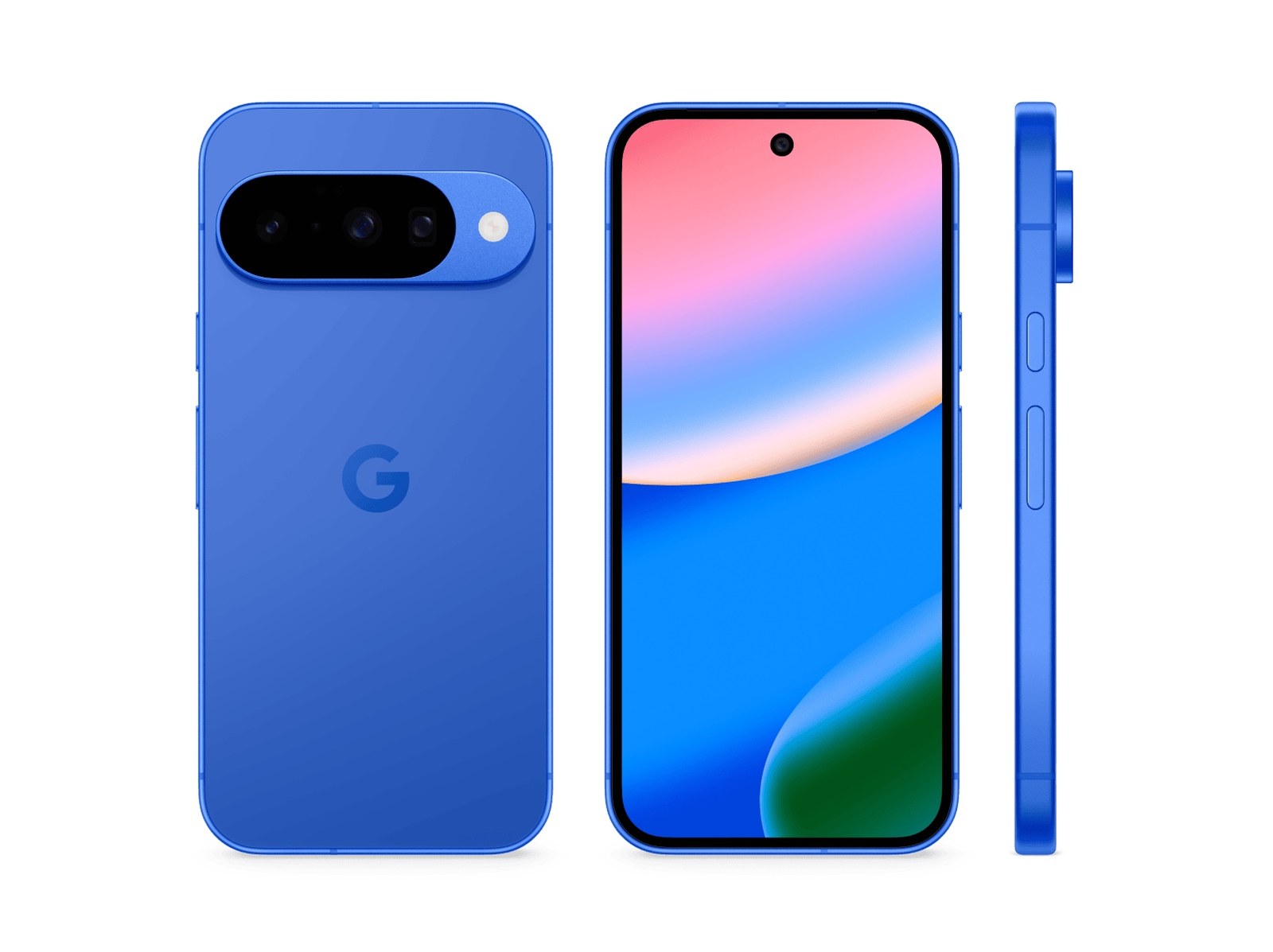
Google has replaced the Pixel 10 with the Pixel 11, and the older phone is still the better buy while it lasts. Tom’s Guide keeps the Pixel 10 in its ranking under the heading “Not a Pro or an Ultra, but still brilliant,” with 13 hours 13 minutes on its battery test. Its review of the $899 Pixel 11 measured 12 hours 45 minutes, “a step down from the 13 hours and 13 minutes posted by last year’s Pixel 10,” and concluded that the new phone “simply doesn’t offer as strong a value proposition.” The Pixel 11’s gain is its screen: a peak of 2,480 nits against the Pixel 10’s 2,333.
Over the $599 Pixel 10a, the extra $200 buys a 5x telephoto camera, the newer Tensor G5 chip and 12GB of memory where the 10a has 8GB. It does not buy battery life: the 10a lasted about two hours longer.
On October 12 Google’s store sold the Pixel 10 at $799 with 128GB and $899 with 256GB, with at least one color marked “Out of stock.” The Pixel 11 starts at $899 with 256GB. So the saving is real only at 128GB: unlocked at 256GB the two cost the same, and the choice is the Pixel 10’s extra 28 minutes of battery against the Pixel 11’s brighter screen and newer chip. Google’s store page promises “7 years of new features and updates,” counted from each phone’s launch, so the newer Pixel 11’s clock started later.
CNET lists the Pixel 11, at 8.8, as its “Best bridge from iPhone to Android,” and makes the same pricing point: “its $899 price for 256GB matches last year’s storage equivalent.” It is a fair pick if the Pixel 10 you want is out of stock.
Best midrange: Google Pixel 10a
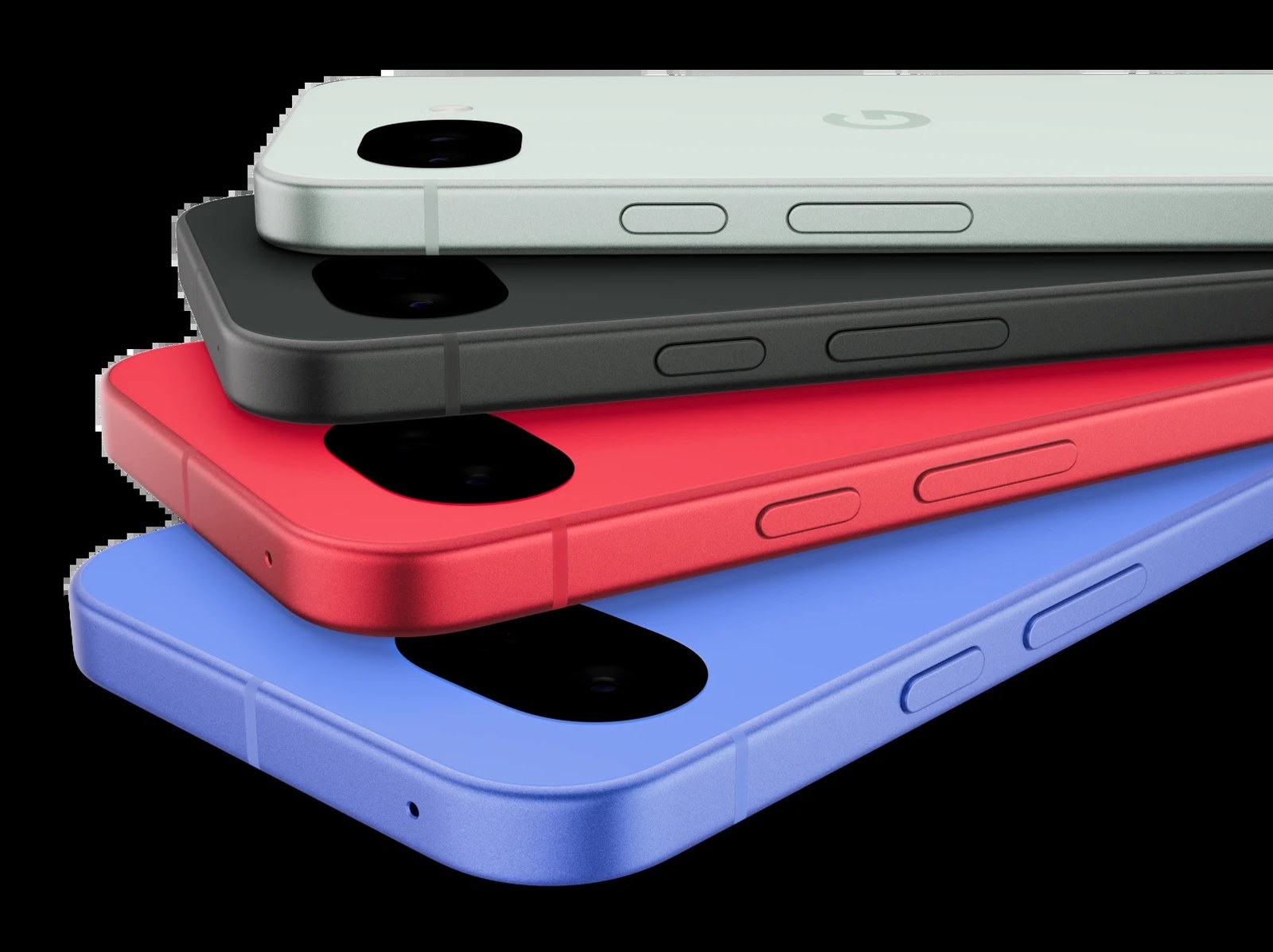
This was the $499 pick until October 2, when Google raised it. 9to5Google reported that the “Pixel 10a has jumped from $499 to $599,” with the 256GB model at $699 and no official comment from Google. Google’s store confirms the new number: “From $599.”
The phone itself has not changed, and it runs what 9to5Google calls “a two-generation-old chipset” in the Tensor G4. Tom’s Guide ranks it third overall as “The best phone value” and measured 15 hours 16 minutes on its battery test, longer than the Pixel 10, the Pixel 11 and both cheaper iPhones in this guide. CNET scores it 8.2 as its “Best budget phone.” Google’s store page lists “7 years of new features and security updates.”
CNET’s guide still prices it at $499 and Tom’s Guide’s still files it under “Best under $500,” so read their value verdicts with the new price in mind. At $599 it is $200 below the Pixel 10 and $100 below the iPhone 17e, and it outlasted both, which is why it stays in this guide. If $500 is a hard ceiling, the pick is the next section. Last year’s Pixel 9a is still listed on Google’s store at $499, but every color and both storage sizes were marked out of stock on October 12.
Best under $300: Moto G (2026)
Tom’s Guide measured the Moto G (2026) at 19 hours 11 minutes, “making it the longest-lasting budget phone we’ve ever tested.” That is longer than every other pick in this guide, the $1,299 iPhone included. Motorola lists it at $299.99 with 128GB, and its store showed $249.99 on October 12. Tom’s Guide reviewed it at $199, which is $100 below Motorola’s list price today, so read the review’s “less than $200” value verdict with the new price in mind.
What you give up is visible in the same review: “Lackluster performance” among the reasons to avoid, and a screen measured at 916 nits where the Pixel 9a reached 1,634 under the same conditions. Its software support is short as well: the review says it “gets two years of Android updates plus an additional year of software support,” which reaches “the Android 18 update in 2027.”
The Moto G Power 2026 costs more and does not last longer. Motorola lists it at $399.99, and Tom’s Guide measured 18 hours 22 minutes and an 895-nit screen, with the verdict: “I’d steer budget shoppers to the regular Moto G (2026) instead.”
Moto G (2026) at Motorola · The Moto G Power 2026, if you prefer it, on Amazon
Off the list: OnePlus 15

The OnePlus 15 still holds the record on Tom’s Guide’s battery test at 25 hours 13 minutes, and GSMArena measured an Active Use Score of 23:07h from its 7,300 mAh battery. It is no longer a pick, because its maker left. On July 16, 2026, OnePlus told TechCrunch that it “will no longer launch new products in Europe and North America,” adding that “after-sales support and software updates, will remain fully guaranteed.” On August 3, 9to5Google reported that “the OnePlus 15 is now fully sold out in the US from OnePlus.com,” in both colors and both storage sizes, and that Amazon still had limited stock at the time.
If you find one at a retailer, you would be buying record-setting hardware from a company that has exited your market. For endurance you can buy with a current maker behind it, the measured options in this guide are the Moto G (2026) at 19 hours 11 minutes, the iPhone 18 Pro Max at 18 hours 27 minutes and the Moto G Power 2026 at 18 hours 22 minutes. Tom’s Guide’s ranking gives its battery slot to the Asus ROG Phone 9 Pro, a gaming phone it measured at 20 hours 34 minutes, with the warning that “2026 will see the end of the phone’s supported software updates.”
Flip phone: Motorola Razr Ultra 2026
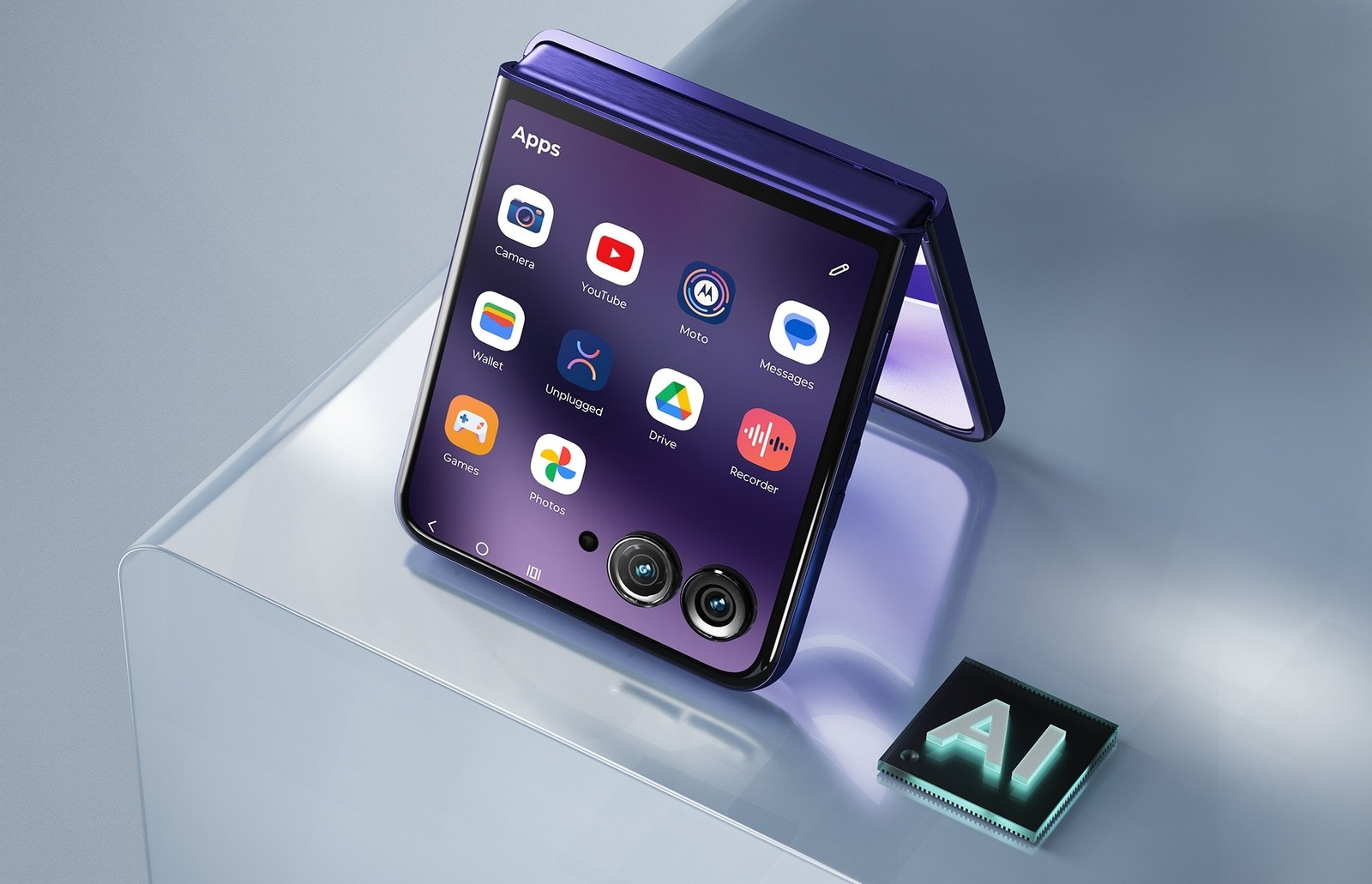
Tom’s Guide’s review says the Razr Ultra 2026 “averaged 16 hours and 20 minutes on Tom’s Guide’s battery drain test,” a result that “earns the title of the longest-lasting battery in a foldable phone,” and measured its main display at “a peak brightness of 2,322 nits.” Motorola lists it at $1,499.99 with 512GB.
The caveats are the price and the chip. Tom’s Guide listed “Massive price increase” and “Sticking to the same chipset” among the reasons to avoid, described “the exact same two-generation-old chipset,” and wrote that it has “a hard time overlooking a $1,499 price tag for what is essentially a recycled phone.”
The Galaxy Z Flip8 is the alternative: $1,199.99 with 256GB, or $1,399.99 with 512GB, the Razr’s storage. Samsung’s page also showed a “$150 off without trade-in” banner on October 12 that the listed price did not reflect. Tom’s Guide’s comparison table lists it at 12:50 on the battery test, and its review measured 2,150 nits, noted charging “capped at 25W,” and recorded a Geekbench result that “noticeably outpaces the Razr Ultra 2026.” Its foldables guide names the Flip8 its best flip foldable and the Razr Ultra 2026 “the longest-lasting foldable phone we’ve tested to date.”
The Razr takes the slot on three and a half more hours of measured runtime. If $1,499.99 is too much for a flip phone, the Flip8 saves $300 at its base storage and $100 at matched storage.
Two older Motorola flips are worth pricing before you pay either figure. Tom’s Guide’s foldables guide lists the Razr Ultra 2025 at 15:42 and the Razr 2025, “The best cheap foldable phone,” at 13:36, both ahead of the Flip8. Its Razr Ultra 2026 review noted Motorola “cutting the 2025 Ultra down to $799 to clear out inventory”; that was the price when the review ran, so check Motorola’s store.
Razr Ultra 2026 on Amazon · Check Flip8 price at Samsung
Book-style foldables: Galaxy Z Fold8 Ultra, or the Motorola razr fold for less
Tom’s Guide lists the Galaxy Z Fold8 Ultra fourth overall as “The best foldable phone overall.” Its foldables guide says the Samsung took the top spot from the Motorola razr fold “thanks to its excellent battery life, incredible screens, and useful extra features that work better than Moto’s half-baked AI stuff.” The review recorded “a battery life of 14 hours and 33 minutes” and “a maximum of 2,687 nits.”
The razr fold is the one that lasts longer and costs less. The same review says the Fold8 Ultra’s result is “not quite enough to match” the “14 hours and 44 minute battery life we recorded on the Motorola Razr Fold.” Motorola lists the razr fold at $1,899.99 with 512GB, and its store showed $1,699.99 on October 12. Samsung lists the Fold8 Ultra at $2,099.99 with 256GB and $2,299.99 with 512GB, and on October 12 its store took $200 off each under a “$200 off without trade-in” promotion. At matched 512GB storage that day, the Motorola was $400 cheaper. Buy the Samsung for the screens and software Tom’s Guide prefers; buy the Motorola for the battery and the price.
Two more are measured. Samsung’s plain Galaxy Z Fold8 is $1,899.99 with 256GB, with a “$200 off without trade-in” banner showing on October 12 that its listed price did not reflect; CNET scores it 8.6 and Tom’s Guide measured 12 hours 19 minutes. Google’s Pixel 11 Pro Fold is $1,899 before trade-in; Tom’s Guide measured 12 hours 31 minutes, and its foldables guide says “There’s not really much reason to spend the dollars on this model.”
One is not measured. Apple’s folding iPhone Duo starts at $1,999, with pre-orders from October 16 and availability on October 23, and Tom’s Guide’s ranking describes it as “announced (but not yet tested).” If you want Apple’s foldable, wait for its first battery test before you decide; the iPhone Duo story has the announced specs.
Check Fold8 Ultra price at Samsung · razr fold at Motorola
What changed this fall
Apple, Samsung and Google all raised prices. Apple added $100 to the iPhone 16, 17, 17e and Air on September 9. Samsung added $100 to each 256GB Galaxy S26, S26 Plus and S26 Ultra in the week of September 28 and left the Galaxy S26 FE alone. Google added $100 to the Pixel 10a on October 2, and the Pixel 11 launched $100 above the Pixel 10. 9to5Google attributes the Pixel increase to “skyrocketing costs of components such as memory.”
The new iPhones were measured. The iPhone 18 Pro and 18 Pro Max went on sale September 18 at $1,199 and $1,299, and Tom’s Guide has now tested both, with GSMArena’s Pro Max review also in; the full iPhone comparison is in the which-iPhone guide, and the September 9 increases are in the iPhone 18 Pro price story.
One maker left. OnePlus stopped launching products in North America in July and its U.S. store sold out of the OnePlus 15 in August.
Frequently asked questions
What is the best smartphone in 2026?
The iPhone 18 Pro Max. It is first at Tom’s Guide with 18 hours 27 minutes of tested battery life, GSMArena measured a 19 hours 20 minutes active-use rating on the version it reviewed, and CNET scores it 9.3. CNET’s own advice is still that “most people would be better served by grabbing an iPhone 17.” The best Android phone by Tom’s Guide’s ranking is the Galaxy S26 Ultra, which CNET also scores 9.3. If you are on the AT&T network, read the service-fault warning before choosing the Pro Max.
Should you wait for the iPhone 18?
There is no standard iPhone 18 to wait for yet. Apple’s September 9 announcements cover the iPhone 18 Pro, the 18 Pro Max and the iPhone Duo. Tom’s Guide writes that a base iPhone 18 is “expected to launch in early 2027,” which Apple has not confirmed. The iPhone 17 is the standard iPhone on sale now, at $100 more than before September 9.
Which phone has the best battery life?
On Tom’s Guide’s test the record is the OnePlus 15 at 25 hours 13 minutes, but OnePlus’s U.S. store sold out of it in August. Among this guide’s picks, the Moto G (2026) leads at 19 hours 11 minutes, followed by the iPhone 18 Pro Max at 18 hours 27 minutes; Tom’s Guide’s own battery pick, the Asus ROG Phone 9 Pro gaming phone, measured 20 hours 34 minutes.
Which phone gets software updates the longest?
Of the phones here, the Pixels carry the longest promise this guide can cite in the maker’s own words: Google prints “7 years of new features and updates” on the Pixel 10’s store page, counted from the phone’s launch. CNET reports seven years of software and security updates for Samsung’s Galaxy S26, and Tom’s Guide says iOS updates “generally provide five years of support.” The Moto G (2026) gets two years of Android updates.
What is the best phone under $500?
It used to be the Pixel 10a, which Google raised to $599 on October 2. Under $500 the measured pick is now the Moto G (2026): 19 hours 11 minutes of tested battery at a $299.99 list price (it launched at $199), with a dim screen, a slow chip and two years of Android updates as the cost. Google’s store still lists last year’s Pixel 9a at $499, but it was out of stock in every color on October 12. If you can stretch to $599, the Pixel 10a is the better phone.
Are foldable phones worth it in 2026?
The lab data supports two of them. The Galaxy Z Fold8 Ultra measured 14 hours 33 minutes and 2,687 nits at Tom’s Guide, which ranks it its best foldable overall. The Motorola Razr Ultra 2026 measured 16 hours 20 minutes, the longest of any foldable Tom’s Guide has tested. Apple’s iPhone Duo arrives October 23 and has no lab results yet.
Which one belongs in your pocket
If you want the best phone and the price does not scare you: iPhone 18 Pro Max, or the smaller 18 Pro if AT&T is your carrier, and the Galaxy S26 Ultra if you live on Android. If you want most of that for hundreds less, the iPhone 17 and the Pixel 10 are the value plays, and the Pixel carries Google’s seven-year update promise. At $599 the Pixel 10a is still the midrange pick, just not the bargain it was. Under $300 the Moto G (2026) outlasts all of them. For a foldable, the Fold8 Ultra is Tom’s Guide’s book-style pick, the razr fold lasts longer for less, and the Razr Ultra 2026 is the measured flip.
For the iPhone-only decision, including the models Apple sells that this page does not rank, the which-iPhone guide walks every current model by price and battery result. For the same measured-picks treatment of the rest of your tech, the guides to air purifiers and robot vacuums use the same method.
Sources (47)
- apple.com Apple Newsroom: Apple debuts iPhone 18 Pro and iPhone 18 Pro Max
- apple.com Apple Newsroom: Apple unveils iPhone Duo
- apple.com Buy iPhone
- tomsguide.com Best phones 2026, tested
- tomsguide.com OnePlus 15 battery test
- gsmarena.com Galaxy S26 Ultra review
- gsmarena.com OnePlus 15 review
- gsmarena.com battery life test methodology
- cnet.com Best Phones in 2026
- dxomark.com Huawei Pura 80 Ultra camera test
- apple.com iPhone 17 buy page
- apple.com iPhone 17e buy page
- store.google.com Google Store: Pixel 10
- store.google.com Google Store: Pixel 10a
- motorola.com razr ultra 2026 product page
- motorola.com moto g power 2026 product page
- motorola.com razr fold product page
- techcrunch.com OnePlus winds down US and Europe operations
- store.google.com Google Store: Pixel 11 configurator
- tomsguide.com Galaxy Z Fold 8 Ultra review
- tomsguide.com Pixel 11 Pro Fold review
- tomsguide.com Galaxy Z Fold 8 review
- tomsguide.com Galaxy Z Flip 8 review
- tomsguide.com Best foldable phones
- tomsguide.com Motorola Razr Ultra 2026 review
- apple.com iPhone 18 Pro buy page
- tomsguide.com iPhone 18 Pro Max and 18 Pro battery life tested
- tomsguide.com Best iPhones in 2026
- gsmarena.com iPhone 18 Pro Max review
- 9to5mac.com Apple confirms iPhone 18 Pro Max AT&T cellular issues
- macrumors.com Apple says affected iPhone 18 Pro Max must be replaced
- macrumors.com Apple raises prices of iPhone 16, iPhone 17, iPhone Air and iPhone 17e
- dxomark.com Apple iPhone 18 Pro camera test
- tomsguide.com Pixel 11 review
- 9to5google.com Pixel 10a price hike
- store.google.com Google Store: Pixel 10 configurator
- store.google.com Google Store: Pixel 11 Pro Fold configurator
- tomsguide.com Galaxy S26 price increase
- samsung.com Galaxy S26 Ultra buy page
- samsung.com Galaxy Z Fold8 Ultra buy page
- samsung.com Galaxy Z Fold8 buy page
- samsung.com Galaxy Z Flip8 buy page
- 9to5google.com OnePlus 15 sold out in the US
- tomsguide.com Moto G Power 2026 review
- tomsguide.com Moto G 2026 review
- motorola.com moto g 2026 product page
- store.google.com Google Store: Pixel 9a configurator



🦋 Discussion on Bluesky
Discuss on Bluesky