


Most people should buy Ray-Ban Meta (Gen 3), which starts at $449 at Meta. It has a 12-megapixel camera, open-ear speakers, Meta’s AI (artificial intelligence) assistant and up to 9 hours of battery life by Meta’s count. If $449 is too much, the older Ray-Ban Meta (Gen 2) is still on sale at $379, $70 less, with up to 8 hours of battery.
The other picks, by what you want:
- No camera: Ray-Ban Meta Audio, from $349, has speakers, microphones and the assistant but no camera.
- Lowest price for a new pair: the Meta Adventurer in black with grey lenses is $249, the cheapest new current-generation pair Meta sells. It comes with a plug-in case that has no battery of its own; the $299 versions get a charging case you can carry.
- Running, cycling or skiing: Oakley Meta Vanguard, $499, the only model with an IP67 dust and water rating on Meta’s pages.
- A screen in the lens: Meta Ray-Ban Display, $799 with the Meta Neural Band wristband that controls it.
Prices on this page are Meta’s own US store prices on October 26, 2026, unless marked as Ray-Ban’s; Transitions lenses and special editions cost more. If you wear prescription glasses, read the prescription section before you buy, because the limits differ by model.
The main Meta glasses compared
Meta sells three families of AI glasses, Ray-Ban Meta, Oakley Meta and its own Meta Glasses line, plus the Meta Ray-Ban Display. The table covers the main model in each; Meta also sells more Ray-Ban frame shapes, and Meta Glasses special editions from $399. Battery figures are Meta’s own measured claims, not independent tests; for the Vanguard, Meta says it measured on pre-production hardware with a set mix of use.
| Model | Starting price at Meta | Camera | Battery (Meta’s claim) | Prescription range | Best for |
|---|---|---|---|---|---|
| Ray-Ban Meta (Gen 3) | $449 | 12MP, 3K video | Up to 9 hours | -12.00 to +6.00 | Most people |
| Ray-Ban Meta (Gen 2) | $379 | 12MP, 3K video | Up to 8 hours | -12.00 to +6.00 | Saving $70 |
| Ray-Ban Meta Audio | $349 | None | Up to 12 hours | -12.00 to +6.00 | No camera |
| Meta Adventurer | $249 (black, plug-in case); $299 most others | 12MP, 3K video | Over 8 hours | -12.00 to +2.25 | Lowest price |
| Meta Capri | $299 | 12MP, 3K video | Over 8 hours | -12.00 to +2.25 | Cat-eye style |
| Oakley Meta HSTN | $399 | 12MP, 3K video | Up to 8 hours | -12.00 to +6.00 | Everyday sport |
| Oakley Meta Vanguard | $499 | 12MP, 3K video | Up to 9 hours | Not available | Hard training |
| Meta Ray-Ban Display | $799 (with Neural Band) | 12MP, 1080p video | Up to 6 hours | -4.00 to +4.00 | A screen in the lens |
Every model in the table except the camera-free Audio takes 12-megapixel photos, and the Ray-Ban Meta, Oakley Meta and Meta Glasses pairs all use open-ear speakers that leave your ears uncovered. The charging case holds more power: up to 50 extra hours for Gen 3, 48 for Gen 2 and Audio, and 40 for Meta Glasses with the foldable case, by Meta’s figures.
The original Ray-Ban Meta (Gen 1) is on clearance: Meta’s store lists the Gen 1 Wayfarer and Skyler from $224, down from $299, though the Gen 1 Wayfarer in shiny black with green lenses was out of stock on October 26. Its rated battery is up to 4 hours, less than half of Gen 3’s, so it is not a pick here.
Best for most people: Ray-Ban Meta (Gen 3)
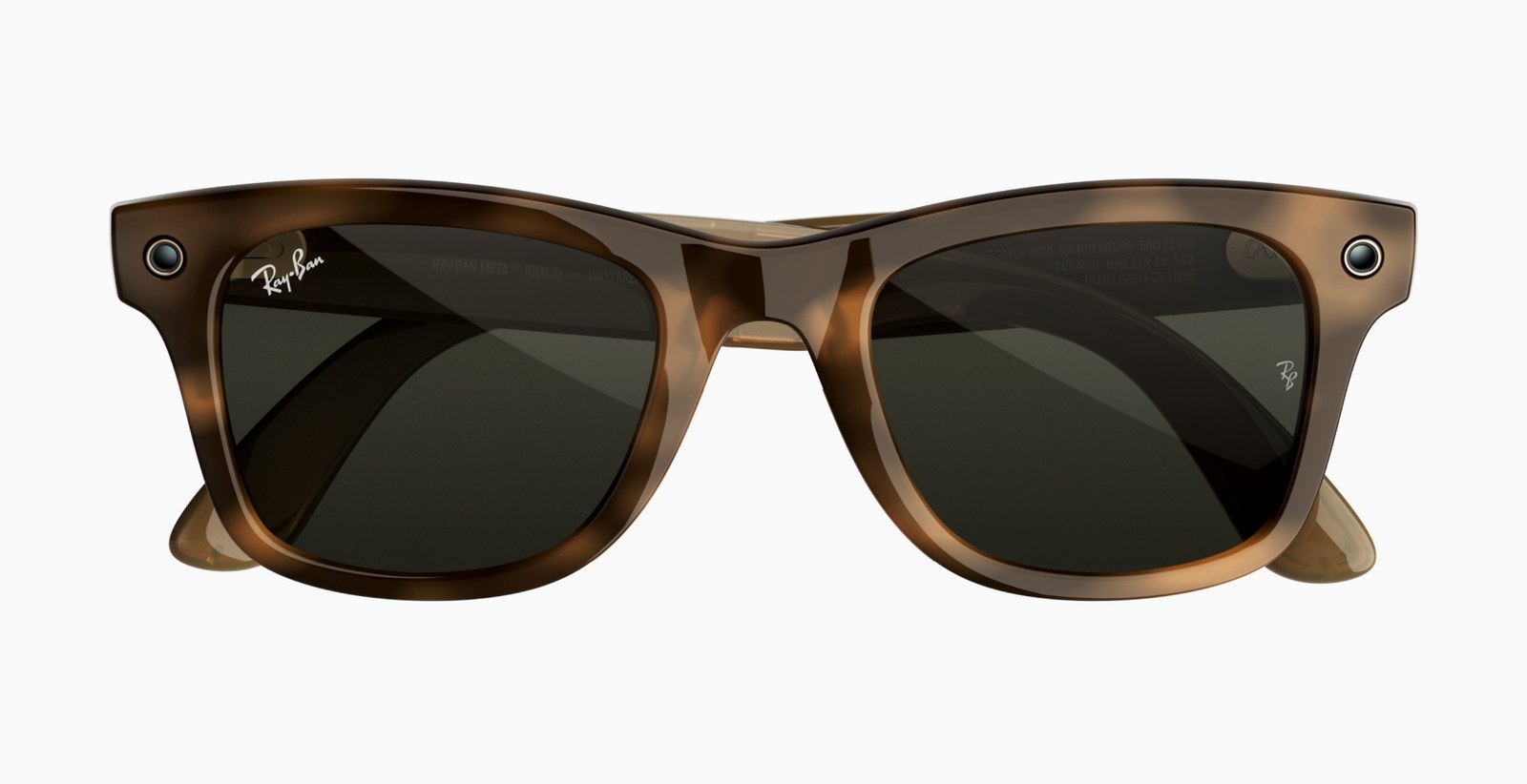
Gen 3 went on sale on September 23, 2026, starting at $449, in three frame styles: Wayfarer, Aviator and Zena, a cat-eye shape. Meta added a sixth microphone for calls, an action button you can set to open the assistant or another feature, and adjustable temple tips for fit. The camera shoots 12-megapixel photos and video at up to 3K, and 32GB of storage holds more than 1,000 photos, by Meta’s count.
Transitions lenses, which change tint with the light, raise the price to $529 for the Gen 3 Wayfarer at Meta and for the Zena and Aviator at Ray-Ban’s US store. Gen 3 needs an iPhone on iOS 17 or later or an Android phone on Android 10 or later, and the frames are designed for ages 13 and up.
- Gen 3 Wayfarer: Check price on Amazon
- Gen 3 Aviator: Check price on Amazon
- Gen 3 Zena: Check price on Amazon
Ray-Ban Meta Gen 3 vs Gen 2: is the $70 worth it?
For a first pair, this guide’s call is that Gen 3 is worth the extra $70; if you already own Gen 2, Gizmodo’s review found little reason to replace it. Both shoot 12-megapixel photos and 3K video and have 32GB of storage and the same prescription range, though Gizmodo reports that Gen 3’s camera module is 36% smaller.
| Model | Price at Meta | Battery (Meta’s claim) | Extra charge in the case | Microphones | Action button | Frame styles |
|---|---|---|---|---|---|---|
| Ray-Ban Meta (Gen 3) | $449 | Up to 9 hours | Up to 50 hours | 6 | Yes | Wayfarer, Aviator, Zena |
| Ray-Ban Meta (Gen 2) | $379 | Up to 8 hours | Up to 48 hours | 5 | No | Wayfarer, Skyler, Headliner |
The Gen 2 row covers the standard frames; Meta’s Gen 3 comparison excludes the Gen 2 Optics styles, which cost $499 and have six microphones.
Gizmodo tested the battery with music: Gen 3 dropped from 100% to 85% in an hour at about 60% volume, which Gizmodo works out to more than six hours of nonstop listening, against about five for Gen 2. Meta’s announcement says Gen 3’s new six-microphone array cuts more than 90% of background noise, a figure Meta’s Gen 2 page also claims for its five microphones. The people Gizmodo called from a pair of Gen 3 glasses still heard traffic and voices behind it. Gizmodo called Gen 3 a light update: fine for first-time buyers, but hard to recommend to anyone who already owns Gen 2.
Gen 2 is still a good buy at $379 if the battery and the button don’t matter to you. Check price on Amazon
Best without a camera: Ray-Ban Meta Audio
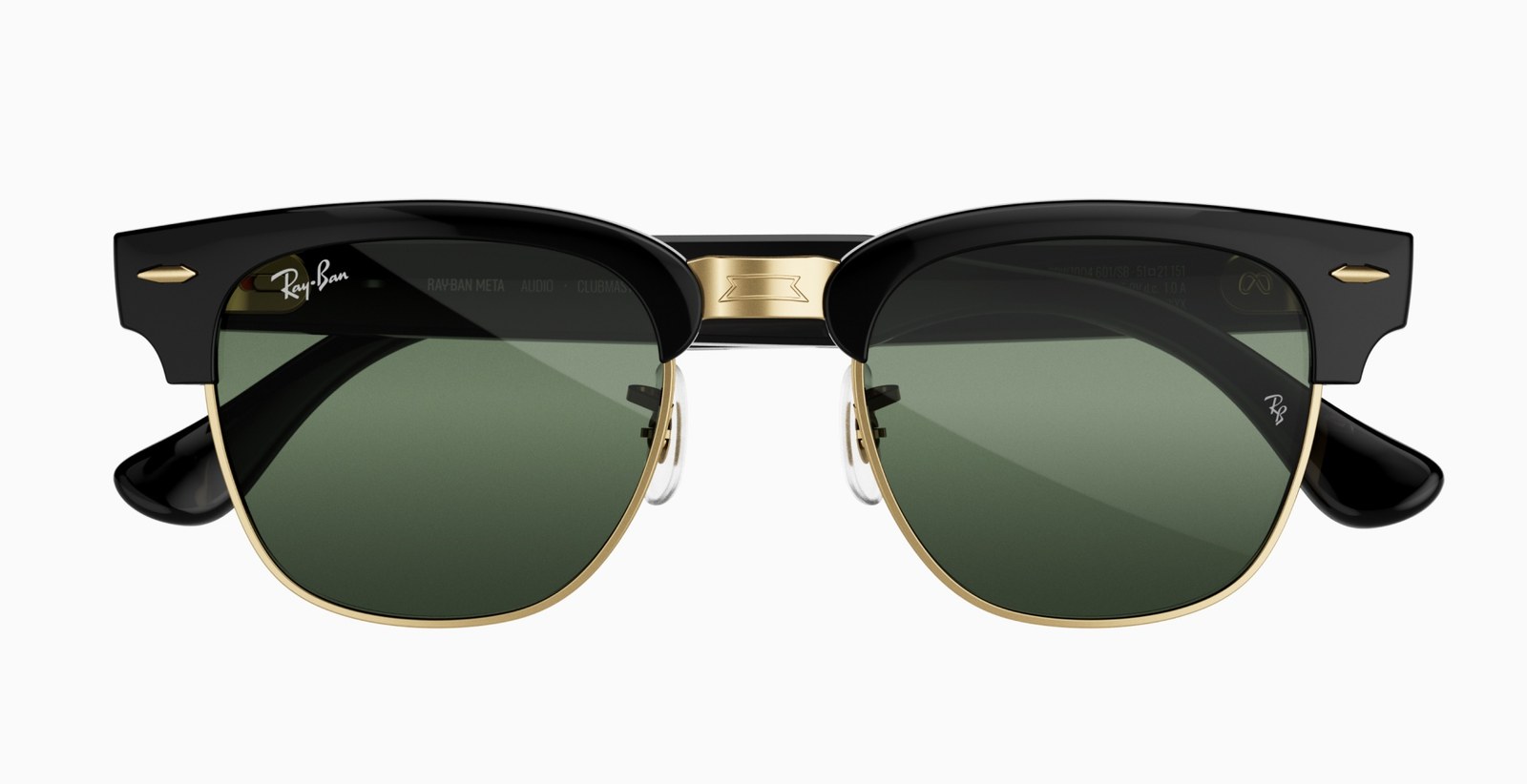
Meta calls Ray-Ban Meta Audio “our first-ever audio glasses”, and its product page says it “is audio-only and does not include a camera.” It starts at $349 in two styles, Clubmaster and Burbank, and Meta’s announcement set shipping for October 13, 2026. On October 26, though, Meta’s store quoted delivery around November 28 for the Clubmaster in black with clear lenses. Meta rates it at up to 12 hours on a charge, the longest of any model here, plus up to 48 more from the case.
Pick it if you want the speakers and the assistant somewhere a camera would be a problem, or if you don’t want people wondering whether you are filming them. Meta’s announcement says the Audio glasses weigh 43 grams, while the Clubmaster’s own spec sheet lists 47.1 grams for the frame. The Clubmaster comes in one frame size, and Meta says its temple tips should be adjusted only by a professional optician.
- Audio Clubmaster: Check price on Amazon
- Audio Burbank: Check price on Amazon
Cheaper pairs: Meta Adventurer, Capri, Nova and Fury
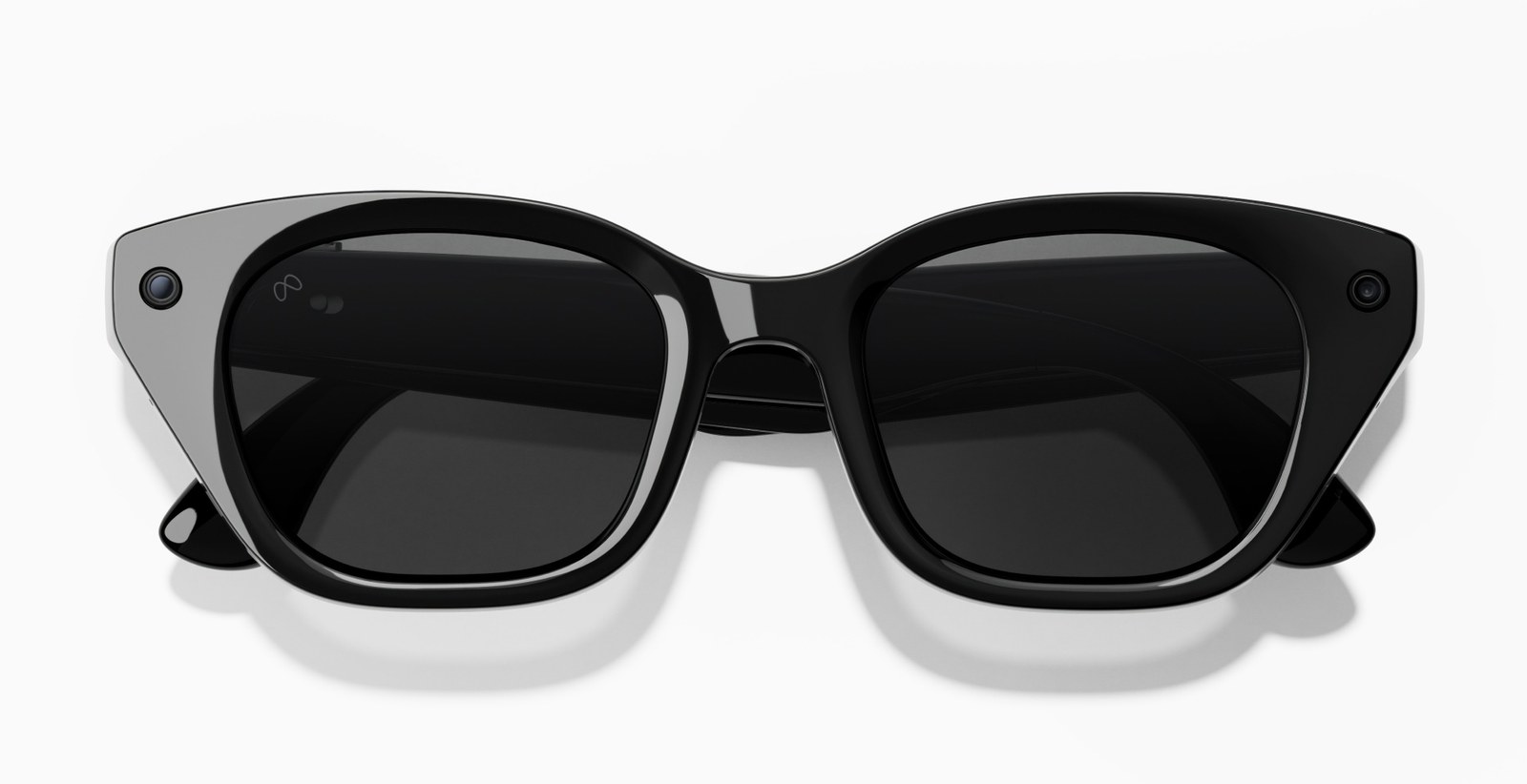
Meta Glasses are Meta’s own brand, without the Ray-Ban or Oakley name, made in partnership with EssilorLuxottica. The Meta Capri, Meta Nova and Meta Fury start at $299 at Meta, and the Meta Adventurer starts at $249. The $249 Adventurer, in black with grey lenses, comes with a plug-in case that connects to power by cable; the other versions come with a foldable charging case that holds up to 40 hours of extra charge. Meta sells that foldable case separately for $89, and does not sell the plug-in case on its own. Meta lists the same 12-megapixel camera with 3K video as Gen 3, six microphones and over 8 hours of battery.
The catch is prescriptions. Meta says all Meta Glasses frames take prescription lenses, but its range stops at +2.25 for farsighted prescriptions, against +6.00 on the Ray-Ban Meta and Oakley Meta HSTN frames.
- Meta Adventurer: Check price on Amazon
- Meta Capri: Check price on Amazon
- Meta Nova: Check price on Amazon
- Meta Fury: Check price on Amazon
Best for sports: Oakley Meta Vanguard or HSTN
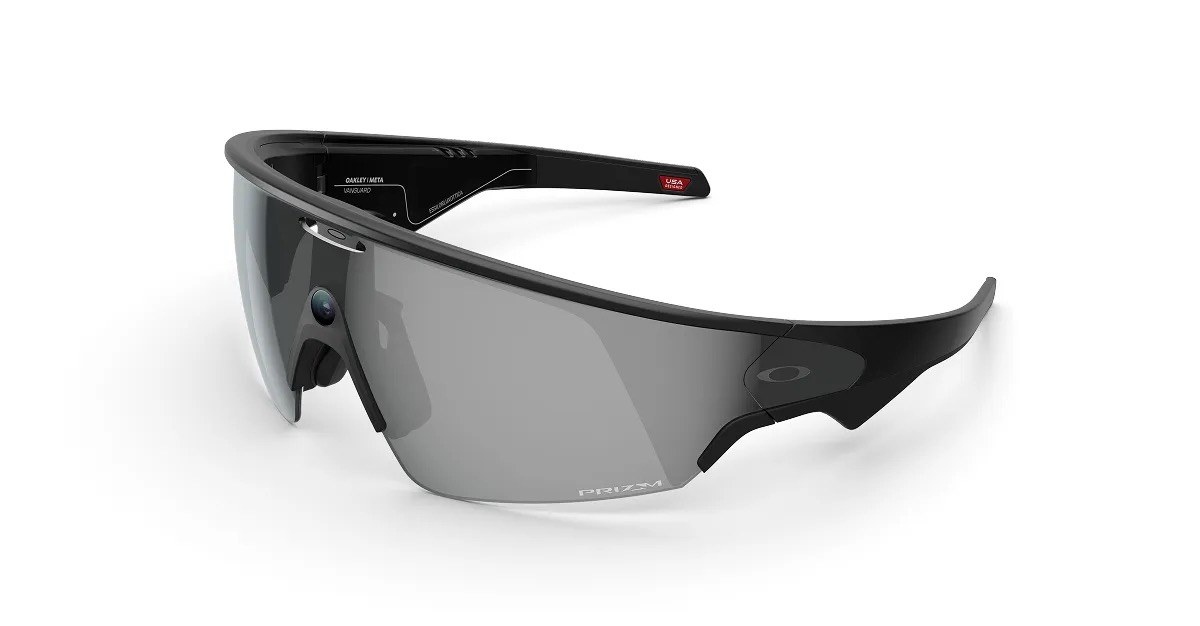
The Oakley Meta Vanguard, $499, is the one for hard training. It wraps around your face, carries an IP67 rating (dust-resistant and able to handle brief, shallow exposure to water), puts the camera in the center of the frame, and works with Garmin devices and Strava. Meta rates it at up to 9 hours, with up to 36 hours from the case. It can’t take prescription lenses. Check price on Amazon
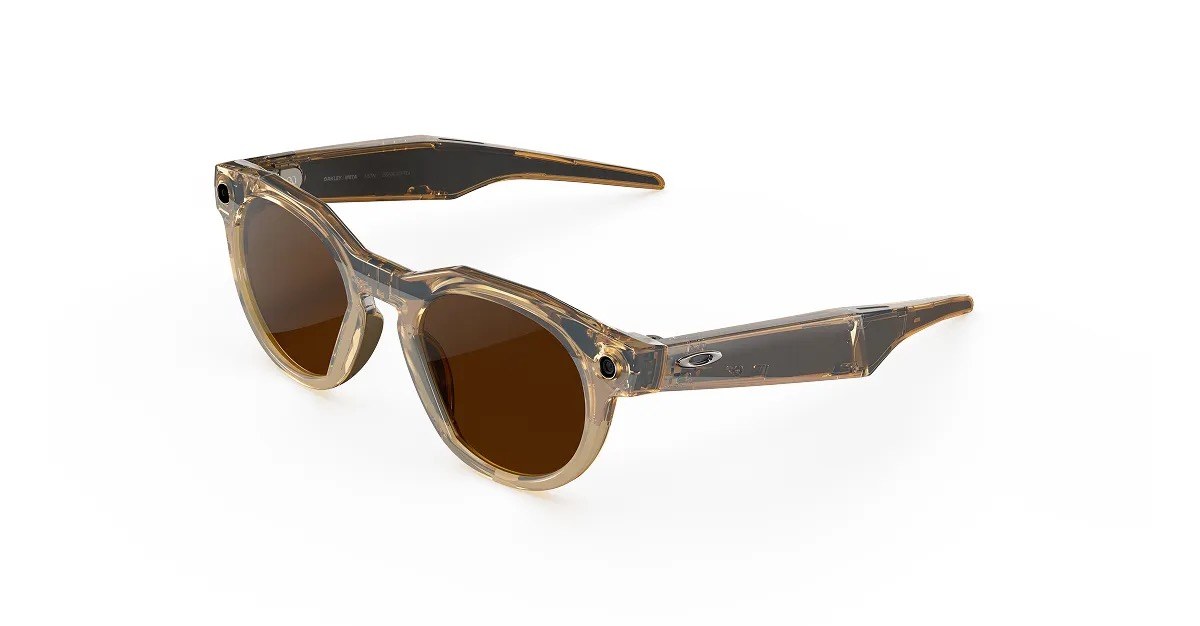
The Oakley Meta HSTN, from $399, is the everyday sport pair: a lighter, round frame rated IPX4, which Meta describes as fine for splashes, rain and sweat but not for going underwater. It also works with Garmin and Strava, takes the full -12.00 to +6.00 prescription range and runs up to 8 hours. Meta’s own guide sums it up as Vanguard for “high-intensity training” and HSTN for “everyday athletes and versatile activewear.” Check price on Amazon
The one with a screen: Meta Ray-Ban Display

The Meta Ray-Ban Display costs $799 and includes the Meta Neural Band, a wristband that reads small hand movements so you can control the glasses without touching them. A full-color screen in the right lens shows messages, walking directions, live captions, translations and the assistant’s answers, then disappears when you don’t need it. Meta rates it at up to 6 hours of mixed use, with up to 24 more from the folding case, and it records video at 1080p rather than 3K. Meta says inventory is “very limited,” so the size and color you want may be sold out even after a demo.
Prescription lenses add $200, for $999 total, and only cover -4.00 to +4.00, single vision only. The prescription is built into the display lens when the glasses are made and cannot be changed later, and Meta.com prescription orders typically take 5 to 8 weeks to arrive. Meta’s pages disagree on where you can order one with a prescription: one answer says at select US Meta Lab, Ray-Ban, LensCrafters and Best Buy stores, while the prescription page gives Meta.com delivery times.
Meta’s page is not consistent about trying them first either: one answer says demos at select retailers “are required for purchase,” and another says a fitting and demo is “recommended, though not required.” Meta announced online ordering at Connect in September, and the band comes in three sizes, so book a fitting if you can. You need the Meta AI app, a Meta account and an internet connection for features such as navigation and translation. Buy it from Meta or from a retailer that offers the demo.
Which Meta glasses work with a prescription?
Most Meta glasses take prescription lenses, but the range differs by model, so check your prescription against this list. Meta’s pages give these ranges:
- -12.00 to +6.00 (sphere plus cylinder): Ray-Ban Meta (Gen 2), Ray-Ban Meta Optics styles and Oakley Meta HSTN. Meta’s product pages list the same range for Gen 3 and Audio.
- -12.00 to +2.25: every Meta Glasses frame, including the Meta Adventurer, Capri, Nova and Fury. Meta’s pages describe this two ways: the product specs call it total power, while the Meta Glasses FAQ gives sphere from -12.00 to +2.25 with cylinder up to 6.00, so confirm with Meta if your prescription is near the edge.
- -4.00 to +4.00: Meta Ray-Ban Display, single vision only.
- None: Oakley Meta Vanguard.
Gen 3 takes single-vision, progressive and Transitions prescription lenses in every style. Meta says prescription lenses are eligible for HSA and FSA (health savings and flexible spending account) money. Ray-Ban also sells “Optics” versions made for prescription lenses: Gen 3 Optics at $449 at Ray-Ban, and Gen 2 Blayzer Optics and Scriber Optics at $499 at Meta. The Gen 2 Optics frames ship with temporary clear lenses meant to be replaced, and they don’t fit the current Ray-Ban Meta charging case.
Buying AI glasses as a gift
Prescriptions are the hard part of a surprise, since ordering prescription lenses means entering the person’s prescription. For Ray-Ban Meta and Oakley Meta HSTN, Meta says prescription lenses can be added after purchase at a certified retailer, and Meta Glasses can go to an optician, so sun or clear lenses make a safe surprise. Meta notes that the manufacturer’s warranty on Ray-Ban Meta glasses stays intact only if lenses are added at an EssilorLuxottica certified retailer. That route doesn’t work for the Display, whose prescription is fixed at purchase, or the Vanguard, which takes no prescription.
Check the return window before you buy early. At Meta.com, the standard window for Ray-Ban Meta and Oakley Meta HSTN is 30 days from when the order ships, and shipping fees aren’t refunded. For Meta Glasses, the Oakley Meta Vanguard and the Display, it is 30 days from when you receive the order, and the Display and Neural Band must be returned together. A pair bought in early November can be past its window by late December. Pairs bought from Ray-Ban.com or another store follow that store’s return policy.
Every pair is set up and managed in the Meta AI app on a phone. Gen 3, Audio and Meta Glasses need iOS 17 or later on an iPhone, while Gen 2, HSTN and Vanguard work from iOS 15.2; all need Android 10 or later on Android. Meta also says some AI features work only in select countries and languages, and Meta Glasses with prescription lenses are sold on Meta.com in the US only.
The Gen 3 Wayfarer comes in Standard and Large sizes, with a high-bridge fit option. In the US, you can try pairs on at a Meta Lab store, or use Ray-Ban’s store locator for other retailers. For more ideas at a lower price, see Best Tech Gifts Under $100.
Do Meta glasses record people without them knowing?
Ray-Ban Meta glasses have a built-in light that turns on when you take photos or video, to let people nearby know, and Meta says every generation has had one. Gizmodo points out that Gen 3’s camera is smaller and harder to spot, with no physical shutter, and that the light hasn’t been very effective at stopping people from recording others without their knowledge. If that worries you or the person you’re buying for, Ray-Ban Meta Audio has no camera at all.
Sources (17)
- meta.com Shop AI glasses (US prices, October 26, 2026)
- meta.com Ray-Ban Meta (Gen 3) Wayfarer
- meta.com Ray-Ban Meta Wayfarer (Gen 2)
- meta.com Ray-Ban Meta Wayfarer (Gen 1)
- meta.com Ray-Ban Meta Audio Clubmaster
- meta.com Ray-Ban Meta Blayzer Optics (Gen 2)
- meta.com Meta Adventurer
- meta.com Meta Capri
- meta.com Oakley Meta HSTN
- meta.com Oakley Meta Vanguard
- meta.com Meta Ray-Ban Display
- meta.com Prescription AI glasses
- about.fb.com Meta Newsroom: Introducing Ray-Ban Meta Audio and More AI Glasses Styles (Sept 23, 2026)
- about.fb.com Meta Newsroom: The Biggest News From Connect 2026 (Sept 24, 2026)
- about.fb.com Meta Newsroom: Which AI Glasses Are Right For You?
- ray-ban.com Ray-Ban Meta Glasses (Gen 3) (US store)
- gizmodo.com Ray-Ban Meta (Gen 3) Review



🦋 Discussion on Bluesky
Discuss on Bluesky