


The short answer
- Subscriptions flip the price table. The $349 Oura Ring costs more over three years than a $300 Galaxy Ring or a $250 Garmin, once the mandatory-in-practice membership is counted.
- The calorie number on your wrist can be wrong by up to 93 percent. Heart rate is a different story. The gap between those two facts decides whether a smartwatch is worth it for you.
- Battery life spans four orders of magnitude, from 18 hours on an Apple Watch to roughly 10 years on the $39.95 Casio this guide uses as a control group.
- The industry itself is hedging on screens. Garmin launched a screenless $200 band in July 2026, and the smart ring is now the standard second answer to the smartwatch question.
Pros and cons of smart watches at a glance
Pros
- Heart rate, GPS workout tracking and safety alerts are the features that hold up in independent testing, and they are the reason to buy.
- Fall detection, crash detection and irregular-rhythm notifications work on the mid-range watches, not only the flagships.
- Battery life on the Garmin, Fitbit and ring class runs days, not hours, so sleep tracking happens every night.
Cons
- Calorie and sleep-stage numbers are the least accurate features on every wrist device tested, whatever the marketing says.
- Subscriptions can double the three-year cost, and the cheapest hardware often carries the biggest one.
- A full smartwatch needs charging every day or two, which means it is often off your wrist at night.
- Software support ends after a few years, so the purchase price is not the whole price.
The rest of this page shows the numbers behind each line.
The Two-Minute Answer
Should you buy a smartwatch? The answer the search results refuse to give you is that it depends on exactly two things, and neither is the sensor list.
First, will you use the one feature class that is genuinely excellent (heart rate, GPS (Global Positioning System) workout tracking, safety alerts), or do you mostly want the features that are mediocre? The calorie counter, the headline feature on every box, missed by 27 to 93 percent in the standard peer-reviewed validation test. Second, have you priced the subscription, not the device?
Everything below is the evidence for that answer: a three-year cost table with a $39.95 Casio as the control group, battery numbers from the manufacturers’ own spec sheets, and accuracy figures from peer-reviewed validation studies rather than marketing pages. If you land on “yes,” there is a short, verified shortlist near the bottom. If you land on “no,” you will at least know precisely why, which beats a vibes-based answer in either direction.
One more reason this question is worth asking in August 2026 specifically: the industry itself is no longer sure the screen is the point. Garmin, the company that built its business on watch screens, announced CIRQA on July 21, 2026, a screen-free $199.99 band with no subscription. When the watch companies start selling watches without the watch part, the “do I need the whole smartwatch?” question has officially gone mainstream.
What Three Years Costs
Nobody buys a smartwatch for one month. Price the category the way you will live with it, over three years, with the subscription each vendor attaches. All list prices below are from the manufacturers’ own pages as of August 12, 2026.
| Device | Upfront (list) | Required subscription | Three-year total |
|---|---|---|---|
| Apple Watch SE 3 | $249 | None (Fitness+ optional, $79.99/yr) | $249 ($489 with Fitness+) |
| Garmin Forerunner 165 | $249.99 | None (Connect+ optional, $6.99/mo) | $249.99 |
| Fitbit Charge 6 | $159.95 | Google Health Premium, $99/yr for full features (3 months included) | ≈$457 |
| Oura Ring 4 | $349 | Membership $69.99/yr, needed for nearly everything | ≈$559 |
| Samsung Galaxy Ring | $299.99 (from $399 at launch) | None | $299.99 |
| Casio W-800H (control group) | $39.95 | None | $39.95 |
The sources for every row: Apple lists the SE 3 from $249 and Fitness+ at $9.99 a month or $79.99 a year after a free first month. Garmin’s Forerunner 165 carries a $249.99 suggested retail price, and Garmin’s own store had it on sale at $199.99 in early September 2026. Its successor, the Forerunner 170, went on sale May 15, 2026 at $299.99 with extra training and recovery metrics; for the buyer this guide is written for, the 165 at the lower price remains the pick. The Fitbit Charge 6 lists at $159.95 with three months of the premium tier included. Oura’s ring starts at $349 in the basic finishes. Samsung launched the Galaxy Ring at $399 in July 2024, and its store page currently advertises it from $299.99 before trade-in as of mid-August 2026. The Casio W-800H-1AV lists at $39.95 on Casio’s own site.
Now the sleeper detail. Oura’s membership costs $5.99 a month or $69.99 a year, and without it the app shows you only your three daily scores, battery level, and basic profile information. Treating it as mandatory is just honest accounting:
That makes the “cheap screenless option” the most expensive line in the table, $309 more than a Garmin that charges nothing after purchase. Fitbit runs the same play at a lower price point: a $159.95 tracker whose readiness scores and long-term analytics sit behind what is now called Google Health Premium, $9.99 a month or $99 a year since the Fitbit app became Google Health on May 19, 2026. Worth knowing that this gating is per-device rather than a blanket policy: Google’s Charge 6 page marks the Daily Readiness Score “Available with Google Health Premium,” while the newer Fitbit Air includes readiness in its free tier.
Garmin deserves credit for the counterexample, with an asterisk. It launched its own optional subscription, Connect+, in March 2025 at $6.99 a month, but stated that “all existing features and data in Garmin Connect will remain free.” Eighteen months later that promise has held: the watch’s training metrics work without paying twice. Samsung’s ring features likewise all work “without a paid subscription,” as TechCrunch put it at launch, though a Samsung health executive told CNBC in 2024 the company was “considering” a subscription service for its app.
Add the quiet extras before you decide: replacement bands, chargers for travel, and possibly accessory insurance. None of them show up on the box price either.
Battery Life Is a Caste System
Battery life is where the category splits into castes, and the manufacturers publish the numbers themselves. From their own spec sheets:
| Class | Device | Manufacturer’s claim |
|---|---|---|
| Full smartwatch (Apple) | Apple Watch SE 3 | Up to 18 hours; up to 32 hours in Low Power Mode |
| Full smartwatch (Android) | Pixel Watch 4 | 30 hours (41mm) or up to 40 hours (45mm) |
| Full smartwatch (Android) | Galaxy Watch 8 | Up to 30 hours with always-on display |
| Fitness band | Fitbit Charge 6 | Up to 7 days |
| Runner’s watch | Garmin Forerunner 165 | Up to 11 days smartwatch mode, 19 hours GPS |
| Screenless band | Garmin CIRQA | Up to 10 days |
| Smart ring | Oura Ring 4 | 5 to 8 days |
| Smart ring | Samsung Galaxy Ring | Up to 7 days |
| Dumb watch (control) | Casio W-800H | Approximately 10 years on one CR2025 cell |
Read the table as a lifestyle question, not a spec contest. An 18-to-40-hour watch means a charging cable becomes part of your daily routine, and it means the watch is frequently not on your wrist at night, which deletes sleep tracking, the feature half of buyers say they want. The 5-to-11-day class (Garmin, Fitbit, rings) is the practical sweet spot: charge it roughly weekly, wear it while you sleep. The Casio is on the table as a unit of measure: one battery outlasts roughly 3,600 charge cycles of an Apple Watch, and, as covered below, it will outlive every smartwatch software support window on this page too.
What the Sensors Get Right, and What They Fudge
This is the section where marketing and measurement part ways. The short version from the validation literature: heart rate is good, calories are fiction-adjacent, sleep staging is decent, and the medical-sounding features come with an asterisk the ads never read aloud.
Heart rate: genuinely good at steady state. The Stanford-led validation study that remains the reference point tested seven wrist devices against clinical electrocardiogram (ECG) telemetry and found median heart rate error below 5 percent in most activity modes, with cycling the best (1.8 percent median error) and walking the worst (5.5 percent). A separate npj Digital Medicine study found absolute error during activity ran about 30 percent higher than at rest across devices. Translation: trust the number on the couch and on the bike; treat it with mild suspicion mid-burpee.
Calories: the number to ignore. In the same Stanford study, not one of the seven devices estimated energy expenditure with less than 20 percent error; median error across tasks ranged from 27.4 percent for the best device to 92.6 percent for the worst. If you are eating back the calories your watch says you burned, you are budgeting with a random number generator.
Skin tone: the answer is “mixed evidence.” The npj Digital Medicine team found no statistically significant accuracy difference across skin tones, while a 2022 systematic review concluded that “preliminary evidence is inconclusive,” with some studies suggesting reduced accuracy on darker skin and better-quality studies still needed. If accurate optical readings matter to you medically, a chest strap remains the conservative choice regardless of skin tone.
The heart rhythm feature is the real medical pro. The Apple Heart Study, published in the New England Journal of Medicine, recruited 419,297 people; 0.52 percent received an irregular pulse notification, and among notified participants who wore a follow-up ECG patch, atrial fibrillation (an irregular heart rhythm that raises stroke risk) was confirmed in 34 percent, with a positive predictive value of 0.84 for the notification itself. Two readings of that result are both true: the feature catches a serious condition people did not know they had, and 99.5 percent of wearers got no notification at all in four months. It is a smoke detector, not a doctor.
Safety features are underrated in the pros column. Apple’s fall detection can automatically call emergency services if the watch detects a hard fall and you remain immobile for about a minute, and it switches on by default for users 55 and over. For anyone buying for an older parent, this single feature can justify the entire category.
Blood oxygen: the asterisk, in legal form. Most wellness metrics on these devices are not vetted the way medical devices are; they ship under the Food and Drug Administration (FDA) compliance policy for “low risk products that promote a healthy lifestyle.” And the one high-profile exception proves how messy the space is: after the International Trade Commission found in 2023 that the watch’s blood oxygen sensing infringed patents held by medical-tech company Masimo, Apple sold United States models with the feature switched off, restoring it only in August 2025 in a redesigned form where sensor data is “measured and calculated on the paired iPhone.” A wrist SpO2 (blood oxygen saturation) number is a trend indicator, not a diagnosis, and a court can switch it off.
Smart Ring vs Smartwatch: Which Should You Get?
The second question buyers now ask, right after “should I buy a smartwatch,” is whether to skip the watch for a ring. The split, with neither side winning outright:
Rings win sleep and recovery. A ring weighs a few grams, has no screen to light up your bedroom, and runs 5 to 8 days between charges, so it is on your body at 3 a.m. The accuracy story holds up: in a Brigham and Women’s Hospital-affiliated validation study published in Sensors, the Oura Ring (Gen3 hardware) agreed with laboratory polysomnography (PSG, the clinical gold standard for sleep measurement) on 76.3 percent of 30-second epochs in four-stage sleep scoring, versus 75.0 percent for the Apple Watch Series 8 and 70.9 percent for the Fitbit Sense 2. No consumer device matches the lab, but the ring did it without a screen, a charger by the nightstand, or a wrist tan line.
Watches win everything interactive. A ring cannot show you a notification, take a call, navigate a run with on-wrist pace, tap-to-pay at a register, or call an ambulance when you fall off a ladder. GPS lives in the watch class; so do fall detection and emergency calling. If your reason for buying is workouts or safety rather than sleep, the ring is the wrong tool.
The subscription decides the tiebreak. As the cost table showed, the Oura path runs about $559 over three years while Samsung’s Galaxy Ring, with no subscription, stays at the $299.99 its own store now advertises, and Garmin’s screenless CIRQA band undercuts both at $199.99 with a 10-day battery. The screenless middle ground between ring and watch now exists at every $100 step from $200 to $560.
Persona split, not a winner declaration: sleep-and-recovery obsessives who hate wearing things should get a ring (or the CIRQA if a fabric band bothers you less than a ring size that might drift with weight change). Runners, commuters who want notifications, and anyone buying partly for safety features should get a watch. People who want both usually end up wearing a watch by day and charging it while they sleep with the ring on, which is also the priciest way to answer the question.
The Upgrade Treadmill Nobody Prices In
A mechanical or quartz watch is a 10-to-30-year object. A smartwatch is a phone accessory with a phone’s lifecycle. Apple’s watchOS 27, due September 14, 2026, “will be available for Apple Watch Series 9 or later, Apple Watch SE 3, and Apple Watch Ultra 2 or later,” in Apple’s words; the Series 6, 7 and 8 and the second-generation SE stop there, still telling time but no longer receiving new versions. A Series 8 bought at its September 2022 launch got four years of new software, a Series 6 from 2020 got six, and Apple is still the generous end of the industry.
Multiply that across the category and the e-waste math writes itself: every device in the cost table except the Casio is on a replacement clock driven by batteries that fade and update servers that eventually forget it. The Casio’s approximately 10-year battery is not a joke spec; it means the $39.95 control group will likely outlast two full generations of everything else on this page. If what you want from a wrist is time, alarms, a stopwatch, and 100-meter water resistance, the boring answer has been sitting in the display case since before the App Store existed.
Who Should Buy One, and Who Should Not
You will love a smartwatch if:
- You train with heart rate zones, run or cycle with GPS, or follow structured workouts. The good sensors are genuinely good here.
- You (or the person you are buying for) are older or live alone; fall detection and emergency calling are the category’s most defensible features.
- You have a specific cardiac reason to want an irregular rhythm watchdog on your wrist.
- Notifications on your wrist would let you leave your phone in your pocket more, not less.
Skip the whole category if:
- Your main goal is “get healthier via data.” The calorie numbers are unreliable and the streak mechanics wear off; the evidence-backed wins are the boring ones (move more, sleep more), which a $40 watch and an alarm also deliver.
- You hate charging things. Buy a ring, a CIRQA-style band, or the Casio, in that order of ambition.
- You wanted the medical features specifically. A wellness gadget is regulated as a wellness gadget, and the blood oxygen saga shows how fast a feature can vanish.
- The three-year total in the cost table made you flinch. That reaction is data too.
If You Have Decided Yes: The Shortlist
Small and verified beats long and padded. Five picks by persona, with list prices from the manufacturers as of August 12, 2026. (Links below are affiliate links; the site may earn a commission.)
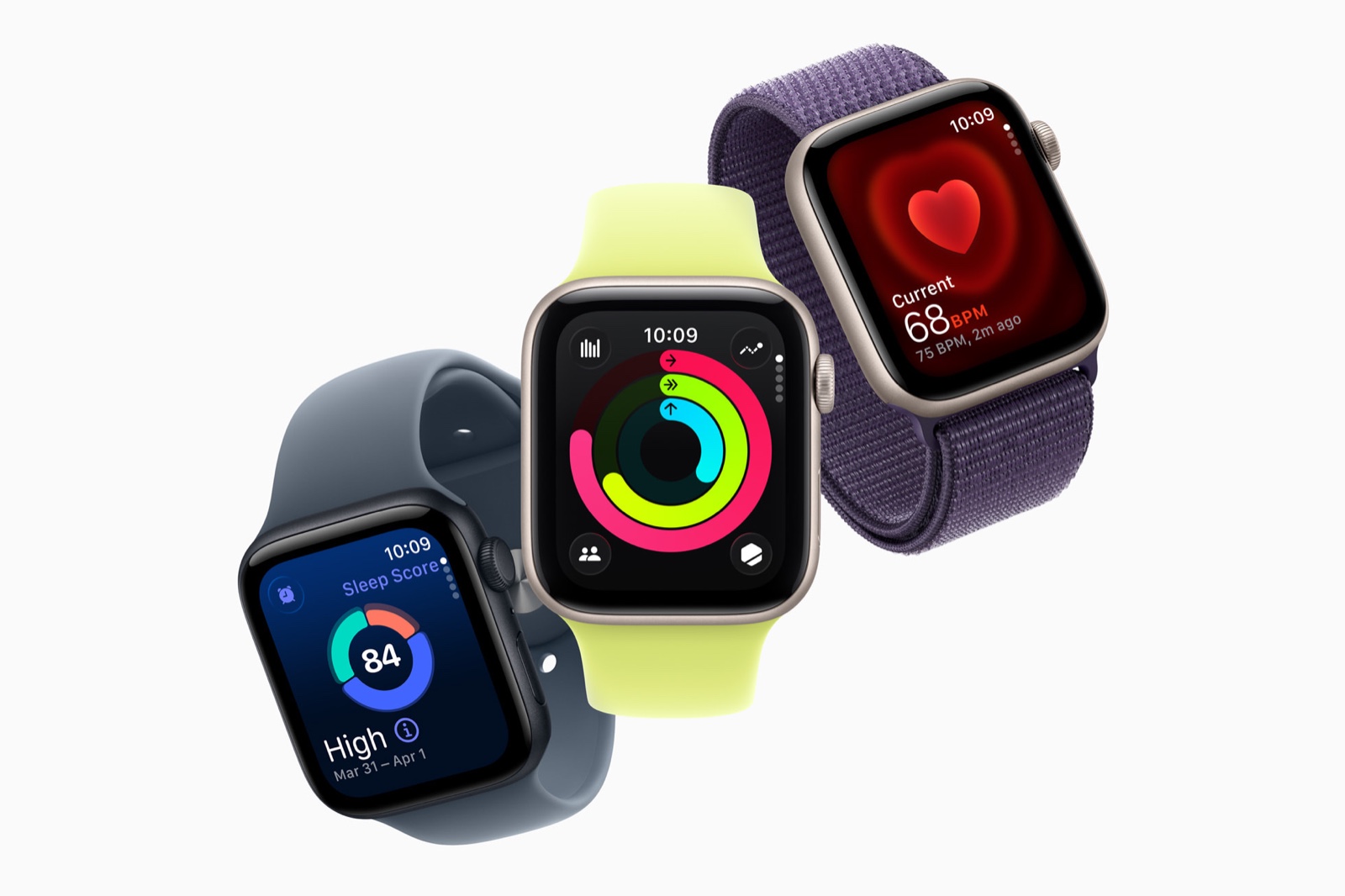
iPhone default: Apple Watch SE 3. $249 list buys the S10 chip, always-on display, temperature sensing, and the full safety feature set; its 18-hour battery is the main tradeoff. Check price on Amazon.
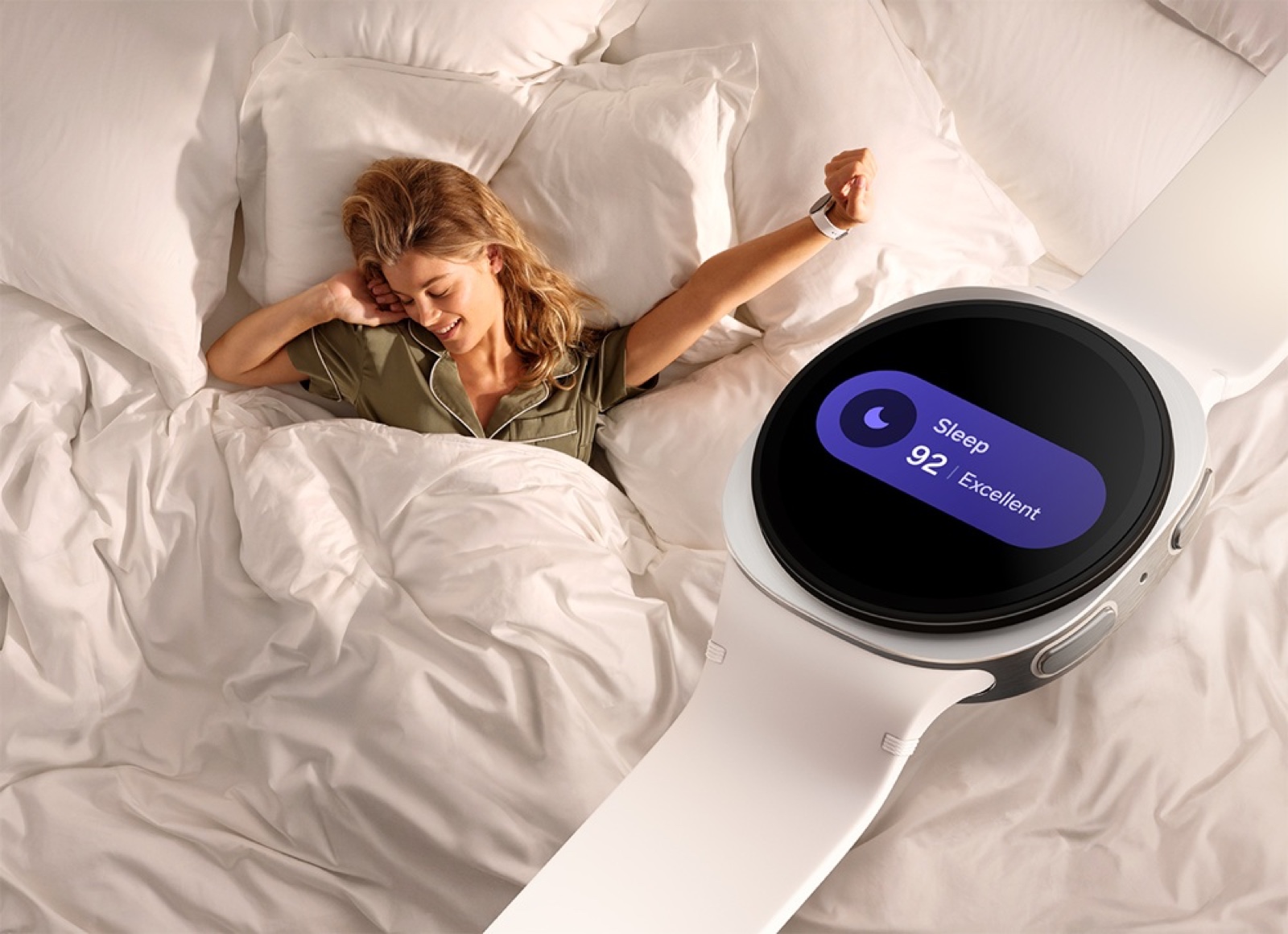
Android default: Samsung Galaxy Watch 8 (44mm). Up to 30 hours with the always-on display, ECG and rhythm notifications in the Samsung ecosystem, and Wear OS app support. Samsung’s store now lists it from $299.99, because the Galaxy Watch9 shipped on August 7, 2026 from $379.99; the newer watch adds a faster chip and a bigger battery in the 40mm size, but for a first smartwatch the outgoing model at the lower price is the better value. Check price on Amazon. (Pixel owners: the Pixel Watch 4’s 30-to-40-hour battery makes it the tidier pairing. )
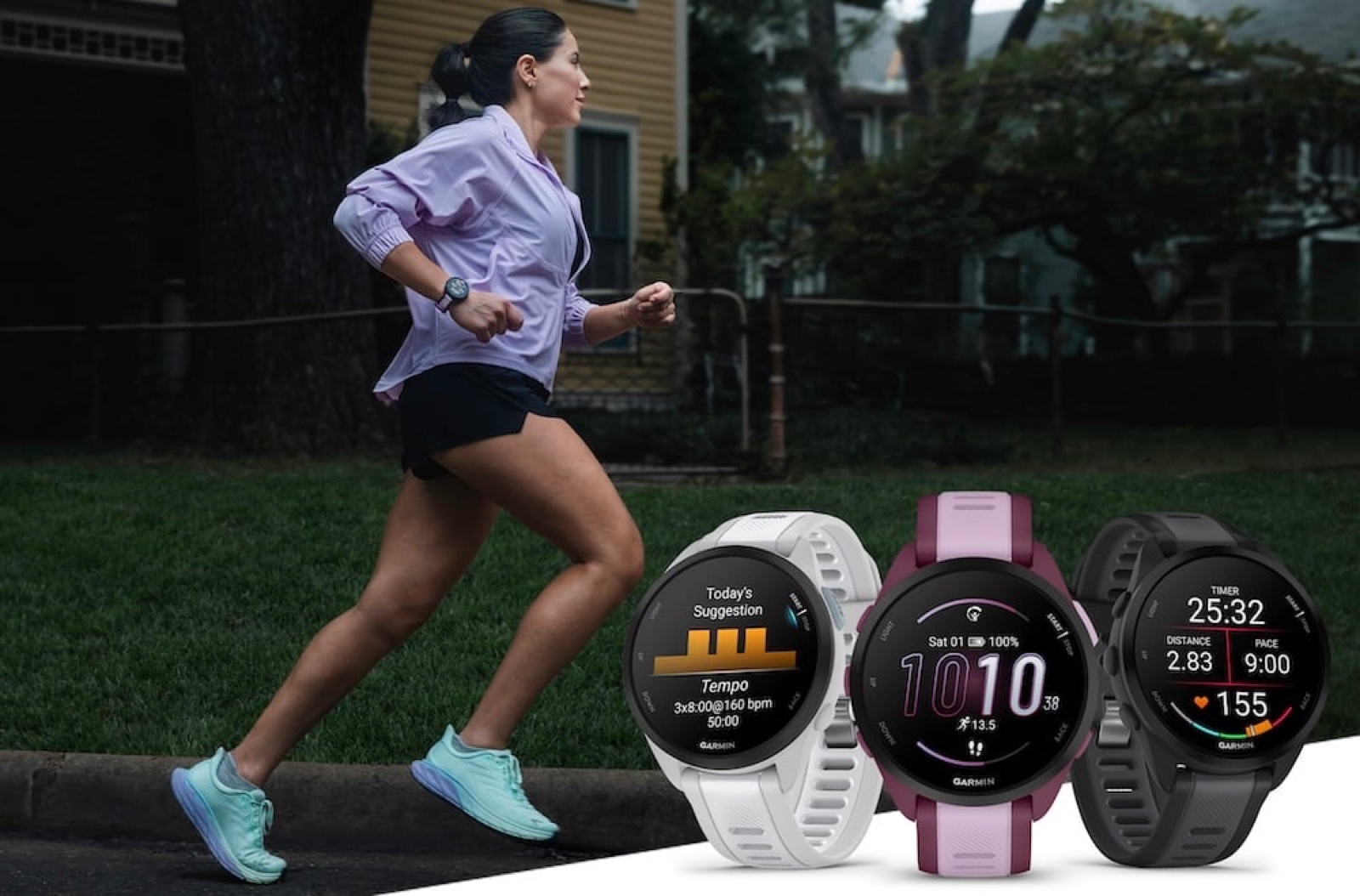
Battery-first and runners: Garmin Forerunner 165. $249.99 list, up to 11 days of battery, built-in GPS, and no subscription needed for its training features. Check price on Amazon.
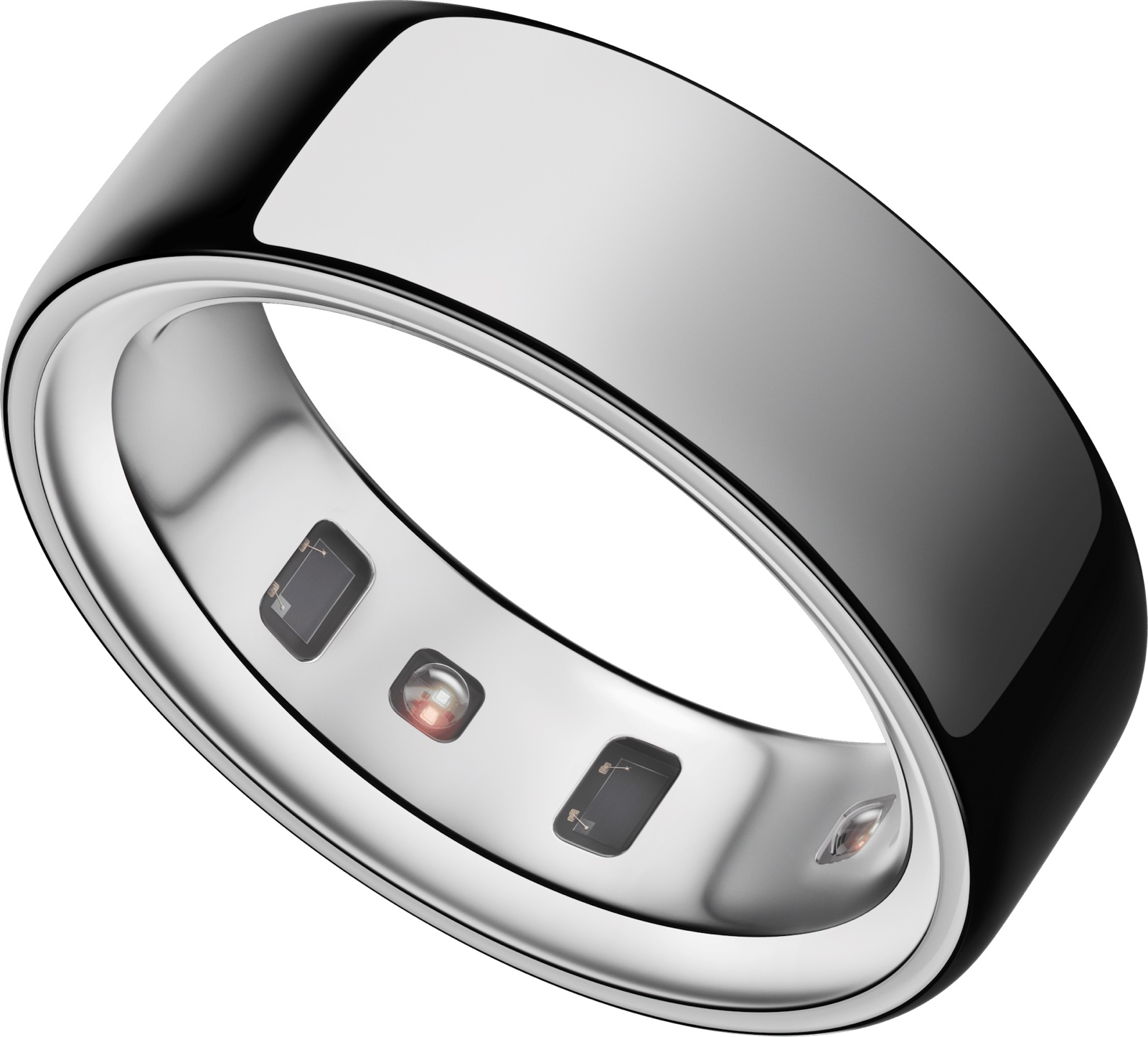
Screenless sleep-first: Oura Ring 4. The strongest performer in the lab sleep comparison above, with one caveat: that study tested Gen3 hardware, so read it as evidence about Oura’s sleep-staging approach rather than a measurement of the ring in the box. Note the generation too, since Oura shipped the Ring 5 on June 4, 2026 from $399, leaving the Ring 4 on sale at $349 as the outgoing model. Budget the $69.99-a-year membership honestly and use Oura’s free sizing kit before ordering a size. Check price on Amazon. If the subscription is a dealbreaker, the Galaxy Ring (from $299.99 on Samsung’s store, no membership) is the counter-pick for Android users.
The control group: Casio W-800H. $39.95, a decade of battery, 100-meter water resistance, and immunity to every subscription, recall, and software sunset covered above. Check price on Amazon.
If you only want fitness tracking and none of the watch part, that is a different shopping list with a different price structure: the smart fitness tracker guide prices bands, rings and screenless trackers over three years, subscriptions included.
For the phone side of the pairing decision, the current smartphone rankings cover which ecosystem you are marrying; if the budget is gift-shaped, the holiday tech gift guide and budget wireless earbuds picks pair well with any watch on this list.
What September Changed
If an Apple Watch is your likely answer, the calendar question settled itself on September 9, 2026. Apple introduced the Apple Watch Series 12, which “starts at $399 (U.S.),” and the Apple Watch Ultra 4, which “starts at $799 (U.S.),” both open for pre-order that day and in stores September 18. It did not replace the SE, exactly as Bloomberg’s Mark Gurman had reported, so the SE 3 remains the pick above at $249 and nobody who bought one in August lost anything by not waiting. What the extra money now buys, in Apple’s own claims: the Series 12 keeps “up to 24 hours of everyday battery life,” adds “up to 10 hours of battery life during an outdoor workout,” and charges 15 minutes for “up to 12 hours of additional battery life”; the Ultra 4 claims “up to 50 hours” of everyday use and “up to 84 hours” in Low Power Mode. Those are Apple’s figures from Apple’s tests, not measurements, and they do not change the caste system in the battery table: a full smartwatch still charges every day or two. The same logic applies more softly elsewhere: Samsung’s Galaxy Ring is a mid-2024 product already selling below list on Samsung’s own store, which is usually what the runway before a successor looks like. Garmin’s Forerunner 165 and the Casio are safe buys year-round; neither market moves on a September clock.
Frequently asked questions
Are smartwatches worth it?
Worth it if you will use the excellent 20 percent: heart rate training, GPS, safety alerts, and rhythm notifications. Not worth it if you are buying the mediocre 80 percent: calorie scores, stress gamification, and app-store novelty that fades by February. The three-year cost, not the sticker, is the number to decide with.
What are the biggest disadvantages of a smartwatch?
Daily charging on the flagship models, subscriptions that can double the real cost, wellness metrics (calories especially) that validation studies find wildly imprecise, a five-to-six-year software lifespan on even the best-supported models, and medical-adjacent features that are marketing-regulated rather than medically regulated.
Do smartwatches work without a subscription?
The watches themselves do; several ecosystems paywall the analysis layer. Garmin and Samsung currently keep core features free, Fitbit’s deeper insights sit inside Google Health Premium at $9.99 a month, and an Oura ring without membership shows only three daily scores and basics. Check the subscription line before the spec sheet; it moves the real price more than any sensor does.
How long does a smartwatch battery last?
It depends on the class. Apple rates the Apple Watch SE 3 at up to 18 hours, or up to 32 in Low Power Mode; Google rates the Pixel Watch 4 at 30 to 40 hours and Samsung the Galaxy Watch 8 at up to 30 hours with the always-on display. The band and ring class runs days, not hours: up to 7 days for the Fitbit Charge 6, up to 11 days for the Garmin Forerunner 165, and 5 to 8 days for the Oura Ring 4.
How accurate is a smartwatch heart rate monitor?
Good at steady state, poor at counting calories. The Stanford-led validation study tested seven wrist devices against clinical ECG and found median heart rate error below 5 percent in most activity modes, best on the bike (1.8 percent) and worst walking (5.5 percent). In the same study, no device estimated energy expenditure within 20 percent; median calorie error ran from 27.4 percent for the best device to 92.6 percent for the worst.
Is a smart ring better than a smartwatch?
For sleep, slightly; for everything interactive, no. In a validation study published in Sensors, the Oura Ring (Gen3 hardware) matched laboratory polysomnography on 76.3 percent of 30-second epochs, against 75.0 percent for the Apple Watch Series 8 and 70.9 percent for the Fitbit Sense 2. A ring cannot show notifications, navigate a run, or call for help after a fall; GPS and fall detection live in the watch class. On price, the Oura path runs about $559 over three years with its membership, while Samsung’s Galaxy Ring has no subscription at the $299.99 its store advertises and Garmin’s screenless CIRQA band costs $199.99.
Where This Leaves You
The smartwatch is neither the health revolution the keynotes promised nor the overpriced notification toy the cynics describe. It is a good heart rate monitor, a great safety pendant disguised as a gadget, a mediocre calorie counter, and a subscription funnel, all on one wrist. Buy it for the parts that measured well, price it over three years, and if your honest use case is sleep, consider a ring instead. And if you are leaning Apple, the September question is settled: the Series 12 and Ultra 4 are on sale, the SE 3 was not replaced, and the pick above stands. The answer to “which smartwatch” changed with that event; the answer to “do you need one” above did not.
Sources (32)
- apple.com Apple Watch SE 3
- apple.com Apple Fitness+
- apple.com Apple Newsroom: An update on Blood Oxygen for Apple Watch in the US
- support.apple.com Apple Support: Use fall detection on Apple Watch
- garmin.com Garmin Newsroom: Forerunner 165 Series press release
- garmin.com Forerunner 165 product page
- garmin.com Garmin Newsroom: Forerunner 70 and Forerunner 170 press release
- garmin.com Garmin Newsroom: CIRQA Smart Band press release
- garmin.com Garmin Newsroom: Garmin Connect+ press release
- ouraring.com Oura Store: Oura Ring 4
- support.ouraring.com Oura Support: Oura Membership
- samsung.com Galaxy Ring
- apple.com Apple Newsroom: Introducing Apple Watch Series 12
- apple.com Apple Newsroom: Apple unveils Apple Watch Ultra 4
- 9to5mac.com Apple Watch Series 12 and Ultra 4, what to expect
- techcrunch.com Oura unveils its Ring 5 with a thinner, lighter design starting at $399
- samsung.com Galaxy Watch8
- samsung.com Galaxy Watch9
- cnbc.com Apple Watch blood oxygen returns after patent dispute
- cnbc.com Samsung launches the Galaxy Ring
- techcrunch.com Galaxy Ring arrives July 24 for $399
- techcrunch.com Google Health Premium AI health coach launches May 19
- store.google.com Google Store: Fitbit Charge 6
- store.google.com Google Store: Pixel Watch 4
- casio.com W-800H-1AV
- nejm.org Large-Scale Assessment of a Smartwatch to Identify Atrial Fibrillation
- mdpi.com Journal of Personalized Medicine: Shcherbina et al. wrist wearable accuracy study
- nature.com npj Digital Medicine: Bent et al. sources of inaccuracy in optical heart rate sensors
- link.springer.com J Racial and Ethnic Health Disparities: skin tone heart rate accuracy systematic review
- mdpi.com Sensors: accuracy of three commercial wearables for sleep tracking
- fda.gov General Wellness Policy for Low Risk Devices
- en.wikipedia.org Wikipedia: Apple Watch



🦋 Discussion on Bluesky
Discuss on Bluesky