


Buying a game console used to get cheaper the longer you waited. In 2026 that logic is dead: every major machine now costs more than it did at launch, the Switch 2 rose another $50 on September 1, and the biggest game of the decade lands November 19 on exactly two of them. Waiting has stopped being a strategy, which means picking right the first time matters more than it has in any previous console generation.
This guide reviews every current console and gaming handheld you can buy, prices the full five-year cost of owning each one, and starts with the question that decides whether an expensive gift lands as a hit or a mistake: which ecosystem does the person already play in?
Gaming console options at a glance
| If you want… | Buy | Price (Aug 2026) |
|---|---|---|
| The family machine | Nintendo Switch 2 | $499.99 (was $449.99 until Sept 1) |
| The biggest exclusive library | PlayStation 5 | $649.99 ($599.99 digital) |
| The cheapest way into a huge library | Xbox Series S + Game Pass | $499.99 + $9.99/mo and up |
| Maximum living-room horsepower | PS5 Pro or Xbox Series X | $899.99 / $799.99 |
| A console that is also a computer | Steam Deck OLED or ROG Xbox Ally X | $789 / $999.99 |
All prices are US list prices as of August 2026. Every one of them changed this year, so treat anything older than a few months, including cached search results, as stale.
Buying a gift? Ask one question before anything else
Which ecosystem does this person already live in?
Not “which console wins on specs.” Which controller do their hands already know, where do their friends play, and where is their game library? Someone who has played on Xbox for years has an account holding years of digital game purchases, a friends list, save files, and a decade of controller muscle memory. Handing that person a PlayStation is not an upgrade. It is asking them to abandon everything they own and start over: digital game libraries do not transfer between PlayStation, Xbox, and Nintendo, and neither do save files or friend networks in the general case.
A two-minute reconnaissance beats any spec sheet:
- Look at the controller they already use. That brand is the default answer.
- Ask what they mainly play. If it is one big cross-platform game (Fortnite, Minecraft, Call of Duty, Roblox), the account usually carries progress across platforms, and switching hurts far less.
- Check for an active subscription. A prepaid year of PlayStation Plus or Game Pass is a vote for staying put.
- If they already own everything, a second ecosystem as an addition works. A Switch 2 next to a PS5 is a classic combo: Nintendo’s exclusives exist nowhere else.
- When in doubt, stay in their ecosystem one generation newer. The upgrade path (Xbox One to Series X, Switch to Switch 2, PS4 to PS5) keeps their library, since all three vendors support broad backward compatibility within their own family.
The rest of this guide assumes you have either answered that question or you are buying for yourself, where taste gets a vote.
Why every console suddenly costs more
Short version: every vendor raised prices in 2026. Sony in April, Microsoft in August, Valve in May, and Nintendo’s $50 increase took effect September 1. The cause is memory chips: AI data centers are outbidding consumer electronics for them, the same squeeze that has already pushed up laptop and phone prices. Microsoft was blunt about where it’s heading: “Console storage and memory prices have increased by more than 2.5x and we expect another doubling by the fall of 2027.” So don’t wait for these prices to fall. The realistic best case is a holiday bundle with a game in it.
Game console reviews: every high-tech gaming console compared
| Machine | US price (Aug 2026) | Storage | Plays | Online multiplayer cost |
|---|---|---|---|---|
| Nintendo Switch 2 | $499.99 (up from $449.99 on Sept 1) | 256 GB | Switch 2 + original Switch library | $19.99/yr |
| Xbox Series S | $499.99 | 512 GB | Same library as Series X | from $9.99/mo |
| PS5 Digital Edition | $599.99 | 1 TB | PS5 + most PS4 games | from $79.99/yr |
| PS5 (disc) | $649.99 | 1 TB | PS5 + PS4, disc + digital | from $79.99/yr |
| Xbox Series X | $799.99 ($749.99 digital) | 1 TB | Four generations of Xbox | from $9.99/mo |
| Steam Deck OLED | $789 (512 GB) / $949 (1 TB) | 512 GB–1 TB | Your entire Steam library | Free |
| ROG Xbox Ally / Ally X | $599.99 / $999.99 | 512 GB / 1 TB | Windows: Steam, Game Pass, everything | Free |
| PS5 Pro | $899.99 | 2 TB | PS5 library, highest fidelity | from $79.99/yr |
The five-year cost nobody adds up at the register
The sticker price is the smaller number. Consoles charge for online multiplayer through subscriptions, and over a realistic five-year ownership window the subscription can cost more than the hardware. The table below adds the console to five years of the cheapest tier that unlocks online play, with no games included and the one bundled controller assumed.
| Setup | Hardware | 5 yrs of online play | True 5-year cost |
|---|---|---|---|
| Switch 2 | $499.99 | $99.95 | $599.94 |
| Steam Deck OLED 512 GB | $789.00 | $0 | $789.00 |
| PS5 Digital + PS Plus Essential | $599.99 | $399.95 | $999.94 |
| ROG Xbox Ally X | $999.99 | $0 | $999.99 |
| PS5 (disc) + PS Plus Essential | $649.99 | $399.95 | $1,049.94 |
| Series S + Game Pass Essential | $499.99 | $599.40 | $1,099.39 |
| PS5 Pro + PS Plus Essential | $899.99 | $399.95 | $1,299.94 |
| Series X + Game Pass Essential | $799.99 | $599.40 | $1,399.39 |
The formula per row: hardware price + (annual subscription × 5), using Nintendo Switch Online at $19.99/year, PlayStation Plus Essential at $79.99/year, and Game Pass Essential at $9.99/month ($119.88/year, since Microsoft sells its entry tier monthly).
Three things jump out of that table:
Nintendo is not just the cheapest console. It is the cheapest by a factor of two against anything in the PlayStation or Xbox living-room lineup, mostly because its online service costs a quarter of Sony’s.
The PC-based handhelds have no online toll at all. Steam and Windows charge nothing for multiplayer. That is how a $789 Steam Deck OLED undercuts a $500 Series S over five years, and it is the quietest argument for the handheld-PC route.
Game Pass is a value machine only if you use it like one. Swap Essential for Game Pass Ultimate at $22.99/month and the Series X’s five-year total climbs to $2,179.39. In exchange, Ultimate replaces game purchases for many players, with a large rotating library plus day-one Xbox first-party releases. A player who buys three or four $70 games a year comes out ahead; a player who lives inside one annual sports title does not. One honest warning for the Call of Duty crowd, from Microsoft’s own announcement: “future Call of Duty titles won’t join Game Pass Ultimate or PC Game Pass at launch.”
Subscription prices moved in both directions this year: Sony nudged monthly PS Plus rates up in May, while Microsoft cut Game Pass Ultimate to $22.99 in April after an October 2025 hike triggered enough cancellations to overwhelm its own cancellation page. Annual plans, where they exist, are the hedge against the next move.
Best for families and first consoles: Nintendo Switch 2
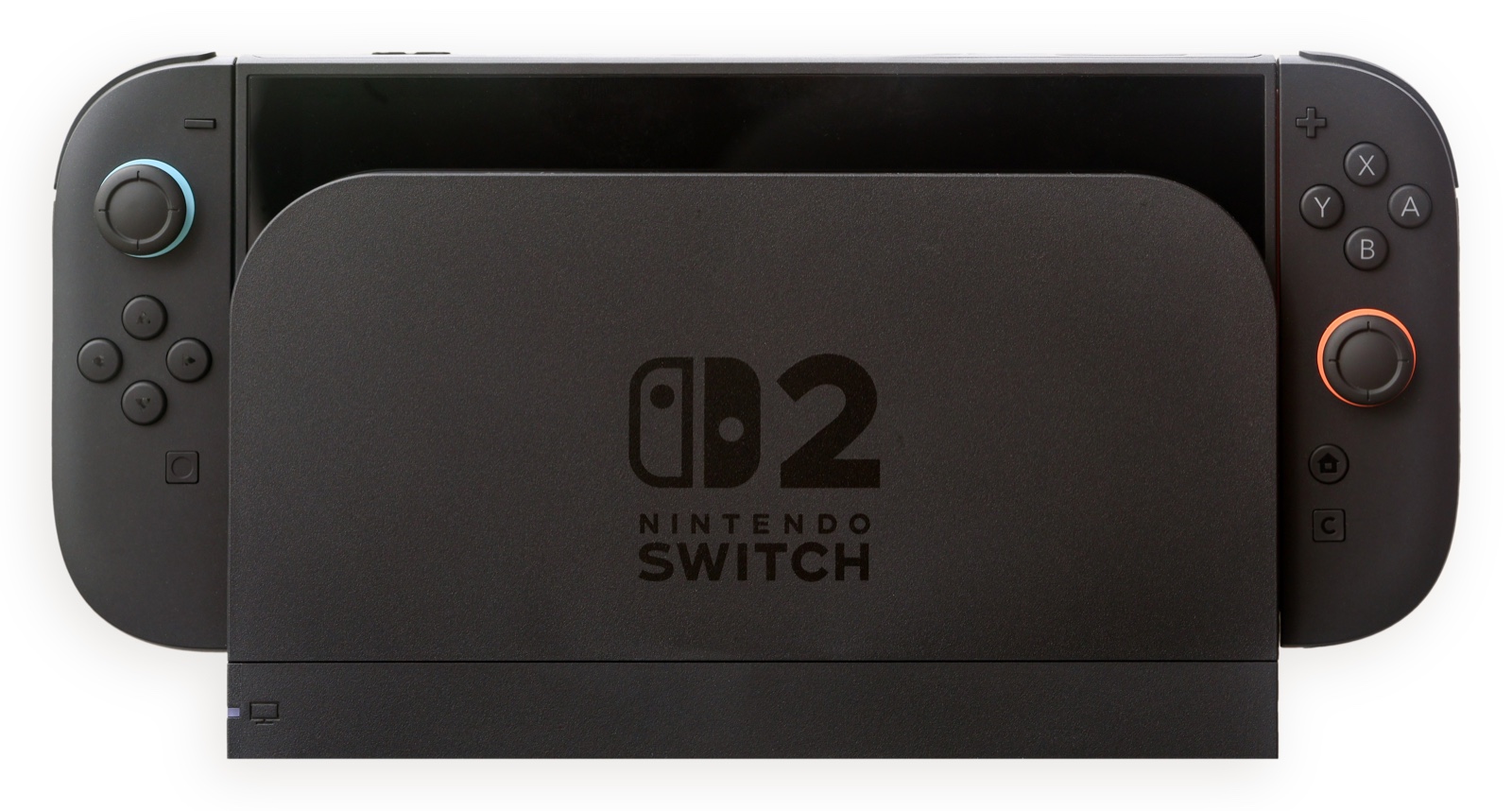
The Switch 2 is the easy recommendation for households, kids, and anyone who wants gaming to be a couch activity rather than a hobby with system requirements. The hybrid trick remains unmatched: a 7.9-inch 1080p screen with HDR at up to 120 Hz in the hand, up to 4K output docked, and the entire original Switch library carries forward. Mario Kart, Zelda, and Pokémon exist here and nowhere else, parental controls are genuinely usable, and the $19.99-per-year online service makes the five-year math embarrassing for the competition.
The caveats: 256 GB of storage fills fast at modern game sizes, third-party blockbusters often run at reduced settings compared with a PS5 or Series X, and Nintendo first-party games famously never go on sale. The price rose $50 to $499.99 on September 1, 2026, and Nintendo has not announced a further change, so there is no reason to wait past a sale.
Best exclusive library: PlayStation 5
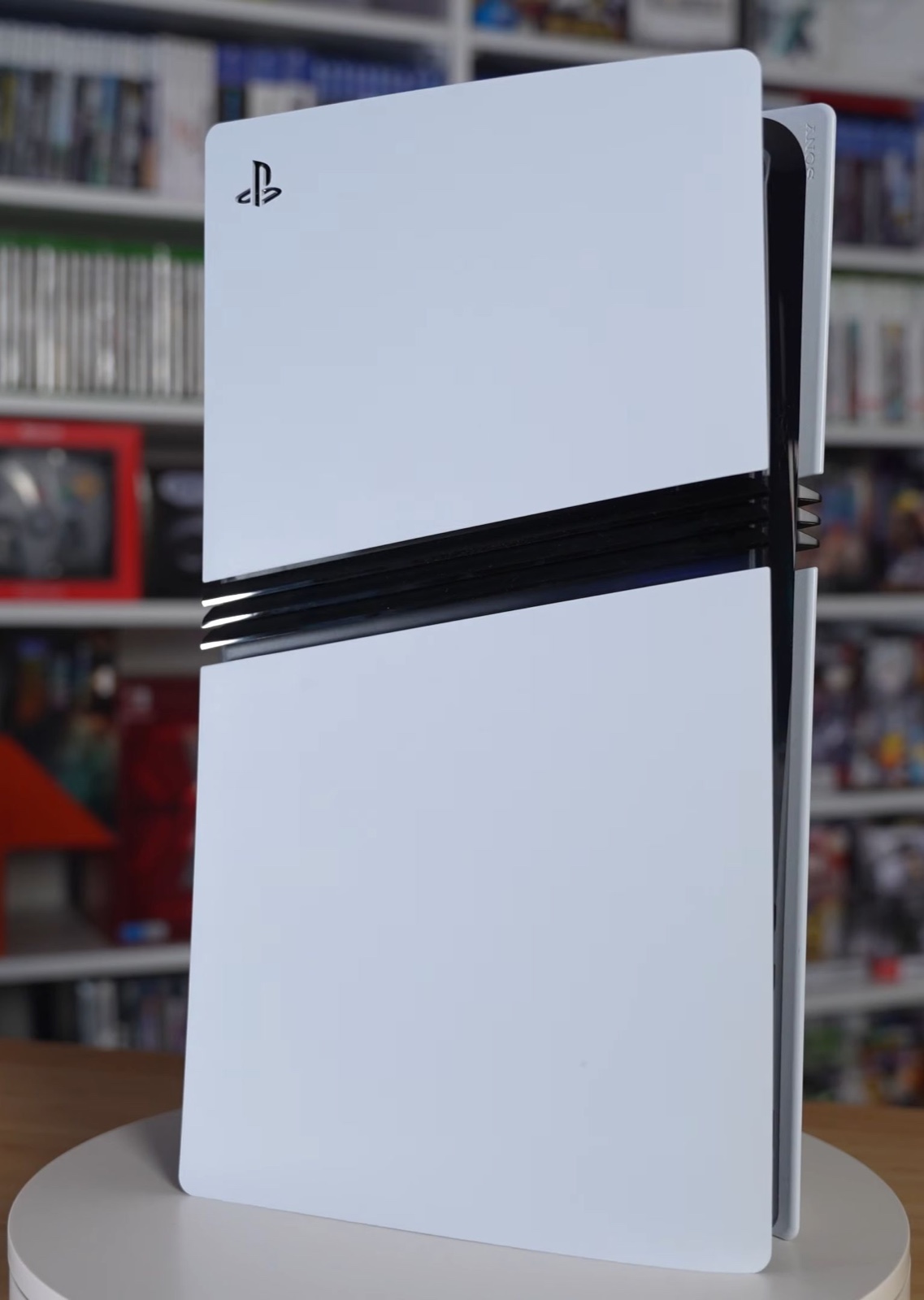
Check the PS5 disc model’s price on Amazon
The PS5 remains the default “serious gamer” console for one durable reason: the games. Sony’s own catalog, from God of War and Spider-Man to The Last of Us and Horizon, is an exclusive lineup no rival matches, and PlayStation is where major third-party releases sell the bulk of their copies. The DualSense controller’s haptics remain a genuine differentiator, and the disc model is also a 4K Blu-ray player and an escape hatch to used and borrowed games.
The decisions inside the ecosystem: the $599.99 Digital Edition saves $50 but locks every purchase to Sony’s store forever, and the disc drive pays for itself with a handful of used games, so most buyers should spend the extra $50. The $899.99 PS5 Pro renders games at higher fidelity and frame rates, but at $250 over the standard model it is for enthusiasts with high-end TVs, not a default pick. The tax is the subscription: PlayStation Plus is the priciest online service of the three, and Sony’s exclusives arrive on PC only years later, if at all. A PlayStation library stays on PlayStation.
Best subscription value: Xbox Series S and Series X
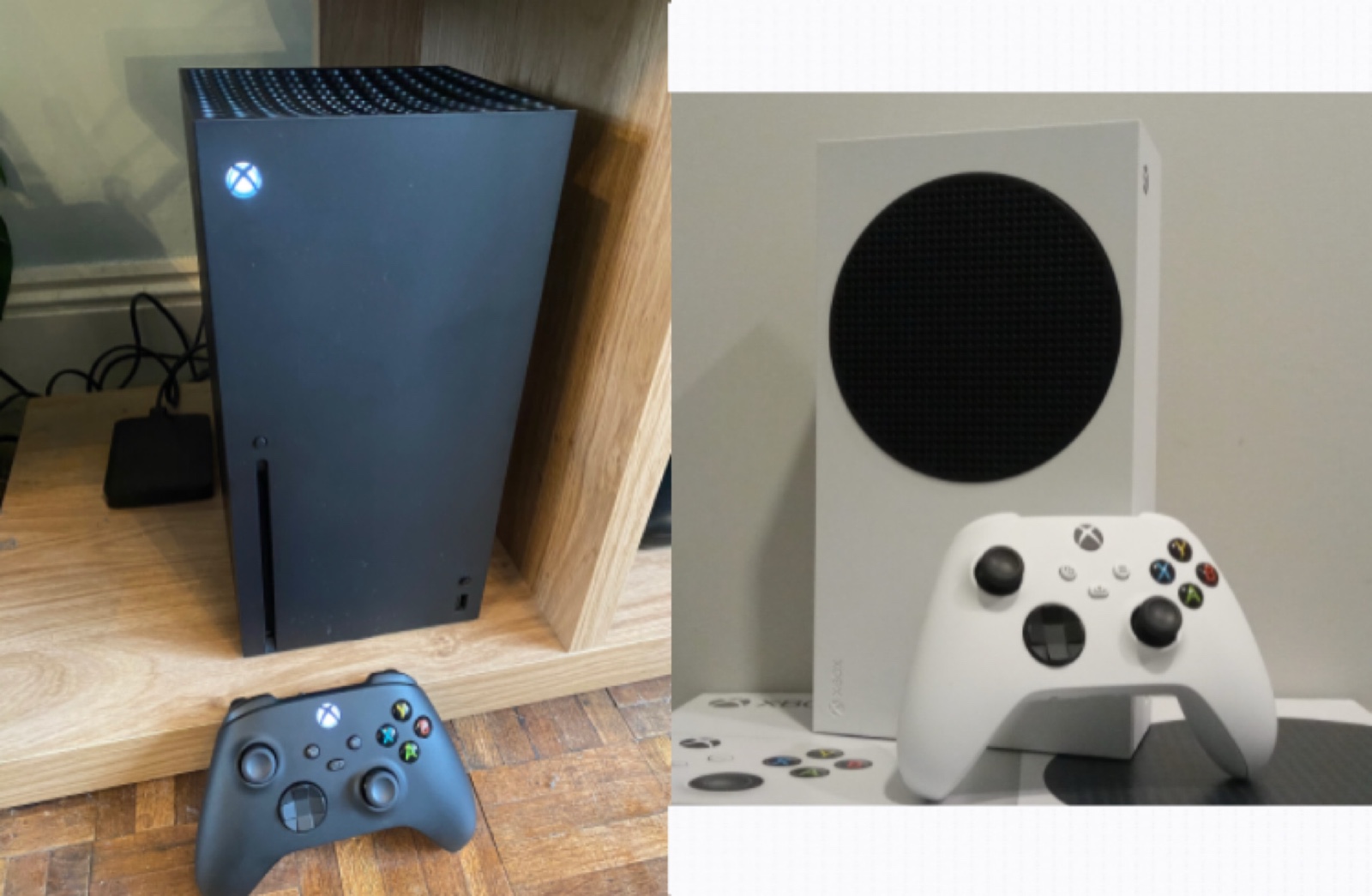
Check the Series X price on Amazon
Xbox’s pitch in 2026 is not a box, it is a library. Game Pass Ultimate at $22.99 a month bundles hundreds of games, every first-party release on day one (with the Call of Duty exception above), cloud streaming, and PC access. For a player who samples widely instead of buying two big games a year, it is the best deal in gaming, and the $499.99 Series S is the cheapest hardware that unlocks it. The Series S plays the same library as the X at lower resolution, digital-only; the $799.99 Series X adds true 4K muscle and a disc drive, and both machines play four generations of Xbox discs and purchases, the deepest backward compatibility of any platform.
The caveats are structural. August’s price increase made the Series X the most expensive mainstream console in America, $150 over a standard PS5. Microsoft’s exclusive lineup still trails Sony’s in prestige hits, and its entry-level online tier costs more per year than Sony’s because it only comes monthly. Buy Xbox for the subscription economics and the library breadth, not for exclusives.
One more thing worth knowing for long-term planning: Microsoft has said its next-generation console will be “a very premium, very high-end curated experience” informed by the Windows-based Ally handheld. In plain terms, the next Xbox looks less like a sealed appliance and more like a curated gaming PC, and many Microsoft titles already support Xbox Play Anywhere, where one purchase covers both console and PC. An Xbox library is increasingly a Microsoft-plus-Windows library, which is genuinely useful continuity for a young player who might drift to PC gaming later. The flip side: “very premium” is executive-speak for expensive.
The handheld PCs: Steam Deck OLED and ROG Xbox Ally X
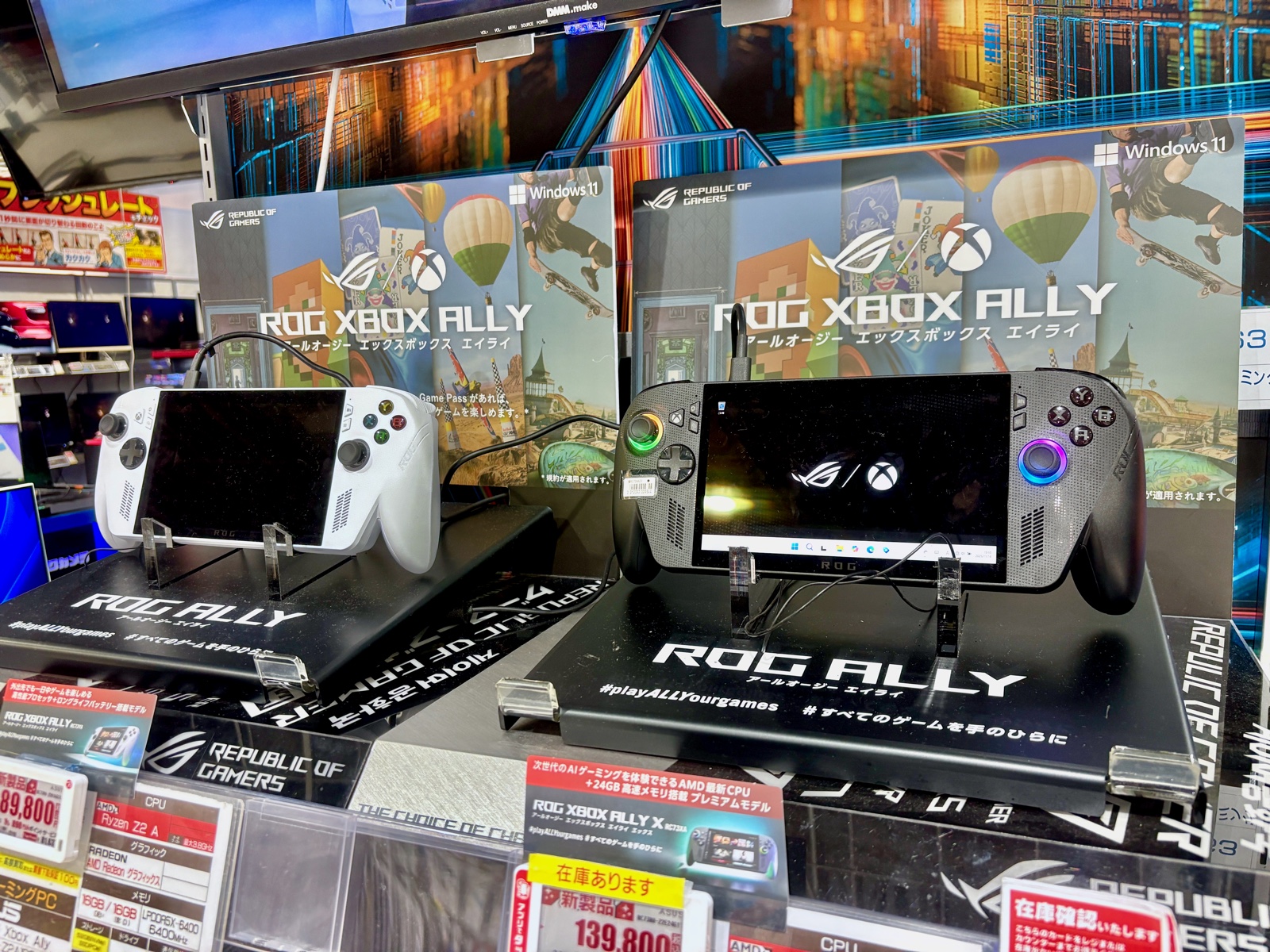
A growing share of “console” buyers should buy a handheld PC. The case is simple: no online fees, Steam sales instead of full list prices, and a library that already belongs to you if you have ever played on PC.
The Steam Deck OLED is the curated option. SteamOS hides the PC underneath, the 7.4-inch HDR OLED screen is excellent, and Valve’s “verified” badge tells you what runs well. Its 2026 problem is price: the memory squeeze pushed the 512 GB model from $549 to $789 and the 1 TB to $949, erasing much of its old value edge. It also sits on aging silicon. That is fine for indies and most AAA games on the built-in 800p screen, but no longer effortless on new releases.
The ROG Xbox Ally X ($999.99, with a $599.99 non-X sibling) is the powerful option: a full Windows 11 machine wearing an Xbox interface, with an AMD Ryzen AI Z2 Extreme chip, 24 GB of RAM, a 1 TB SSD, and a 7-inch 1080p 120 Hz display. It runs Game Pass, Steam, Epic, and everything else Windows runs, which makes it the least locked-in gaming device on this page. The trade: Windows handhelds still demand more fiddling than a console, battery life under heavy load is short, and $1,000 buys a lot of console elsewhere.
Pick the Deck for simplicity per dollar, the Ally X for power and openness. Either one fits if the five-year subscription math above offends you, since neither charges anything to play online.
What the spec-sheet numbers mean
Marketing pages promise “4K 120 Hz” on nearly every box above. What that means in practice:
- PS5 and Series X: 4K at 60 frames per second is the realistic norm for big releases; 120 Hz modes exist but usually at reduced resolution or in lighter titles. The machines are close enough in real performance that ecosystem should decide, not benchmarks.
- PS5 Pro: the use case is holding higher frame rates and image quality at once on a 4K TV, via more GPU and Sony’s AI upscaling. On a 1080p TV it is wasted money.
- Series S: targets 1440p, not 4K. On a big living-room screen the difference is visible; in a bedroom or dorm it mostly is not.
- Switch 2: “up to 4K” applies docked, in supported games, with upscaling doing real work. The handheld screen at 1080p is the headline feature.
- Handheld PCs: resolution ceilings matter less than thermals and battery. The constraint is sustained wattage in the hand, which is why the Ally X’s newer chip is the segment’s real spec advantage.
Disc drive or digital-only? What “owning a game” means now
Every console maker sells a cheaper machine with no disc drive. Before taking that discount, know the trade. A disc or cartridge can be resold, lent to a friend, bought used for half price, and played decades from now. A digital purchase is a license tied to one account and one store, and stores delist games. The $50 you save on a PS5 Digital Edition can evaporate with two used-game purchases you can no longer make. Rule of thumb: if you resell games, share with siblings, or buy used, get the disc model. If you have bought nothing but digital for years, your habits already made the choice.
One trap for Switch 2 gift buyers, and it has a name: the game-key card. Many third-party Switch 2 games sold in boxes are not on the cartridge. The card is a key that triggers a download, and it must stay inserted to play; if the download servers ever go away, the card cannot rebuild the game on its own. Nintendo’s own releases still overwhelmingly ship complete on the cartridge. Check the front of the box: key-card releases are labeled “game-key card.”
The GTA VI question
One game hangs over every console purchase this year. Grand Theft Auto VI is dated November 19, 2026, and it is coming to PS5 and Xbox Series X|S. No Switch 2 version and no PC version have been announced, and Rockstar historically ships PC versions a year or more after consoles, so a handheld-PC purchase made partly for GTA VI is a bet on patience.
If the person you are shopping for cares about this game, and an enormous number of people do, the console needs to be a PS5 or an Xbox Series machine. A Series S technically qualifies, but a game of this scale is exactly where the budget console’s reduced resolution and 512 GB of storage become the constraint. For a household that revolves around GTA, a disc-drive PS5 or a Series X is the safe call.
When to buy: the dates that matter
- September 1, 2026, has passed: the Switch 2 now lists at $499.99, up from $449.99.
- August–October: Xbox prices reset upward on August 1 and PlayStation’s increase landed back in April, and Microsoft expects memory costs to keep rising into 2027, so waiting for a Black Friday console discount is a much weaker bet than in past years. Bundles with a game are the realistic best case.
- November 19, 2026: GTA VI launch day. Expect console availability to tighten around it; buying the machine before the rush is cheap insurance.
- Waiting for next-gen? Microsoft has confirmed next-generation hardware is in development, with no launch window announced, and rising component costs make “cheaper later” unlikely. Buy for the games that exist now.
How this guide was built
Every price was checked against the vendor’s own announcement or store page in August 2026, not cached retailer data, because every single platform changed prices this year. The Amazon links are affiliate links and the site may earn a commission; that costs you nothing and never changes a ranking. Nobody here has been paid to place a product, and the five-year cost table is math, not opinion.
Frequently asked questions
Which game console is best overall in 2026?
For most households, the Nintendo Switch 2: the lowest five-year cost in the comparison table above, exclusive games, and it works for the whole family. For a dedicated player, match the ecosystem they already live in. That means PS5 for exclusive-driven players, Xbox for Game Pass value, and a handheld PC for flexibility and zero online fees.
Will console prices come back down?
Unlikely soon. Microsoft says console memory and storage costs have risen more than 2.5x and expects “another doubling by the fall of 2027,” and Nintendo calls the pressures “medium to long term.” Plan around prices rising, not falling.
Do you need a subscription to play online?
On PlayStation, Xbox, and Switch 2, yes, for almost all paid games ($79.99/yr, $9.99/mo, and $19.99/yr respectively at the entry tier). On Steam Deck and Windows handhelds, online play is free. Free-to-play games like Fortnite generally skip the requirement on consoles too.
Should a PC gamer buy a console at all?
Usually only for exclusives or the couch. A PC gamer’s library already lives on Steam, which a Steam Deck OLED carries to the couch and a ROG Xbox Ally runs natively. The exceptions: PlayStation’s exclusives and GTA VI at launch, which remain console-first.
Final verdict
The 2026 console market punishes the casual shopper twice: prices rose everywhere, and the wrong-ecosystem gift costs more than money. So work the short list. Confirm the ecosystem first. If it is Nintendo, or nobody has a console yet, buy the Switch 2 at its $499.99 list price or on the first sale you see. If it is PlayStation, the $649.99 disc model is the right one. If it is Xbox, decide whether the person plays broadly (Series S or X plus Game Pass is unbeatable value per game) or narrowly (in which case the math favors PlayStation or a handheld). And if the person already lives on Steam, skip the console aisle entirely. The machine they want is a handheld PC, and it never charges them to play online again.
Sources (23)
- news.xbox.com Xbox Wire: Updated Xbox Console Prices
- blog.playstation.com PlayStation.Blog: New Price Changes for PS5, PS5 Pro and PlayStation Portal
- nintendo.com Price Revision for Nintendo Switch 2 System
- news.xbox.com Xbox Wire: Xbox Game Pass Ultimate Price Update
- nintendo.com Compare Nintendo Switch Online Memberships
- tomshardware.com Valve hikes Steam Deck OLED prices
- xbox.com ROG Xbox Ally and Ally X handhelds page
- microsoft.com Microsoft Store: ROG Xbox Ally X
- news.xbox.com Xbox Wire: Xbox and AMD next generation partnership
- purexbox.com Sarah Bond next-gen console interview
- purexbox.com Game Pass October 2025 price breakdown
- kotaku.com Xbox console price increase August 2026
- comicbook.com PlayStation Plus price changes May 2026
- gamerant.com GTA 6 release date reaffirmed
- nintendo.com Switch 2 tech specs
- gamerant.com Switch 2 game-key card controversy explained
- nintendolife.com Switch 2 game-key card list
- notebookcheck.net Game Pass cancellation page crash
- rockstargames.com Rockstar Newswire: GTA VI set to launch November 19, 2026
- en.wikipedia.org Wikipedia: Grand Theft Auto VI
- microsoft.com Microsoft Store: Xbox Series X
- playstation.com PS5 Pro product page
- store.steampowered.com Valve: Steam Deck product page





🦋 Discussion on Bluesky
Discuss on Bluesky