


Eight fitness trackers are worth buying right now, one for each kind of buyer. The cheapest is a $49.90 band with no subscription. The most expensive costs nothing up front and bills up to $359 a year, forever. That is the one thing to understand about this category before you buy: some trackers charge you once, and some charge you every month. Every pick below shows both numbers.
Quick answers first. On a tight budget, get the Xiaomi Smart Band 10 at $49.90. Xiaomi has since added the Smart Band 11 Active to its global site, a 1.47-inch band rated for up to 21 days in light use, but it has no US listing yet, so the Band 10 keeps the budget slot until it does. For the best mix of features, US support, and no monthly bill, get the Google Fitbit Air at $99.99 or the Garmin CIRQA at $199.99. iPhone owners who want safety features should get the Apple Watch SE 3 at $249. The rest of the picks, and who they suit, are below.
Every price is the maker’s own list price as of mid-August 2026, and prices move. The Amazon links are affiliate links and the site may earn a commission.
The prices, including the ones on the box and the ones that come later
The subscription column is what the maker charges to unlock its analysis features. It is not a guess at what you might spend.
| Tracker | Up front | Subscription | Three-year total |
|---|---|---|---|
| Xiaomi Smart Band 10 | $49.90 | None | $49.90 |
| Garmin vivofit jr. 3 (kids) | $89.99 | None | $89.99 |
| Google Fitbit Air | $99.99 | Optional, $9.99/mo | $99.99 (about $430 with the coach) |
| Garmin CIRQA | $199.99 | None | $199.99 |
| Apple Watch SE 3 | $249 | None (Fitness+ optional) | $249 |
| Garmin vivoactive 6 | $299.99 | None (Connect+ optional) | $299.99 |
| Oura Ring 4 (outgoing) | $349 | $69.99/yr, near-mandatory | $558.97 |
| Oura Ring 5 (current) | $399 | $69.99/yr, near-mandatory | $608.97 |
| WHOOP One (subscription) | $0 | $199/yr | $597 |
| WHOOP Peak | $0 | $239/yr | $717 |
| WHOOP Life | $0 | $359/yr | $1,077 |
One comparison from that table, since it surprises people: three years of WHOOP Life costs more than an Apple Watch SE 3, a Garmin vivoactive 6, a Garmin CIRQA and a Xiaomi Smart Band 10 bought together. That is not automatically an argument against WHOOP, which has a real case covered in its pick. It is a reason to know which kind of purchase you are making.
The picks
Xiaomi Smart Band 10, $49.90: the cheapest one worth owning
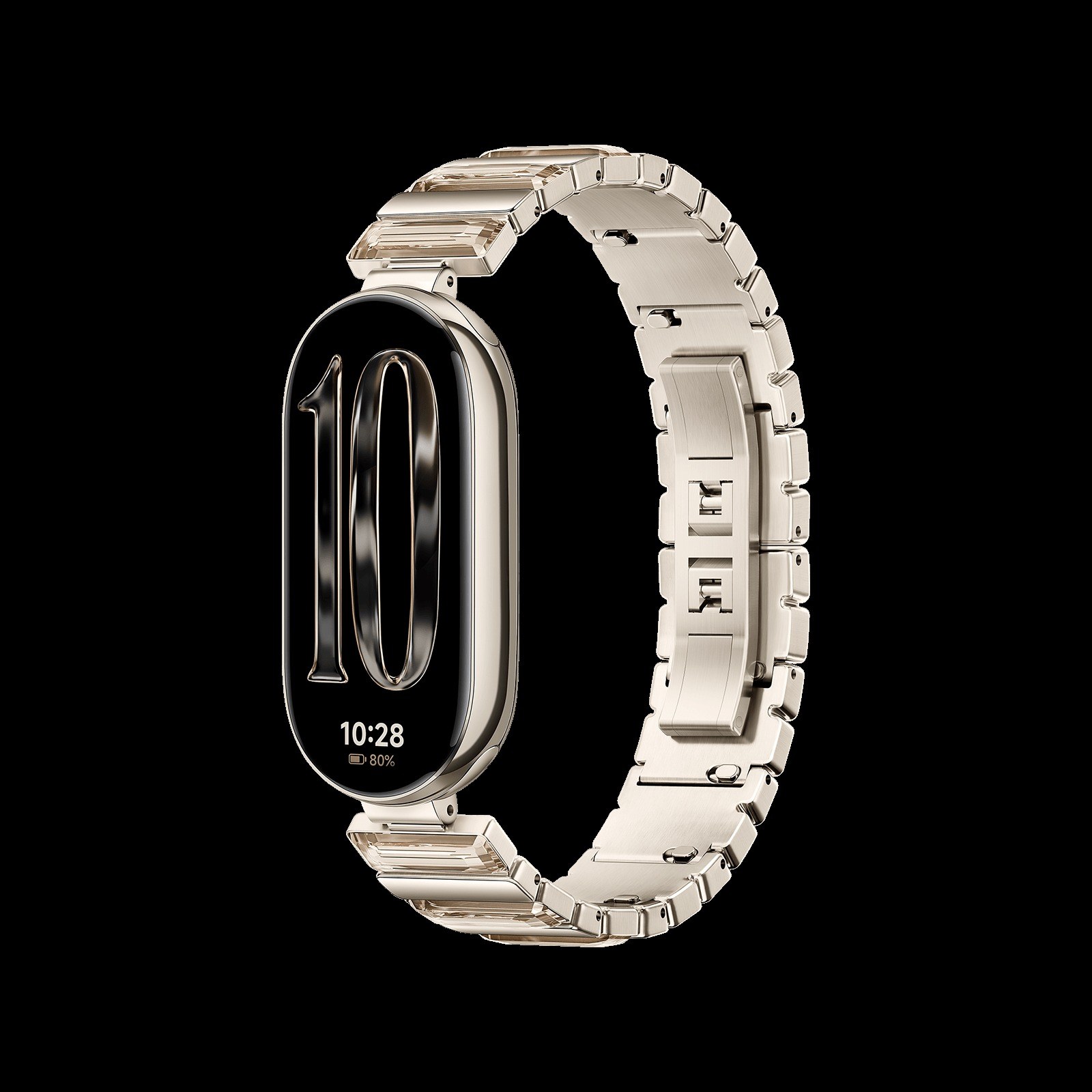
For $49.90 you get a 1.72-inch AMOLED screen, 21 days of battery in typical use, water resistance rated to 50 metres, more than 150 sport modes, and all-day heart rate, blood oxygen and sleep tracking. Nothing on this page comes closer to free. One note on the photo: the metal strap is an accessory, and Xiaomi says plainly that “other straps must be purchased separately.”
The catch: Xiaomi did not name the United States among the launch markets, so American buyers are purchasing imported global-version stock with no domestic warranty channel. If that trade sounds bad, the Fitbit Air below is the officially supported version of the same idea for twice the money.
Buy it if: you want step, heart rate and sleep numbers on your wrist for the price of a nice dinner, and you will never think about it again.
Google Fitbit Air, $99.99: the best tracker under $100

A screenless band at $99.99 that tracks like the expensive subscription straps but does not bill like one. Google claims up to a week of battery, and five minutes on the charger returns a full day of power. The sensor list is deep for the money: 24/7 heart rate, AFib alerts, blood oxygen, resting heart rate, heart rate variability and staged sleep.
The important part: those measurements stay free. What costs money is the Gemini-built coaching layer, Google Health Premium, at $9.99 a month after a three-month trial that ships with every band. When the trial lapses, the coaching stops and the measurements keep coming. Decide in month three whether the advice is worth paying for. The data already isn’t behind a paywall.
Buy it if: you want recovery-style tracking, hate screens on your wrist, and want a US warranty behind it.
Garmin CIRQA, $199.99: subscription-free WHOOP-style tracking
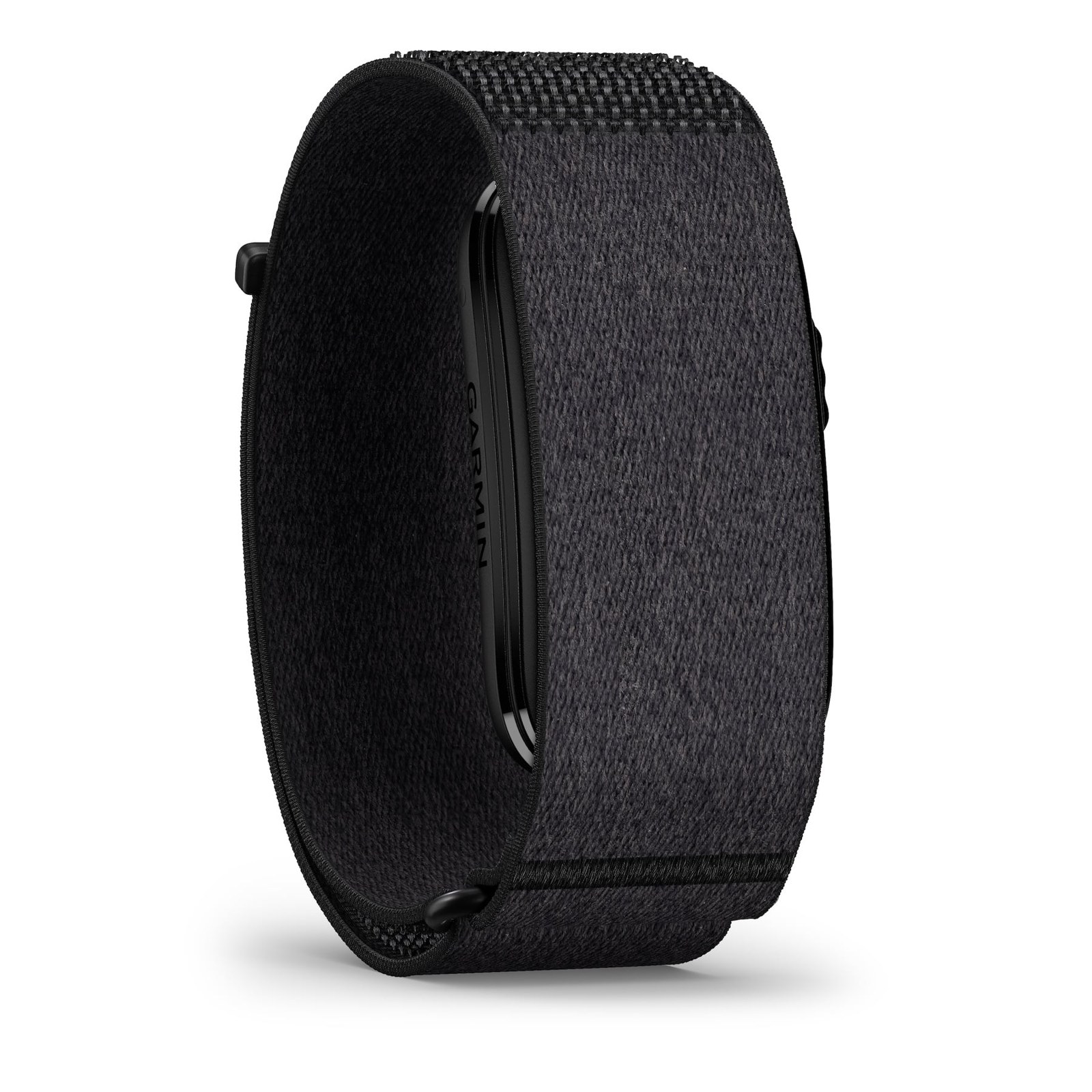
Garmin launched this screen-free band in July 2026 as a direct answer to WHOOP: wrist heart rate, Body Battery energy monitoring, Pulse Ox, stress, skin temperature, sleep, and more than 80 activities, with up to 10 days of battery, all readable in the free Garmin Connect app and, in Garmin’s own words, “all without the need for a subscription.”
The comparison against WHOOP is simple: at $199.99 once versus WHOOP One at $199 a year, the CIRQA pays for itself in twelve months and one day. Against the Fitbit Air it costs double and buys about three more days of battery.
Buy it if: you want WHOOP’s form factor and Garmin’s refusal to charge rent.
Apple Watch SE 3, $249: the default for iPhone owners
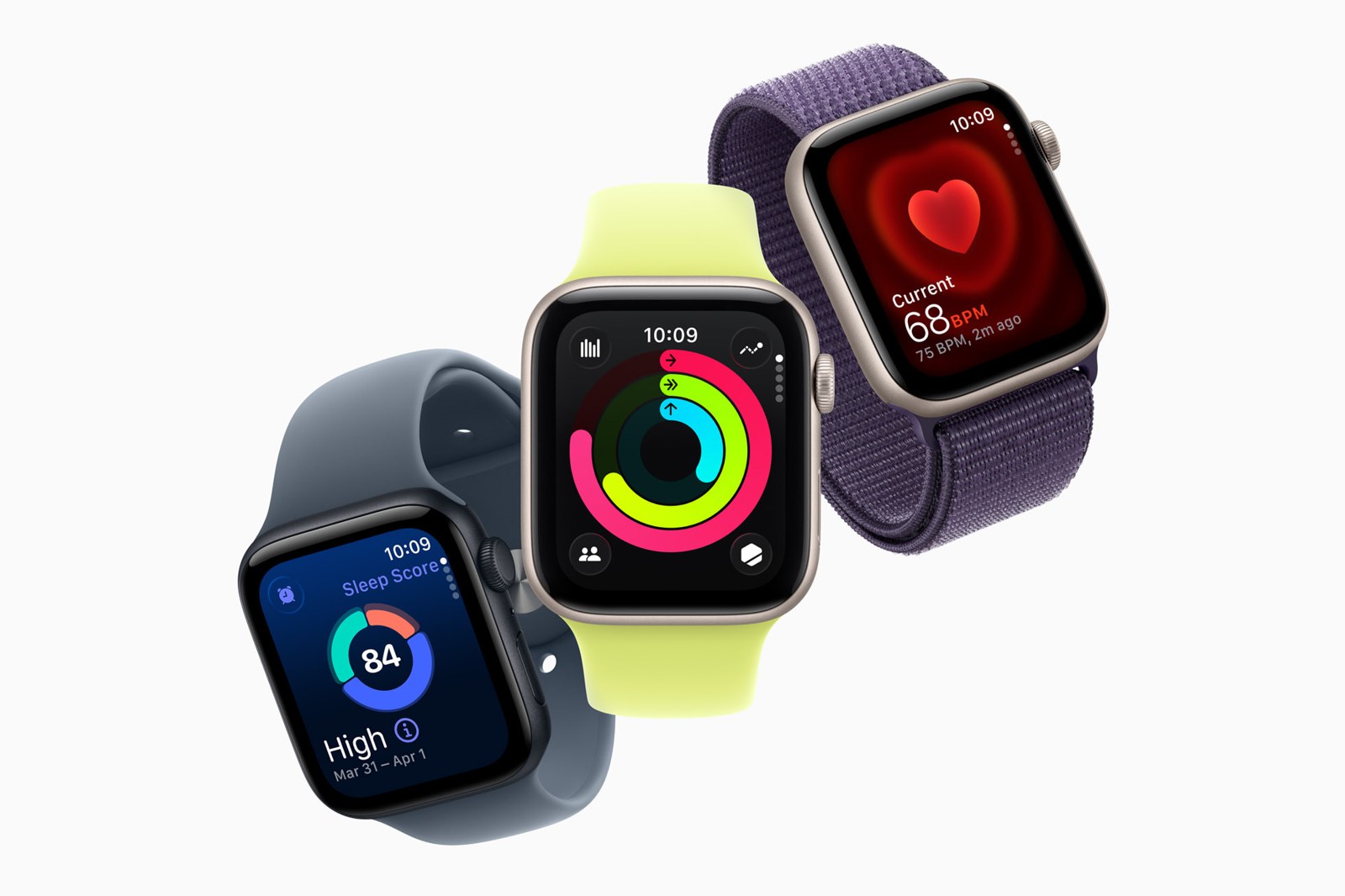
If there is an iPhone in your pocket, this is the one, for a boring reason: it is the cheapest way into the ecosystem where the safety features live. Apple lists the SE 3 from $249, with wrist temperature sensing, a sleep score, high and low heart rate notifications, irregular rhythm notifications, sleep apnea notifications, and Crash Detection and Fall Detection. The $229 figure floating around retail coverage is Apple’s education price, so budget $249 unless you hold a student or staff ID.
The honest catch is battery: up to 18 hours, or 32 in Low Power Mode. A watch that charges nightly is a watch that is not measuring your sleep, and sleep is the metric most buyers say they want. If sleep data is your main goal, buy a ring or a band instead.
Timing note: Apple’s September 9, 2026 event brought the Apple Watch Series 12, which “starts at $399 (U.S.),” and the Ultra 4 at $799, and no new SE, exactly as Bloomberg’s Mark Gurman had reported. The SE 3 stays the pick at $249; anyone who waited for the event to buy one gained nothing but the delay.
Buy it if: you own an iPhone and want fitness tracking plus a device that can call for help.
Garmin vivoactive 6, $299.99: the GPS watch with no monthly fee
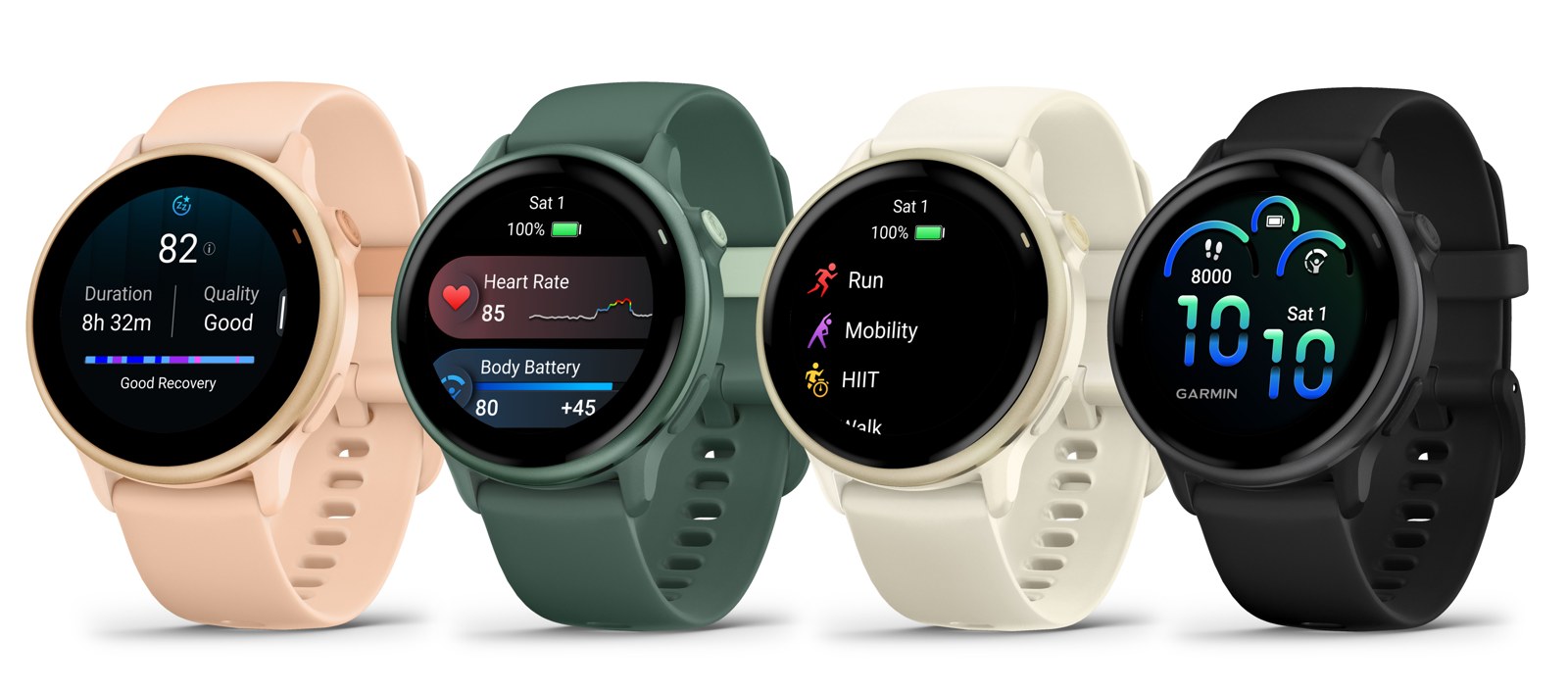
The answer for anyone who wants a real watch, real mapped GPS runs, and no monthly anything. Garmin lists it at $299.99 with up to 11 days of battery life. Eleven days is the number that matters: it is the difference between a watch you wear to bed and a watch that spends every night on a charging puck.
Garmin does sell an optional subscription, Connect+, but it launched with an explicit promise that “all existing features and data in Garmin Connect will remain free,” and that promise has held.
Buy it if: you run, ride or hike, you use Android or iPhone equally happily, and you want battery life a smartwatch normally cannot give you.
Oura Ring, from $349: the sleep specialist (check the generation first)
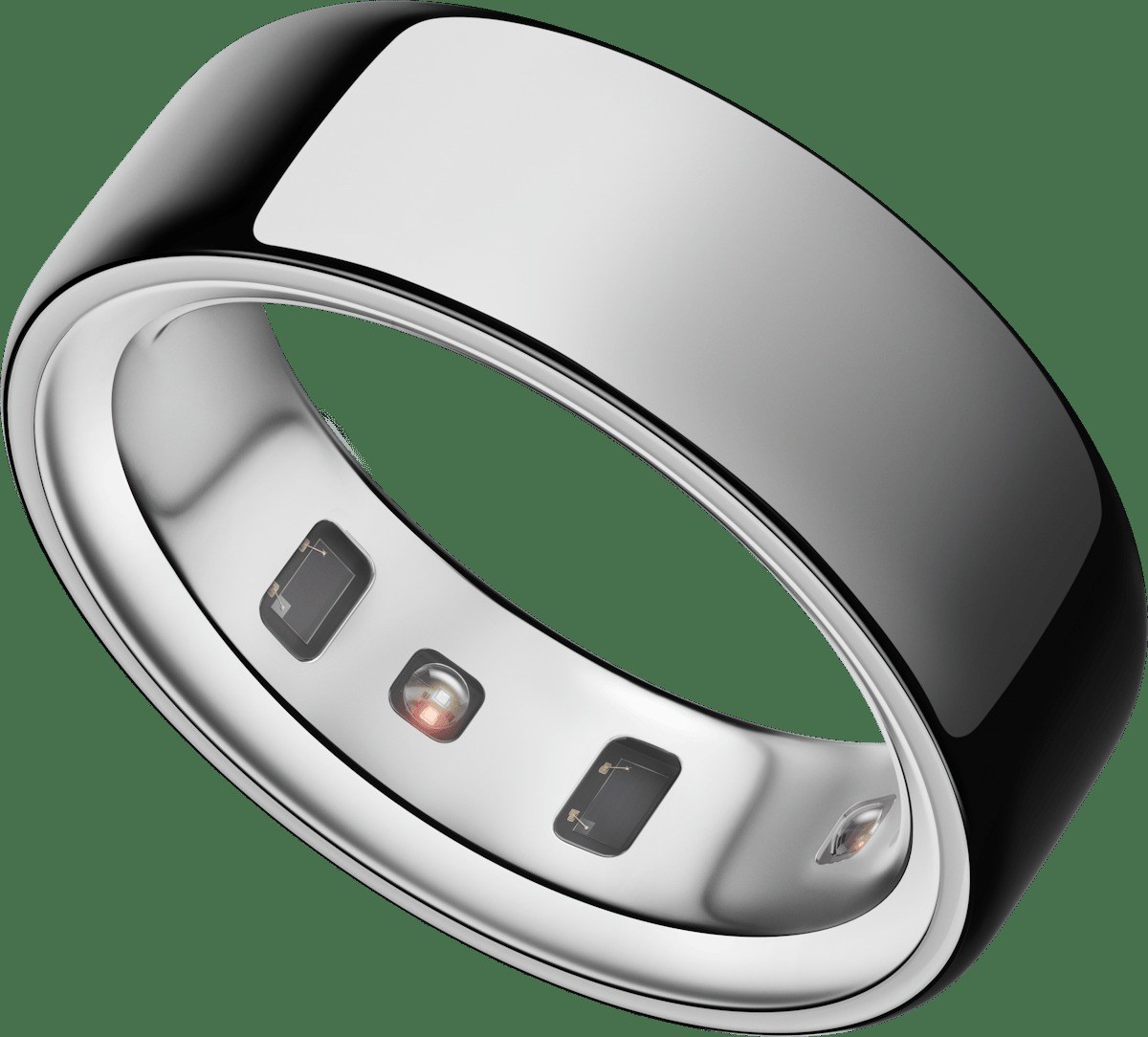
Check the generation before you buy, because this pick moved recently. Oura announced the Ring 5 in May 2026 at $399 in black and silver ($499 in other finishes), 40 percent smaller than the Ring 4, with six to nine days of battery against the Ring 4’s five to eight. Oura’s own store still sells the outgoing Ring 4 from $349, and saving $50 on last year’s ring is a reasonable trade unless the thinner body is the thing you want.
The sleep reputation rests on evidence, with one caveat about which hardware was tested. In a hospital study that compared three consumer devices against clinical sleep-lab equipment, the Oura Ring (Gen3 hardware) matched the lab reading more closely than an Apple Watch Series 8 or a Fitbit Sense 2, and the researchers reported it “was not different” from the lab standard on wake, light, deep or REM sleep. Two generations have shipped since that test, so treat it as evidence about Oura’s approach, not a measurement of the ring you would receive.
Now the bill. Oura Membership costs $5.99 a month or $69.99 a year, and without it the app shows you very little, which is why this guide counts it as mandatory. Three years lands at $558.97 on a Ring 4 and $608.97 on a Ring 5. Also know that Oura’s warranty lists “Consumable parts, including batteries” as not covered, and the battery is sealed inside the ring with no replacement path.
The counter-pick: Samsung’s Galaxy Ring charges no membership and is listed from $299.99 on Samsung’s own store. If the subscription is what is stopping you, compare against that.
Buy it if: sleep and recovery are the entire reason you are shopping, and you have priced the membership honestly.
WHOOP, from $199 a year: the best analysis, if you accept the bill

View the WHOOP One bundle on Amazon
WHOOP is sold as a membership with the hardware included, in three tiers: One at $199 a year, Peak at $239, and Life at $359, each shipping a screenless strap with 14-plus days of battery. What you are paying for is the analysis, and it is the best in this guide at turning raw signals into a daily instruction. The membership also includes a lifetime warranty covering a defective sensor or battery for as long as you stay subscribed. That matters, because every sealed band and ring on this page has a battery that eventually dies; WHOOP’s bill covers that failure, and an owned device’s usually doesn’t.
Two things to know before subscribing. When WHOOP launched new hardware in May 2025, some members had to extend their subscriptions by 12 months or pay a $49 fee to upgrade, despite the company’s site having said six-month members would get free upgrades; WHOOP acknowledged the error and revised the policy under pressure. And Amazon sells WHOOP as a bundle that adds a wristband to the twelve-month membership, so the first-year outlay through that route is higher than subscribing directly. Compare both before you commit.
Buy it if: you train seriously enough that a daily readiness verdict changes what you do, and the three-year total reads as a coaching budget rather than a gadget budget.
Garmin vivofit jr. 3, $89.99: the one for kids
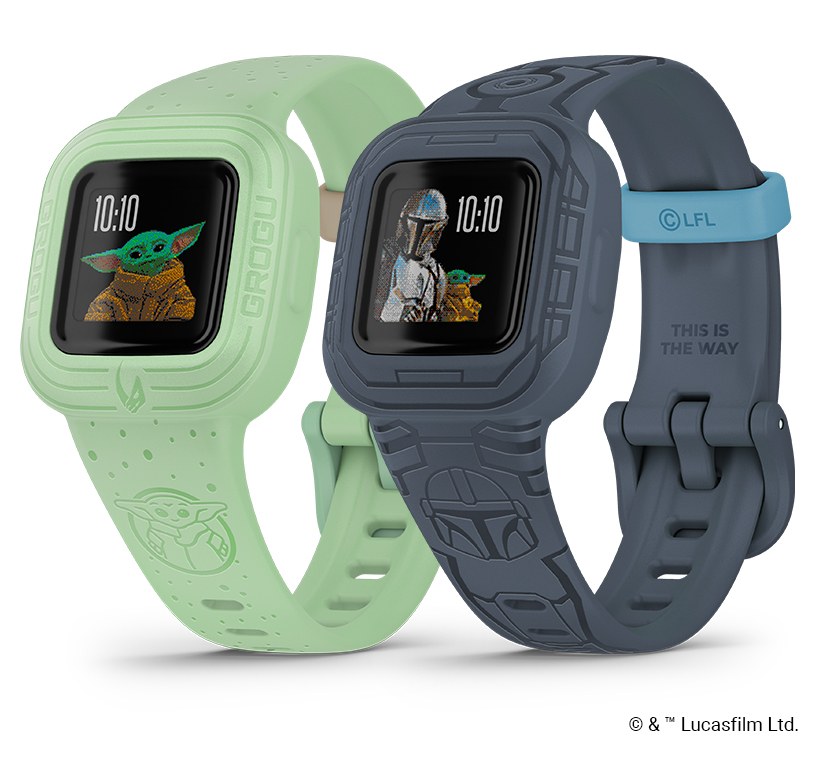
The kids’ aisle hides a fork in the road: a simple tracker costs $89.99 once, while a kids’ smartwatch that makes calls needs a monthly cellular plan. Decide which product you are shopping for before you compare prices. The vivofit jr. 3 is the no-bill version, and it sidesteps the thing that kills kids’ wearables: charging. It runs on a user-replaceable coin cell rated for up to a year and carries a 50-metre water rating. Parents get activity, sleep and chore data in an app, and chores can pay out virtual coins that kids redeem for agreed-upon rewards.
Buy it if: you want a child to see their own activity without handing them a screen, a data plan, or a monthly bill.
Band, watch, or ring? Pick by battery
One number predicts satisfaction more than any sensor: how many days the device runs between charges. Sleep scores are the headline feature of nearly every current tracker, and they require the device to be on your body at 3 a.m. A full smartwatch like the Apple Watch SE 3 runs up to 18 hours, or 32 in Low Power Mode, so it charges at some point every day, and if that habit lands at bedtime, you have paid for a sleep tracker that sleeps on a nightstand. Bands and rings run five days to three weeks, so charging never collides with sleeping.
So the choice sorts itself. Buy a watch when you specifically want mapped GPS runs, notifications, or fall detection, and accept daily charging as the price. Buy a band or ring for everything else. And if what you want is a full smartwatch rather than a tracker, Google’s Pixel Watch 5, listed from $399.99, is the obvious Android answer; it sits outside this guide on both price and purpose.
Who charges you for what
The phrase “optional subscription” hides four very different deals, so this is the plain version. Garmin charges for nothing: measurements and analysis are free, and its paid tier adds extras. Google charges for advice only: Fitbit Air measurements stay free, and $9.99 a month buys the coaching. Oura charges to see your own measurements, which is why its membership is effectively mandatory. WHOOP charges for everything and throws the hardware in.
The useful test before buying any tracker: find out what the app still shows after you stop paying.
What these things measure well, and the number to ignore
Heart rate: good. The Stanford-led study that remains the reference point put seven wrist devices against clinical monitors and found six of the seven kept median heart rate error below 5 percent during cycling. The study dates from 2017, but later research keeps reproducing its shape: heart rate tracking on the wrist basically works, and movement is what degrades it.
Calories: ignore them. In the same study, no device kept calorie-burn error below 20 percent, and the worst was off by 92.6 percent. Eating back the calories your tracker says you burned is budgeting against a number that can be wrong by a factor of two. Every tracker here reports one. None of them does it well.
Skin tone: unsettled. The Stanford paper reported higher error with darker skin tone; a later study built specifically to test the question, with participants spread across the full skin-tone scale, found skin tone “did not impact measurement error.” Both papers agree movement matters far more. If precise readings matter to you medically, a chest strap remains the conservative choice.
Frequently asked questions
Which fitness tracker has no subscription?
The Garmin CIRQA at $199.99. It launched in July 2026 with wrist heart rate, Body Battery, Pulse Ox, stress, skin temperature, sleep, and more than 80 activities, up to 10 days of battery, all in the free Garmin Connect app and, in Garmin’s words, “all without the need for a subscription.” For a watch instead of a band, the Garmin vivoactive 6 at $299.99 runs up to 11 days, and Garmin’s paid Connect+ tier launched with the promise that “all existing features and data in Garmin Connect will remain free.”
What is the best fitness tracker under $100?
The Google Fitbit Air at $99.99: a screenless band with 24/7 heart rate, AFib alerts, blood oxygen, heart rate variability and staged sleep, and those measurements stay free. Only the Google Health Premium coaching costs money, at $9.99 a month after a three-month trial. Cheaper still is the Xiaomi Smart Band 10 at $49.90, but Xiaomi did not name the United States among its launch markets, so US buyers get imported stock with no domestic warranty channel.
Does the Oura Ring need a subscription?
In practice, yes. Oura Membership costs $5.99 a month or $69.99 a year, and without it the app shows you very little. That puts the three-year total at $558.97 on the outgoing Ring 4 (from $349) and $608.97 on the Ring 5 (from $399). The subscription-free alternative is Samsung’s Galaxy Ring, listed from $299.99 on Samsung’s own store.
How much does WHOOP cost per year?
WHOOP is sold as a membership with the strap included: One at $199 a year, Peak at $239, and Life at $359, each with 14-plus days of battery and a lifetime warranty on a defective sensor or battery for as long as you stay subscribed. Over three years that is $597, $717 or $1,077, and three years of WHOOP Life costs more than an Apple Watch SE 3, a Garmin vivoactive 6, a Garmin CIRQA and a Xiaomi Smart Band 10 bought together.
Is a fitness tracker or a smartwatch better for sleep?
A band or ring. The Apple Watch SE 3 runs up to 18 hours, or 32 in Low Power Mode, so it charges every day, and a watch on the nightstand at bedtime is not measuring your sleep. Bands and rings run five days to three weeks, so charging never collides with sleeping. Buy a watch when you specifically want mapped GPS runs, notifications, or fall detection.
Are fitness tracker calorie counts accurate?
No. In the Stanford-led study that remains the reference point, no wrist device kept calorie-burn error below 20 percent, and the worst was off by 92.6 percent, while six of the seven devices kept median heart rate error below 5 percent during cycling. Trust the heart rate, ignore the calories, and do not eat back what the tracker says you burned.
The short version
Most people should buy the Fitbit Air or the CIRQA, wear it for three years, and never think about a bill. Runners and cyclists should buy the vivoactive 6 for its eleven-day battery. iPhone owners who want safety features should buy the SE 3, and sleep obsessives should buy a ring after pricing the membership honestly. Whatever you pick, work out the three-year number before you check out, not after.
Still not sure you want any of this? The smartwatch pros and cons breakdown argues the should-you-buy-anything case. And if what you wanted to track was your keys, see the Apple Find My tracker roundup.
Sources (26)
- mi.com Xiaomi: Smart Band 10 official product page
- mi.com Xiaomi: Smart Band 11 Active official product page
- androidauthority.com Xiaomi launches cut-price Smart Band 10 in global markets
- blog.google Google Blog: Introducing the new Google Fitbit Air
- store.google.com Google Store: Google Fitbit Air
- store.google.com Google Store: Google Health Premium
- store.google.com Google Store: Pixel Watch 5
- apple.com Apple Newsroom: Introducing Apple Watch Series 12
- apple.com Apple Newsroom: Apple unveils Apple Watch Ultra 4
- 9to5mac.com Apple Watch Series 12 and Ultra 4, what to expect
- garmin.com Garmin Newsroom: CIRQA Smart Band press release
- garmin.com Garmin Newsroom: vivoactive 6 press release
- garmin.com Garmin Newsroom: vivofit jr. 3 press release
- www8.garmin.com Garmin: vivofit jr. 3 owner's manual specifications
- apple.com Apple Watch SE 3
- ouraring.com Oura Store: Oura Ring 4
- techcrunch.com Oura unveils its Ring 5 with a thinner, lighter design starting at $399
- garmin.com Garmin Newsroom: Garmin Connect+ press release
- support.ouraring.com Oura Support: Oura Membership
- support.ouraring.com Oura Member Care: Warranty FAQs
- whoop.com Membership options and pricing
- techcrunch.com Whoop faces unhappy customers over upgrade policy
- samsung.com Galaxy Ring
- mdpi.com Journal of Personalized Medicine: Shcherbina et al. wrist wearable accuracy study
- nature.com npj Digital Medicine: Bent et al. sources of inaccuracy in optical heart rate sensors
- mdpi.com Sensors: accuracy of three commercial wearables for sleep tracking



🦋 Discussion on Bluesky
Discuss on Bluesky